


Common Homeowner Questions Answered: Preparing Central Texas Pipes for Sudden Freezes
Why we prioritize early pipe protection. Have common homeowner questions answered about sudden freezes and decide with confidence when to call a professional.
Responsible Master Plumber · TX Master Plumber License M-41984
November Pre-Winter Readiness: Protecting Your Plumbing from Sudden Freezes
With November pre-winter readiness officially underway, getting your common homeowner questions answered right now is the best way to protect your property before the first sudden freeze hits. Here at Plumbing Outfitters, our team typically sees Central Texas weather act notoriously unpredictable during the late fall and early winter months. You might experience a comfortable, mild afternoon that suddenly plummets into freezing temperatures overnight. This rapid shift catches many property owners off guard, leaving exposed outdoor pipes, hose bibs, and exterior water heaters highly vulnerable to severe damage.
The core challenge during these sudden temperature drops is knowing exactly what to do beforehand. You face an important decision point: determining which winterization tasks are safe and effective for you to handle on your own, and which complex systems require the attention of a licensed expert. General bathroom plumbing is a frequent area of concern, especially when those pipes run along uninsulated exterior walls that bear the brunt of the cold north wind. Taking action now prevents minor oversights from turning into major structural damage.
If you need immediate assistance or want to schedule a comprehensive pre-season inspection, learn more about our bathroom plumbing solutions to ensure your home is fully prepared for whatever the winter weather brings.
Why Do Exposed Pipes Burst During Overnight Temperature Drops?
Understanding the physics behind freezing pipes helps explain why even a short cold snap can cause so much destruction. In our years of repairing burst pipes in Taylor TX and surrounding Central Texas communities, we've seen firsthand how quickly ice can devastate a residential plumbing system. When the ambient temperature drops, the water resting inside your exposed plumbing lines begins to cool. If the water freezes, it undergoes a physical change that is incredibly destructive to enclosed spaces.
Here is exactly what happens inside your system during a freeze:
- The expansion factor: Water expands by approximately 9% when it turns into ice. This expansion creates immense internal pressure within the pipe.
- Material vulnerability: It is a common misconception that only older pipes burst. The outward pressure of expanding ice is capable of bursting solid copper, rigid PVC, and even flexible PEX piping. No material is entirely immune to the physics of freezing water.
- The temperature threshold: The general alert level for pipe freezing is 20 degrees Fahrenheit. However, this is not a hard rule. Exposed pipes subjected to high winds can freeze at higher ambient temperatures due to the wind chill factor stripping away residual heat.
- The pressure point: Interestingly, pipes do not always burst exactly where the ice block forms. The expanding ice pushes the remaining liquid water toward closed faucets, causing a massive pressure spike that typically ruptures the pipe somewhere between the ice blockage and the fixture.
Sustained Deep Freezes vs. Sudden Drops
Central Texas experiences a unique climate pattern compared to northern regions. As local plumbers, we know that instead of weeks of sustained deep freezes, our area is prone to sudden, short-lived overnight temperature drops. This specific weather behavior creates distinct challenges for residential plumbing.
| Weather Factor | Sustained Northern Freezes | Central Texas Sudden Drops |
|---|---|---|
| Home Construction | Built with thick insulation and interior pipe routing. | Often features exterior routing, crawl spaces, and thinner wall insulation. |
| Warning Time | Days or weeks of gradual temperature decline. | Temperatures can drop 40 degrees in a matter of hours. |
| Primary Vulnerability | Prolonged exposure freezing even buried utility lines. | Exposed hose bibs, exterior water heaters, and attic lines freezing overnight. |
| Thawing Risk | Slow, controlled thawing as seasons change. | Rapid morning thawing, leading to immediate and severe flooding from unnoticed overnight bursts. |
Common Homeowner Questions Answered: Safe DIY Freeze Prevention
When November pre-winter readiness is your priority, there are several preventative maintenance steps you can safely complete without a professional license. These straightforward DIY tasks form your first line of defense against sudden overnight drops.
Your Pre-Freeze Prevention Checklist
- Disconnect all outdoor hoses: Leaving a garden hose attached to an exterior bib traps water inside the fixture. When that water freezes, it expands directly into the valve body, often cracking the pipe just inside the wall. Always unscrew hoses and drain them before storing.
- Install exterior foam covers: Purchase insulated foam covers for all exterior hose bibs. These covers trap the ambient heat radiating from your home's exterior walls, providing a basic but highly effective layer of insulation against overnight frost. Ensure the cover is pulled tight against the siding to prevent cold air from slipping behind it.
- Drip your indoor faucets: When a freeze is imminent, allow a very slow drip from your faucets, particularly those located on exterior walls. The goal is not just to keep water moving, but to relieve the internal system pressure. If an ice blockage does begin to form, the open faucet gives the expanding water a place to go, preventing a rupture.
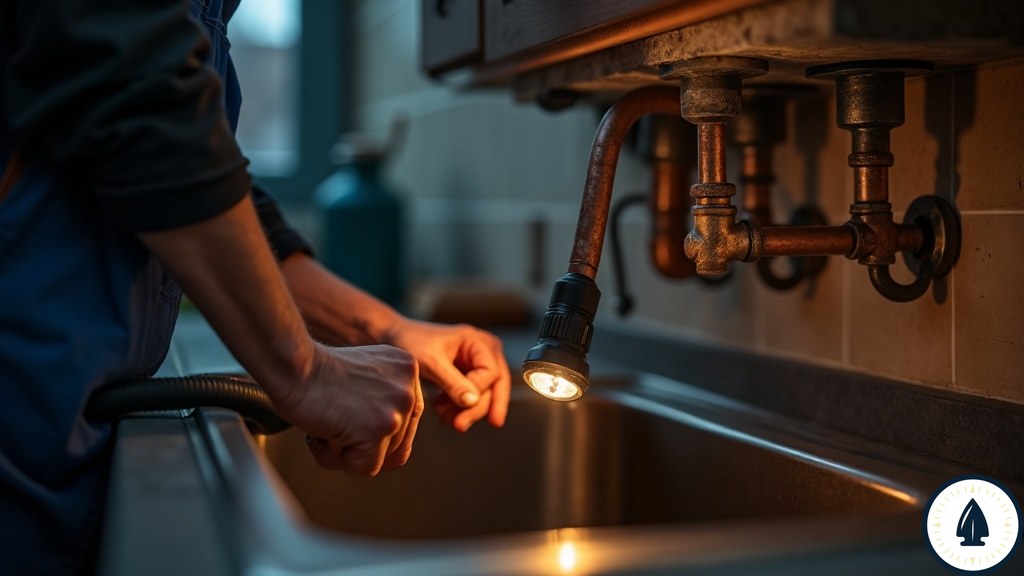
- Open under-sink cabinet doors: The plumbing under your kitchen and bathroom sinks is often shielded from your home's heating system by heavy wooden cabinet doors. Opening these doors allows warm indoor air to circulate around the hidden pipes, keeping their ambient temperature well above freezing.
- Address existing drips early: Fix any minor leaks before the cold sets in. Stressed systems fail faster, and ignoring common bathroom sink problems can compound into major water damage when the plumbing is further strained by freezing temperatures.

Vulnerable Danger Zones: Exterior Walls and Uninsulated Attics
Many older homes in Taylor TX and surrounding Central Texas communities feature architectural quirks that make them particularly susceptible to sudden temperature drops. In our experience working on historic and mid-century properties throughout the area, we frequently find that because the region historically prioritized cooling over heating, builders often routed plumbing through areas that receive little to no climate control.
Uninsulated exterior walls are a primary danger zone. When plumbing lines run along the outer perimeter of a house, they are separated from the freezing outdoor air by only a thin layer of siding and drywall. As the wind picks up during a cold front, it strips away the heat radiating from the house, causing the temperature inside the wall cavity to plummet rapidly. Kitchen sinks and washing machine hookups are frequently located on these exterior walls.
Uninsulated attics and crawl spaces present an even greater risk. In many pier-and-beam homes, or houses with overhead water distribution, the pipes are fully exposed to the ambient outdoor temperature. An attic might feel warm during a summer day, but during a sudden winter freeze, it offers almost no protection. The cold air circulates freely around the exposed copper or PEX lines, freezing the standing water inside them in a matter of hours.
If you live in an older home and are unsure about the insulation status of these hidden zones, scheduling professional bathroom plumbing services for a pre-winter inspection is a smart preventative measure. An expert can assess your specific vulnerabilities and recommend targeted insulation or rerouting before the holiday season arrives.
When to Leave Winterization to a Licensed Professional
While foam covers and dripping faucets are safe DIY tasks, certain winterization procedures cross the line into complex, licensed work. Attempting to DIY these systems often leads to severe mechanical failure, voided warranties, and significant property damage.
The Problem with Exterior Tankless Water Heaters
Many homes in Central Texas utilize exterior tankless water heaters to save interior space. Because these units are mounted directly on the outside wall, they are fully exposed to the elements. The problem arises when homeowners attempt to winterize these complex systems themselves. Every winter, our technicians respond to calls where someone tried to protect their unit by simply unplugging it or shutting off the water supply—often with disastrous results.
The Cause of DIY Failures
Tankless water heaters contain intricate internal heat exchangers made of thin metal tubing. Even if you turn off the main water supply, residual water remains trapped inside these internal coils. If the unit is unplugged, its built-in anti-freeze heating elements cannot activate. The trapped water freezes, expands, and completely shatters the internal heat exchanger. Furthermore, properly draining these systems often requires specialized compressed air tools and a deep understanding of isolation valves. Mistakes during this process not only destroy the unit but will instantly void the manufacturer's warranty.
The Professional Solution
Proper winterization of complex systems requires a thorough diagnostic check that untrained individuals simply cannot perform. Draining exterior water heaters, winterizing irrigation mainlines, and servicing backflow preventers require professional licensing to ensure safety and strict code compliance. A licensed expert knows exactly how to clear residual water without damaging sensitive internal components. For your November pre-winter readiness plan, always leave these high-stakes systems to the professionals.
What is the First Thing to Do If a Pipe Freezes?
Even with the best preventative measures, extreme weather in Taylor TX and surrounding Central Texas communities can sometimes overwhelm a home's defenses. When our dispatch team fields frantic morning calls during a freeze, we always start with the same critical steps. If you wake up to a freezing morning and turn on a faucet only to find a slow trickle—or no water at all—you likely have a frozen pipe. How you respond in the first few minutes is critical to minimizing property damage.
- Locate and turn off the main water shut-off valve immediately. This is the single most important step you can take. When water freezes, the pipe often cracks. However, you will not see the leak because the ice is acting as a temporary plug. The moment that ice thaws, full city water pressure will rush through the cracked pipe, flooding your home. Shutting off the main valve prevents this catastrophic flooding before it can start.
- Open the affected faucets. Leave both the hot and cold handles open. As the frozen area begins to melt, the water needs an escape route. An open faucet relieves the built-up pressure and allows the melting ice to drain safely into the sink.
- Never use open flames to thaw a pipe. Do not use blowtorches, propane heaters, or any extreme heat sources. Applying rapid, intense heat to a frozen pipe can cause the water inside to boil and expand violently, bursting the pipe instantly. It also presents a massive fire hazard, especially in enclosed wall cavities or attics.
- Call a licensed professional immediately. Once the water is shut off, bring in an expert to assess the situation. When you call Plumbing Outfitters for help, you benefit from our fast, reliable dispatch and thorough diagnostic process to clear underlying vulnerabilities and prevent recurring issues. A professional can safely locate the blockage, assess the structural integrity of the pipe, and perform necessary repairs before restoring the water pressure.
Frequently Asked Questions About Central Texas Winter Plumbing
At what temperature do pipes freeze in Texas?
The general danger threshold for freezing pipes is 20 degrees Fahrenheit. However, exposed outdoor plumbing, hose bibs, and pipes located in uninsulated spaces can freeze at higher ambient temperatures, especially when subjected to harsh wind chill factors that rapidly strip away residual heat.
At what temperature should I drip my faucets in Texas?
You should begin dripping your faucets when local weather forecasts predict temperatures dropping below 28 degrees Fahrenheit. Allowing a slow, steady drip keeps a small amount of water moving, but more importantly, it relieves the internal pressure that causes pipes to rupture.
How do you prepare outdoor plumbing for a sudden freeze?
Start by disconnecting and draining all garden hoses to prevent water from backing up into the wall. Next, install insulated foam covers securely over every exterior hose bib. For complex outdoor systems like tankless water heaters, always rely on professional help for proper winterization.
Can I winterize my tankless water heater myself?
No, you should never attempt to drain or winterize a tankless water heater yourself. These complex systems contain delicate internal heat exchangers that hold residual water. Improper draining can lead to shattered internal components during a freeze, which will immediately void the manufacturer's warranty.
When should you call a licensed plumber for winterization?
Call a licensed professional when dealing with complex systems like exterior water heaters, backflow preventers, or irrigation mainlines. Additionally, older homes with plumbing routed through uninsulated attics or crawl spaces benefit greatly from professional pre-winter inspections to identify hidden vulnerabilities.
Why do exposed pipes burst during overnight temperature drops?
Exposed pipes burst because water expands by approximately 9% when it turns into ice. This rapid expansion creates immense internal pressure that pushes against the remaining liquid water. This pressure spike is strong enough to rupture copper, PVC, and PEX piping.
Ensure Your Plumbing is Ready for the Winter Weather
Understanding the actual risks of sudden overnight temperature drops is the first step in protecting your property. By learning how water expands, identifying your home's vulnerable danger zones, and knowing which preventative tasks are safe to tackle yourself, you can avoid the stress and expense of burst pipes. Proactive November pre-winter readiness ensures that your home in Taylor TX and surrounding Central Texas communities remains safe, dry, and comfortable long before holiday guests begin to arrive.
While DIY steps like hose bib covers and dripping faucets are highly effective, complex systems and older architectural designs require an expert eye. A straightforward, actionable technical explanation of your system's specific needs can save you from catastrophic leaks. For a thorough pre-winter diagnostic, explore our bathroom plumbing services in Taylor to keep your system safe and secure all season long.
Ready to find your way out of plumbing trouble?
Call the Outfitters or request service online — a real team member will guide you through the next steps. No dispatch fee, free estimates, same-day service across Taylor, TX and beyond.