


Identifying Cold Drafts Near Plumbing Walls: Why Insulation Isn't Enough for Older Homes
Foam pipe wraps fail if freezing air hits the wall cavity. Get clear answers on identifying cold drafts near plumbing walls before winter freezes strike.
Responsible Master Plumber · TX Master Plumber License M-41984
The Hidden Winter Threat Behind Your Bathroom Cabinets
As November pre-winter temperature drops begin to chill the Central Texas air, the critical window to protect your home from sudden freezes is officially open. Many homeowners rush to buy foam tubes, assuming a quick layer of insulation will keep their system safe. However, simply wrapping exposed pipes provides a false sense of security. The real secret to effective winterization lies in identifying cold drafts near plumbing walls before the first severe freeze hits.
The core issue is that freezing air drafts easily bypass standard foam wraps. When icy air blows directly into an unsealed wall cavity, it neutralizes the insulation's ability to retain heat. Recognizing that wrapping the pipe is only half the battle is the first step toward true protection. The actual fix requires deciding to locate and address the hidden wall drafts behind your cabinets before winter arrives in full force.
When you are securing your bathroom plumbing for the season, addressing the hidden wall draft behind the cabinet is the actual fix, not just the insulation itself. Proper winterization requires root-cause diagnostics to ensure the environment around the pipe is just as protected as the pipe itself.
The Physics of Freezing Pipes in Central Texas
To understand why pipes freeze despite being wrapped, you have to look at the building envelope. Air leaks account for a significant portion of a home's heat loss. When exterior air penetrates the siding or foundation, it creates localized freezing zones inside the wall cavities. These zones act like micro-climates where the temperature drops significantly lower than the rest of the house.
Standard foam insulation is designed to slow heat transfer. It works perfectly in a still environment by trapping the ambient heat radiating from the water inside the pipe. However, foam cannot stop active, below-freezing exterior drafts blowing directly onto the plumbing. When the sudden nature of Texas freezes catches these unsealed wall cavities off guard, the resulting wind chill inside the wall easily overwhelms the foam's thermal resistance.
The air inside the wall cavity must be neutralized to give the pipe insulation a fighting chance. If the draft continues to flow, the pipe will eventually reach the freezing point, regardless of how thick the foam wrap is.
How Convective Cooling Defeats Foam Wraps
Convective cooling is the scientific term for what most people call "wind chill." When cold air is actively moving, it strips heat away from surfaces much faster than still cold air. Think of it like blowing on a hot cup of coffee to cool it down quickly.
If you have below-freezing exterior drafts moving through a wall cavity, that moving air constantly washes over the pipe. The active air current pulls heat away from the foam wrap at an accelerated rate. This is why a pipe in a drafty wall freezes much faster than a bare pipe sitting in a still, unheated room. The continuous movement of cold air defeats the static protection of the insulation.

Why Historic and Older Properties Face Higher Freezing Risks
Central Texas has a rich architectural history, but those historical building practices pose unique challenges during modern winter storms. Older homes in Taylor TX and the surrounding areas were historically built for heat dissipation rather than heat retention. Before the era of central air conditioning, homes needed to breathe to survive the sweltering summers.
Because of this design philosophy, exterior plumbing walls in these historic homes are often under-insulated or completely lack modern vapor barriers. The walls were meant to allow air exchange. Over decades, the natural settling of pier-and-beam or slab foundations creates micro-cracks and gaps. These shifts in the framing allow exterior air to easily penetrate the building envelope, turning a wall cavity into a wind tunnel during a winter storm.
Whether you live in a heritage property or you are scheduling Round Rock plumbing services for a mid-century build, these architectural realities directly connect to an increased risk of sudden pipe failures. The lack of structural insulation makes proactive draft assessment critical.
The Exterior Wall Vulnerability
Pipes routed through exterior walls are almost always the first to freeze. In an older home, the exterior wall has the least amount of radiant heat reaching it from the home's interior heating system. The drywall acts as a barrier, keeping the warmth inside the living space and leaving the wall cavity completely exposed to the outdoor temperatures.
Without adequate heavy insulation inside that specific cavity, the plumbing is left defenseless against sudden temperature plummets. Recognizing this vulnerability is why homeowners with older properties must prioritize inspecting these exterior-facing layouts before winter begins.
Identifying Cold Drafts Near Plumbing Walls: Where to Look
Finding the source of below-freezing exterior drafts requires knowing exactly where the building envelope is most vulnerable. Air intrusions rarely happen in the middle of a solid sheet of drywall; they happen at the seams, joints, and penetrations. Here are the primary locations to inspect:
- Behind escutcheon plates: The metal rings that sit against the wall where the pipe exits are often purely decorative. Slide them forward to check for wide, unsealed gaps in the drywall around the pipe.
- Baseboard seams: Check the joint where the exterior wall meets the floor, especially in older pier-and-beam homes where subfloor drafts can travel upward into the wall cavity.
- Behind kitchen and bathroom vanities: Cabinets often hide large, jagged holes cut into the drywall during the original plumbing installation. These hidden voids are prime entry points for cold air.
- Where pipes enter the subfloor: In homes with crawl spaces, the area where the drain and supply lines drop through the floor is frequently left unsealed, allowing freezing air to funnel directly upward.
Under-Sink Cavities and Cabinet Voids
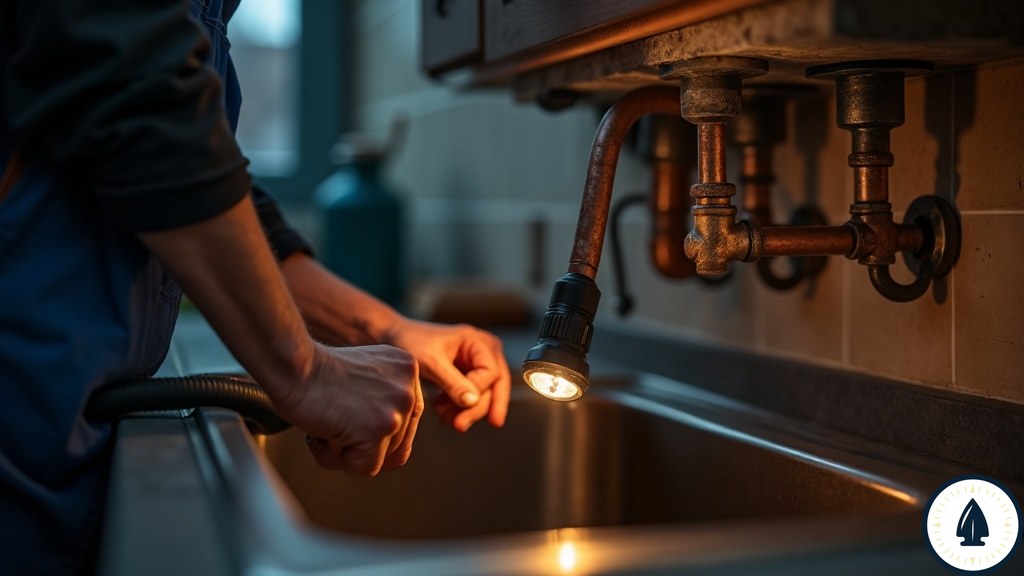
The under-sink area is a primary vulnerability point in older homes. Cabinets inadvertently act as secondary insulators, but in the wrong way. When the cabinet doors are closed, they trap cold air against the wall and block the home's central heating from reaching the pipes.
If there are unsealed pipe penetrations inside those cabinets, they become direct funnels for exterior air. The cold air pools inside the cabinet, creating a freezing micro-climate right where your supply lines connect to the fixtures. Resolving these hidden drafts is crucial, as these unsealed penetrations frequently lead to common bathroom sink problems when the water inside the valves freezes and expands.
Warning Signs of Unsealed Wall Cavities Before a Freeze
You do not have to wait for a pipe to burst to know you have a draft problem. As November pre-winter temperature drops occur, your home will start providing diagnostic clues. Paying attention to these subtle changes allows you to address the vulnerabilities proactively.
- Noticeable temperature differences: Open your under-sink cabinet doors and reach inside. If the air inside the cabinet feels drastically colder than the ambient temperature of the bathroom or kitchen, cold air is pooling from a wall draft.
- Physical air movement: On windy, cold days, place your bare hand near the escutcheon plates or where the drain pipe enters the wall. If you feel a physical breeze, the exterior wall cavity is compromised.
- Unexplained condensation: Watch for moisture buildup or sweating inside vanity cabinets during rapid temperature swings. When freezing wall air meets the warmer, humid air of a bathroom, condensation forms on the pipes and cabinet walls.
- Audible whistling: In severe cases, you may actually hear a faint whistling sound near plumbing fixtures when the wind gusts outside, indicating a direct air path from the exterior.
Conducting a Safe Visual Inspection
Homeowners can safely check for drafts by monitoring temperature fluctuations around their plumbing fixtures. Use a basic digital thermometer to compare the temperature inside an exterior-facing cabinet with an interior-facing cabinet.
Document these cold spots carefully. Before you seek Georgetown bathroom plumbing assistance, having a list of exactly which cabinets or walls feel drafty will help the technician isolate the root cause faster. Remember to check all exterior-facing plumbing fixtures, including laundry room hookups and guest bathrooms, not just the primary kitchen sink.
Professional Diagnostics vs. Superficial Pipe Wrapping
While foam insulation is a good secondary measure, it should never be treated as a standalone fix for a drafty wall. Wrapping a pipe without sealing the draft is like wearing a thick sweater in a blizzard without a windbreaker; the cold air cuts right through.
At Plumbing Outfitters, our thorough diagnostic process emphasizes looking for root causes—like hidden drafts—rather than just applying a superficial layer of insulation. Professionals assess the entire plumbing envelope. They have the tools to identify hidden intrusions behind cabinets and inside wall cavities without causing unnecessary demolition to your home.
| Feature | Superficial Pipe Wrapping (DIY) | Professional Diagnostics & Sealing |
|---|---|---|
| Primary Action | Applying foam tubes over visible pipe sections. | Locating and neutralizing exterior air intrusions. |
| Protection Level | Slows heat loss in still air. | Stops convective cooling and wind chill. |
| Scope of Assessment | Only addresses the exposed pipe under the sink. | Evaluates the entire wall cavity and building envelope. |
| Long-Term Reliability | Fails during severe, prolonged wind-driven freezes. | Provides structural protection against recurring freezes. |
| Suitability for Older Homes in Taylor TX | Insufficient due to lack of existing wall insulation. | Highly recommended to overcome architectural vulnerabilities. |
The Value of Root-Cause Plumb Diagnostics
Identifying the source of the draft prevents recurring freezes year after year. When a professional evaluates your plumbing infrastructure, they are looking at how the home's architecture interacts with the weather.
Proper diagnostics protect the long-term integrity of the home's plumbing. By stopping the cold air at the source, you protect not just the exposed pipe, but the hidden joints and fittings inside the wall that are impossible to wrap with foam. The peace of mind that comes from knowing the underlying vulnerability is fully resolved is invaluable when the winter weather reports turn grim.
Common Questions About Winter Plumbing Drafts
Why are my pipes freezing even with insulation?
Pipes freeze despite insulation when below-freezing exterior drafts blow directly into the wall cavity. Foam insulation slows down heat loss, but it cannot generate heat or stop active wind chill. If moving cold air continuously washes over the insulated pipe, convective cooling will eventually strip away all the heat, causing the water inside to freeze.
How do you find a cold draft in a wall?
You can find a cold draft by feeling for temperature differences and physical air movement around wall penetrations on windy days. Check the gaps around pipes under sinks, behind baseboards on exterior walls, and around electrical outlets. A noticeable drop in temperature in these specific spots usually indicates a breach in the exterior envelope.
How do you stop cold air from coming under the sink?
Stopping cold air under the sink requires sealing the gaps where the plumbing pipes penetrate the drywall. The most effective approach is to have a professional identify the exterior source of the draft and seal the wall cavity properly. Simply closing the cabinet doors actually traps the cold air inside, making the freezing risk worse.
Can exterior wall plumbing in older homes ever be fully freeze-proofed?
While no system is entirely invincible, exterior wall plumbing in older homes can be highly protected by combining professional draft sealing with proper insulation. By neutralizing the air movement inside the wall cavity, the plumbing is no longer subjected to extreme wind chill, drastically reducing the likelihood of a freeze.
What is the difference between general weatherstripping and plumbing wall cavity sealing?
General weatherstripping focuses on sealing the moving parts of a home, like doors and windows, to improve living space comfort. Plumbing wall cavity sealing specifically targets the hidden gaps and structural penetrations behind drywall and cabinets where exterior air directly assaults the home's water lines.
Secure Your Plumbing Infrastructure Before the Next Cold Snap
Surviving a Texas freeze in an older home requires much more than just a quick trip to the hardware store for foam wraps. As the November pre-winter temperature drops remind us, the cold weather is closing in. Identifying and neutralizing hidden wall drafts early is the only way to ensure your pipes survive the unpredictable wind chills.
Don't wait for a sudden freeze to test the limits of your home's insulation. Take the time to inspect your cabinets for drafts, understand the vulnerabilities of your specific property, and explore professional diagnostic options. By securing comprehensive plumbing services in Taylor now, you gain clear guidance on why drafts defeat standard pipe insulation, how to spot the warning signs, and the peace of mind that your plumbing infrastructure is truly winter-ready.
Ready to find your way out of plumbing trouble?
Call the Outfitters or request service online — a real team member will guide you through the next steps. No dispatch fee, free estimates, same-day service across Taylor, TX and beyond.