

Tame Central Texas Hard Water
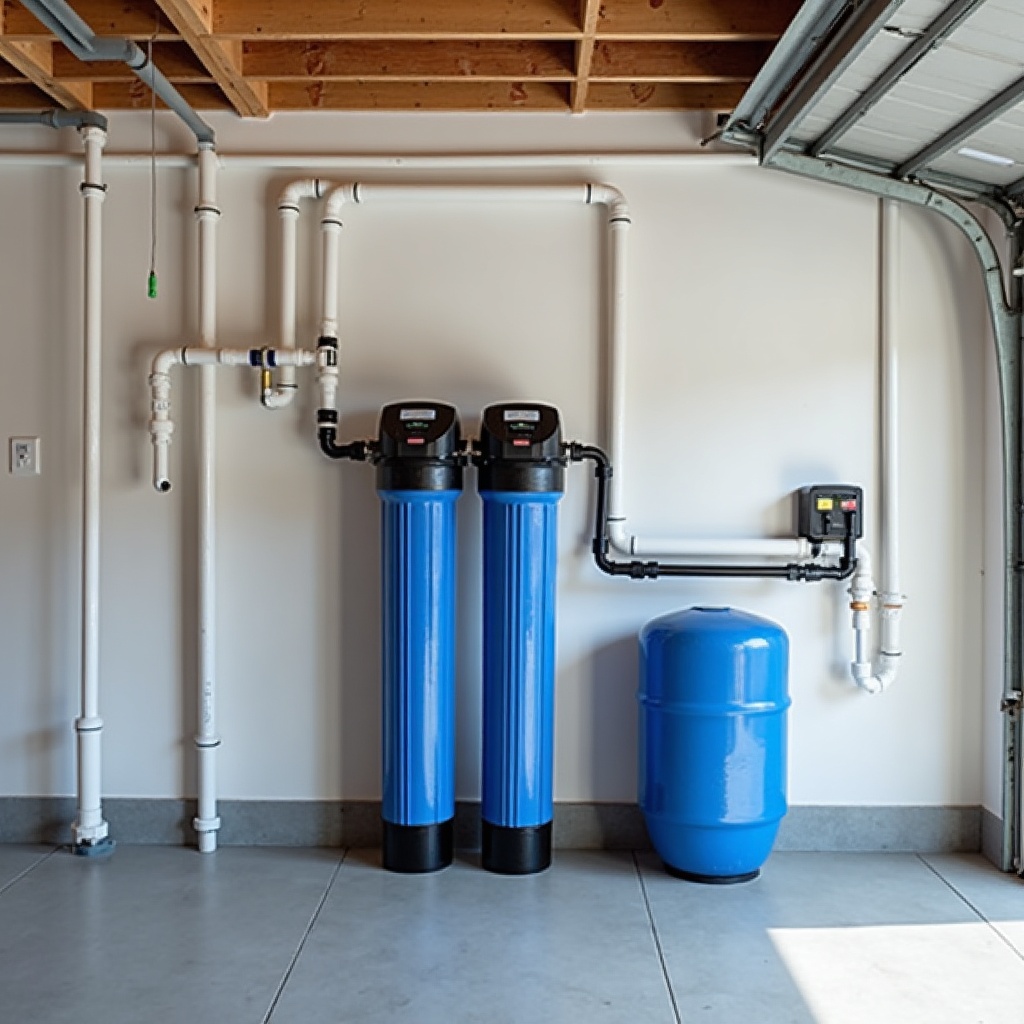
Our limestone-fed water is hard on everything it touches. Halo whole-home softening and filtration protect your plumbing, your water heater, and your skin — installed by master plumbers.
Why is Central Texas water so hard?
Greater Austin sits on limestone — the Edwards Aquifer. As water moves through that rock it picks up calcium and magnesium, the minerals that make water "hard." Homes across Austin, Round Rock, Georgetown, Cedar Park, and Leander consistently test in the hard-to-very-hard range.
Left untreated, those minerals build up as scale inside your pipes and water heater, wear out fixtures, and even contribute to pinhole leaks. Want the full picture first? Read is Central Texas water hard — do I need a softener?
The signs of a hard-water home
If two or more of these sound familiar, a water test is worth your time.
Scale & spots
White crust on faucets and showerheads; cloudy, spotty dishes and glassware.
Skin & hair
Soap that won't lather, dry skin, and dull hair after every shower.
Short heater life
A water heater that runs out sooner or fails earlier than it should.
Stiff laundry
Scratchy towels and faded fabrics, even with plenty of detergent.
Do I need a water softener?
Central Texas runs on the limestone Edwards aquifer, so the water is naturally hard. That hardness scales water heaters, wears out fixtures and appliances, and can drive pinhole leaks. Answer six quick questions to see whether a softener is worth it for your home.
White, chalky buildup on faucets, showerheads, or glass shower doors?
That crust is mineral scale left behind by hard water.
Does soap or shampoo struggle to lather, or skin and hair feel filmy or dry?
Hard-water minerals react with soap and leave a residue.
Spots or a cloudy film on glasses and dishes after the dishwasher?
Classic hard-water spotting, even with good detergent.
Have you replaced a water heater, or had scale or sediment problems?
Scale collects in the tank and shortens water-heater life.
Are appliances (dishwasher, washer, coffee maker, ice maker) wearing out faster than expected?
Mineral buildup is hard on anything that heats or moves water.
Is your home in the Austin, Round Rock, Georgetown, or wider Central Texas area?
Our region's limestone-aquifer water is naturally hard.
Answered 0 of 6
Build your water-treatment install
Pick your lane — salt-free conditioner, softener plus filtration, or the full treatment + kitchen reverse osmosis — and see the installed ballpark, what's included, and what isn't. No cart. No pressure. Just a written price.
Your whole-home solution
We're a Halo water-treatment partner — and a master-plumber-owned team that installs it right.
Whole-Home Water Softeners
Halo softening systems remove the calcium and magnesium that scale your pipes, water heater, and fixtures — sized to your home's measured hardness.
- Protects water heaters & appliances
- Softer skin, cleaner dishes
- Sized by grains-per-gallon
Drinking-Water Filtration
Whole-home and reverse-osmosis filtration reduce chlorine, sediment, and other contaminants for better-tasting water at every tap.
- Better taste & clarity
- Point-of-use or whole-home
- Pairs with a softener
Master-Plumber Installation
Every system is installed to code by our licensed, master-plumber-owned crew — and backed by our workmanship warranties.
- Code-compliant install
- No dispatch fee, free estimate
- Warranty-backed work
Pair softening with an efficient water heater
Soft water makes a new water heater last longer — and a qualifying high-efficiency unit may earn around $800 from Austin Energy plus federal rebates. Amounts change — confirm current figures.
Plan an efficient upgrade
Soft water protects a new water heater. Estimate the net cost after rebates, then check whether yours is worth repairing or replacing.
What will a new water heater really cost after rebates?
Austin Energy and federal IRA rebates can take a real bite out of a high-efficiency water heater. Pick a unit, set the cost to your quote, and choose your income tier to estimate the net cost and a rough payback.
The most efficient electric option and the one rebates reward — it earns the Austin Energy rebate and qualifies for the federal IRA programs.
Use your own written quote here — we don’t publish a fixed install price.
Estimated net cost after rebates
$2,125save $1,675
- Installed cost (your quote)
- $3,800
- Austin Energy rebate
- −$800
- Texas IRA (HEAR) estimate
- −$875
Rough payback: about 6.1 years for energy savings (~$350/yr vs a standard tank) to cover the net cost.
See the rebate guide Explore efficient upgrades (737) 313-8208Estimates only — not a quote or a guarantee of any rebate. Rebate amounts, funding, and income eligibility change frequently; verify current figures with Austin Energy and the Texas program administrators before you purchase. Savings and payback are rough projections, not promises.
Should I repair or replace it?
Enter your unit’s age and the repair you were quoted. We’ll apply the same honest rules of thumb our team uses — including the “$5,000 rule” — and give you a straight recommendation. Your numbers stay on your device.
A standard storage water heater. Hard Central Texas water scales the tank and shortens its life.
Enter your real quote — we don’t fill in a price for you.
Our read
Repairing likely makes sense
Based on the age and cost you entered, a repair is usually the smart call here. We'll fix it right and tell you honestly if anything changes once we're on site.
- At 7 years it's well within the ~10-year typical life, so it likely has good years left.
- The "$5,000 rule" (age × repair cost = 3,150) is under 5,000, which leans toward repairing.
Guidance only, using common industry rules of thumb (typical lifespan is ~8–10+ years). A quick on-site look confirms the right call — no dispatch fee, and we’ll tell you honestly if a repair is the smarter move.
Frequently asked questions
- Do I really need a water softener in Austin?
- For most Central Texas homes, yes. Our water is genuinely hard, and a softener protects the most expensive water-using equipment you own while noticeably improving day-to-day water. A quick hardness test confirms your grains-per-gallon and sizes the right system.
- What's the difference between a softener and a filter?
- A softener removes hardness minerals (calcium and magnesium) that scale your plumbing. Filtration improves taste and reduces chlorine, sediment, and other contaminants. Many homes benefit from both, which is why our Halo options cover softening and filtration together.
- Will softening extend the life of my water heater?
- Yes. Soft water dramatically reduces the scale that makes water heaters work harder and fail sooner — one of the best ways to protect that investment in hard-water Central Texas.
- Is Austin and Central Texas water hard?
- Yes. Central Texas sits on the limestone Edwards aquifer, so the water is naturally hard across Austin, Round Rock, Georgetown, and the surrounding communities. That hardness is what leaves scale on fixtures and inside your water heater.
- Do I really need a water softener in Central Texas?
- If you see chalky buildup, spotty dishes, filmy skin, or have replaced a water heater, a softener is usually worth it here. The honest answer depends on your home's measured hardness, which Plumbing Outfitters confirms with a free water test before recommending a system.
- What does hard water do to my plumbing?
- Hard-water minerals build up as scale inside pipes, water heaters, and appliances, which shortens their life, reduces efficiency, and can contribute to pinhole leaks over time. Softening the water slows that wear and protects the equipment you've already paid for.
- What's the first step to treating hard water?
- Start with a free water test so you know your actual hardness. From there our master-plumber-owned team explains your options — including Halo water-treatment systems — with clear, written pricing and no pressure.
- How much can I save with rebates on a new water heater in Austin?
- A qualifying heat-pump (hybrid) water heater can earn the Austin Energy rebate (around $800) plus an income-based federal IRA rebate, which together can take a meaningful bite out of the installed cost. Exact amounts depend on current program funding and your income, so confirm the live figures before you buy — this tool gives an estimate, not a quote.
- Which water heaters qualify for rebates?
- Rebates reward efficiency, so they focus on high-efficiency heat-pump (hybrid) electric units. Standard tanks generally don't qualify, and gas tankless eligibility varies. We help you pick equipment that earns the incentives and fits your home.
- Can I stack the Austin Energy rebate with federal IRA rebates?
- Often yes — the utility rebate and the federal HOMES/HEAR programs can target different parts of the cost and stack, but program rules and income limits apply. Verify the combined total against current guidance; we'll help you confirm what applies.
- What is the payback on a heat-pump water heater?
- After rebates, a heat-pump water heater's lower operating cost can pay back the net price over a handful of years versus a standard electric tank — the exact payback depends on your usage, rates, and the final rebate amounts. The estimate here is a rough projection to help you compare, not a promise.
Ready for cleaner, softer water?
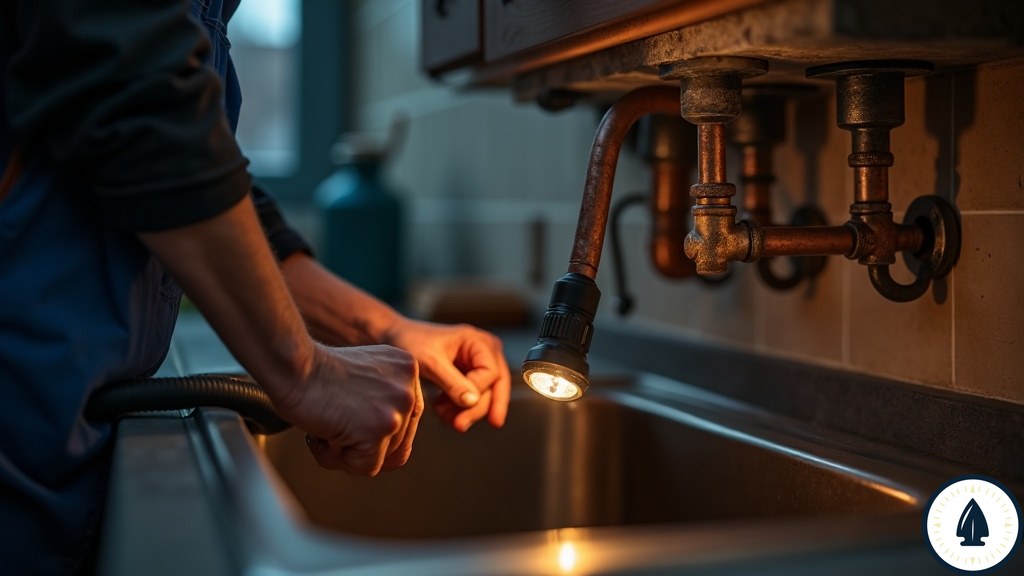
Book a free water test and estimate. We'll measure your hardness, size the right Halo system, and install it to code — no dispatch fee, guidance over guesswork.