


Preventing Frozen Pipes in Southern Climates: Why Attic Insulation Cannot Wait for a Cold Snap
Why attic plumbing needs attention before a cold snap. When preventing frozen pipes in southern climates, timing is critical. Secure your lines today.
Responsible Master Plumber · TX Master Plumber License M-41984
The Hidden Threat of Sudden Freezes in Central Texas
November is officially here, and if you are serious about preventing frozen pipes in southern climates, the window for pre-winter readiness is closing fast. While the afternoon sun might still feel perfectly pleasant, relying on overall mild weather creates a dangerous false sense of security. At Plumbing Outfitters, we know that in Central Texas, our weather patterns are notoriously deceptive. We frequently experience mild, 60-degree days that suddenly plummet well below freezing overnight. Our dispatch team sees firsthand how this rapid temperature drop catches homeowners completely off guard, turning a quiet evening into a frantic scramble to protect exposed plumbing.
For comprehensive bathroom plumbing services and overall home protection, our team always emphasizes that proactive preparation is better than emergency reaction. The critical window for securing vulnerable plumbing is right now, before the first winter storm rolls in. Waiting for a severe weather alert means you are already too late to implement the most effective defenses. Establishing proactive measures in November is far less disruptive, and far less stressful, than tearing out soggy drywall to repair a burst line in January.
Why Southern Home Architecture Leaves Plumbing Exposed
To understand why homes in our region are so vulnerable to sudden freezes, our plumbers often explain how they are built. Northern homes and southern homes are engineered for completely different climates, and those architectural choices directly impact your plumbing's safety.
| Architectural Feature | Northern Homes | Southern Homes |
|---|---|---|
| Plumbing Routing | Inside the deep, conditioned envelope | Often in unconditioned attics or exterior walls |
| Wall Insulation | Deep cavities with high R-value | Thinner profiles optimized for shedding heat |
| Freeze Vulnerability | Low (protected by ambient indoor heat) | High (directly exposed to outside temperature drops) |
| Winter Preparation | Largely built-in by design | Requires proactive homeowner intervention |
The core difference lies in the "conditioned envelope." This term refers to the areas of your home that are actively heated or cooled by your HVAC system. In northern climates, builders go to great lengths to ensure all water lines remain strictly inside this insulated, heated envelope. In our years working on Central Texas homes, we frequently see plumbing routed through the path of least resistance, which often means running pipes through exterior walls or right over the ceiling joists in the attic. These unconditioned spaces offer almost no thermal protection during a severe cold snap.
The Lack of Deep Winter Insulation
Southern homes are masterfully optimized for cooling. They are designed to breathe, ventilate, and release trapped summer heat. However, this same design philosophy works against you in the winter. The wall cavities in our homes simply lack the deep R-value (thermal resistance) required to stop freezing air from penetrating the structure. When the temperature outside drops to 20°F, we've observed that the temperature inside an exterior wall cavity drops right along with it, leaving any plumbing routed through that space highly susceptible to freezing.

The Attic Danger Zone: Your Home's Most Vulnerable Pipes
Southern pipes freeze faster in attics because these spaces are intentionally ventilated to release summer heat, meaning they offer virtually no thermal barrier against winter cold. When our technicians inspect attics across Taylor and the surrounding areas, we see how freezing outdoor air continuously circulates directly across exposed plumbing lines that sit entirely outside the home's heated envelope. This constant wash of frigid air rapidly strips heat away from the water inside the pipes.
Based on our field experience, the most high-risk areas in your attic typically include:
- Water heater supply lines: Cold and hot water lines that route directly through the open attic space with minimal or degraded coverage.
- Overhead bathroom feeds: The primary supply lines dropping down to feed second-story showers, tubs, and double vanities.
- Horizontal cross-runs: Long, continuous stretches of pipe resting just above the ceiling joists, fully exposed to ambient attic drafts.
- Junctions and elbows: Areas where pipes change direction, which are notoriously difficult to insulate properly and often left entirely bare.
The catastrophic potential of an attic pipe bursting cannot be overstated. If a line ruptures above your ceiling, gravity immediately takes over. Hundreds of gallons of water can pour down through the insulation, destroying drywall, flooding living spaces, and ruining electrical systems on the floors below. Identifying these specific vulnerabilities is critical. If you need Austin plumbing services to evaluate these high-risk zones, our professional insight is invaluable for protecting your property.
The Science of Bursting Pipes: What Happens During a Freeze
Understanding the actual mechanics of a bursting pipe highlights exactly why prevention is so critical. We often explain to homeowners that the destruction is not caused simply because ice is cold; it is caused by basic physics. When liquid water transitions into solid ice, it expands by approximately 9% in volume. This thermal expansion exerts immense outward force.
This expansion exerts incredible pressure on the pipe walls, regardless of the material. Whether we are working on a home plumbed with traditional copper, rigid PVC, or flexible PEX tubing, no residential plumbing material is designed to withstand thousands of pounds of internal hydrostatic pressure. While PEX has slightly more flex than copper, a hard, solid freeze will still cause it to fail.
Many of our customers are surprised to learn that the actual rupture often occurs in a location where there is no ice at all. As the ice blockage forms and expands inside the pipe, it acts like a piston. It pushes the remaining liquid water forcefully toward the closed faucet. Because water cannot be compressed, the pressure builds exponentially in that trapped section of liquid. Eventually, the pipe bursts between the ice blockage and the faucet to release the pressure.
Above-Ground vs. Underground Vulnerabilities
It is important to contrast above-ground freezing risks with underground lines. Underground pipes benefit from the earth's natural thermal mass, which insulates them from rapid temperature fluctuations. While trenchless water line replacement is an excellent solution for aging or damaged subterranean pipes, our team stresses that your above-ground attic and wall pipes require completely different preventative strategies because they have absolutely zero thermal mass protecting them from the freezing air.
Proactive Insulation vs. Reactive Panic
Shifting your mindset from reactive panic to proactive insulation is the single best way to protect your home. Waiting for a local meteorologist to announce a hard freeze warning is simply too late. By the time the forecast predicts a sudden drop in temperature, we typically see hardware stores entirely sold out of foam tubing, and professional plumbers like us are booked solid with emergency calls.
At Plumbing Outfitters, our local experience handling the aftermath of severe Texas winter storms has shown us exactly what happens when homes aren't prepared. We have seen the flooded living rooms, collapsed ceilings, and extensive water damage in Taylor, TX homes that could have easily been prevented with early intervention. Securing your home in November provides uninterrupted peace of mind all winter long.
Professional-grade insulation goes far beyond the cheap foam noodles you find at big-box stores. Our plumbers utilize high-density elastomeric foam, heavy-duty fiberglass wraps, and specialized thermal barriers designed specifically for unconditioned attics and crawlspaces. The most critical factor in this process is proper fit. A quarter-inch gap in the insulation creates a thermal bridge, acting as a bullseye for freezing air to penetrate the line. Complete, seamless coverage is mandatory. If you want to ensure your home is fully protected, securing plumbing services in Taylor, TX right now ensures you aren't caught in the reactive panic when the weather turns.
Professional Winterization: Securing Your Plumbing System
Proper winterization requires identifying hidden vulnerabilities that homeowners almost always miss. When our team performs a comprehensive professional winterization service, we follow a meticulous process that addresses the specific architectural weaknesses of southern homes. Because this involves working with complex plumbing infrastructure and occasionally electrical components, these steps require a licensed professional.
- Comprehensive System Inspection: Our plumbers begin by mapping out every vulnerable zone in the home. This includes a thorough evaluation of exterior hose bibs, crawlspace routing, and the highly exposed pipes running through the unconditioned attic.
- Strategic Thermal Barrier Application: Our professionals install high-grade, precisely measured insulation on all exposed lines. We pay special attention to elbows, tees, and shut-off valves, ensuring these awkward junctions are completely sealed against freezing drafts.
- Heat Tape Installation: For exceptionally vulnerable sections of pipe that cannot be adequately protected by passive insulation alone, our team may install thermostatically controlled heat tape. This active heating element automatically warms the pipes when temperatures drop, requiring careful coordination to ensure safe electrical and plumbing integration.
- Water Heater Evaluation: We assess water heating units that are frequently located in unconditioned garages or attics. Our technicians ensure the cold water supply lines, hot water output lines, and the pressure relief valves are heavily insulated to prevent a freeze from disabling the entire unit.
Trusting experts for preventative winterization or necessary plumbing repairs in Round Rock ensures that no critical vulnerability is overlooked before the cold weather arrives.
Safe Homeowner Maintenance: Dripping Faucets and Cabinet Doors
While deep insulation and system mapping require a professional, we always advise our customers that there are several highly effective, actionable steps you can take safely when a freeze is imminent. These non-licensed maintenance tasks are your first line of defense during a sudden cold snap.
- Drip your faucets strategically: The science behind dripping a faucet isn't just about keeping water moving to prevent freezing. It is actually about relieving hydrostatic pressure. Allowing a slow, steady drip gives expanding ice a place to push the remaining liquid water, preventing the massive pressure spike that causes the pipe to burst.
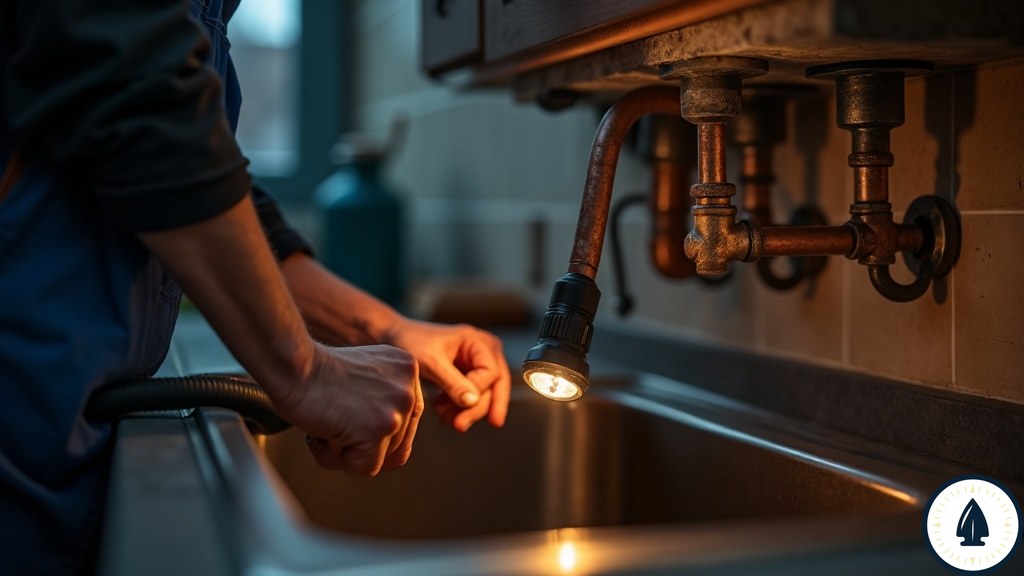
- Open under-sink cabinet doors: Pipes located under kitchen and bathroom sinks, especially those on exterior walls, are isolated from your home's heating system. Opening the cabinet doors allows conditioned, warm room air to circulate around the pipes, significantly reducing their risk of freezing.
- Disconnect all outdoor hoses: Leaving a garden hose connected traps water inside the exterior hose bib. When that trapped water freezes, the ice expands backward into the pipe inside your wall. Always disconnect hoses and install insulated foam covers over the bibs before a freeze.
- Maintain a consistent thermostat setting: Keep your home's thermostat set to the exact same temperature day and night during a severe cold snap. While you might normally lower the heat at night to save energy, the slight increase in your heating bill is far cheaper than paying for a catastrophic burst pipe repair.
If you encounter unusual issues while prepping your home, reaching out for Georgetown plumbing services can help clarify what is safe for you to handle manually versus what requires our expert touch.
Schedule Your Pre-Winter Plumbing Assessment
The peace of mind that comes with pre-winter readiness is invaluable. Knowing your attic and exterior pipes are fully secured allows you to sleep soundly, even when the overnight temperatures plummet. Do not wait for the holiday season to bring a sudden, unexpected cold snap. Reach out to the team at Plumbing Outfitters today to schedule a professional plumbing assessment and ensure your home is thoroughly protected.
Frequently Asked Questions
Why do pipes burst more easily in southern homes?
Southern homes are built primarily to shed heat, meaning they lack the deep wall insulation and robust conditioned envelopes found in northern houses. When our team responds to burst pipes, we see that plumbing routed through unconditioned attics or thin exterior walls is exposed directly to freezing temperatures. Without adequate thermal protection, the water inside freezes, expands, and exerts massive pressure until the pipe ultimately ruptures.
How do I protect my pipes from freezing in Texas?
The best protection we recommend is proactively installing professional-grade pipe insulation in vulnerable areas like attics and crawlspaces before winter begins. During an active freeze, you should also disconnect outdoor hoses, open under-sink cabinet doors, and allow your indoor faucets to drip slowly. Maintaining a consistent indoor temperature day and night further helps keep ambient heat circulating around your interior plumbing.
At what temperature do pipes freeze in the South?
In our experience, pipes in southern homes typically begin to freeze when outside temperatures drop to 20°F or lower for several consecutive hours. However, pipes located in drafty, unconditioned attics or exposed crawlspaces can freeze at slightly higher temperatures due to wind chill and a total lack of insulation. It is always best to begin your preventative measures whenever the local forecast predicts a drop below 32°F.
Should I drip faucets in southern states?
Yes, our plumbers strongly advise that you definitely drip your faucets when a hard freeze is imminent in southern states. Dripping a faucet does not necessarily prevent the water inside the line from freezing, but it successfully relieves the immense hydrostatic pressure that builds up between an ice blockage and a closed tap. By giving the water a place to escape, you significantly reduce the risk of the pipe bursting inside your walls.
Does insulating pipes guarantee they won't freeze?
In our professional opinion, insulating pipes significantly reduces the risk of freezing, but it is not an absolute guarantee in extreme, prolonged sub-zero conditions. Insulation works by slowing down the transfer of heat, keeping the water inside the pipe warmer for a much longer period. To maximize effectiveness, the insulation must be properly sized, tightly fitted without any gaps, and combined with active strategies like dripping faucets during severe cold snaps.
When is the best time to winterize plumbing in Central Texas?
At Plumbing Outfitters, we tell our customers that November is the ideal time to winterize your plumbing in Central Texas. Waiting until a severe freeze is actually in the forecast often means dealing with sold-out hardware supplies and fully booked plumbing professionals. By securing your home in late fall, you ensure your vulnerable pipes are heavily protected well before the first unexpected overnight temperature drop occurs.
Ready to find your way out of plumbing trouble?
Call the Outfitters or request service online — a real team member will guide you through the next steps. No dispatch fee, free estimates, same-day service across Taylor, TX and beyond.