

Rainy Day Revelations: What Your Yard is Telling You About Your Pipes
How Spring Rains Reveal Hidden Plumbing Problems in Austin
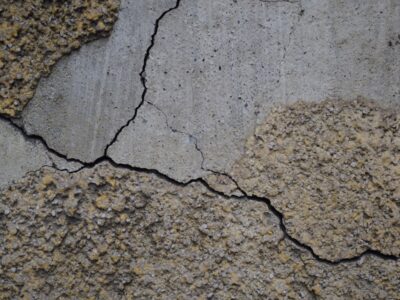
In the Greater Austin area, our soil is famous for more than just supporting bluebonnets; it is packed with expansive clay. This clay acts like a sponge, swelling significantly when wet and shrinking during our hot, dry spells. As we move into April 2026, the transition from a cold winter to a rainy spring creates a “perfect storm” for your pipes. The freeze-thaw cycles of winter may have caused tiny hairline fractures in your pipes as the metal or plastic contracted. Now, as the ground becomes saturated, that water adds immense weight and hydrostatic pressure against your foundation and underground lines.

This soil shifting is the primary reason how spring rains reveal hidden plumbing problems. When the earth moves, it doesn’t move uniformly. One section of your pipe might be held firm while another is pushed upward by swelling clay. This leads to pipe misalignment, snapped joints, and foundation stress. If your home is built on a concrete slab—as many are in Round Rock, Pflugerville, and Cedar Park—this movement can be devastating to the plumbing buried beneath the pour.
How spring rains reveal hidden plumbing problems through slab leaks
A slab leak is one of the most “hush-hush” problems a home can have until the spring rains arrive. When the ground is dry, a small pinhole leak in a copper pipe under your house might just seep into the dirt. But when heavy rains saturate that dirt, the water has nowhere to go but up.
You might notice efflorescence, which is a white, powdery mineral deposit left behind on your floor or basement walls after water evaporates. Other Slab Leak Signs include:
- Warm spots on the floor: If a hot water line has cracked due to soil shifting, you might feel a literal “hot spot” under your feet.
- Bubbling paint or damp drywall: Moisture wicking up from the slab often attacks the baseboards and lower inches of your walls first.
- Water meter movement: If you suspect a leak, turn off all the faucets in your house. If the little dial on your water meter is still spinning, you have a “revelation” on your hands.
Recognizing these Important Signs That You Have a Water Leak early can save you from a massive foundation repair bill later in the summer.
How spring rains reveal hidden plumbing problems in sewer lines
Your sewer line is particularly vulnerable to the “heaving” of spring soil. While supply lines are under constant pressure, sewer lines rely on a specific “slope” or grade to move waste away from your home. When spring rains cause soil heaving, that slope can be disrupted, creating “bellies” in the line where waste collects and clogs.
Furthermore, heavy rain puts extra pressure on aging or weak sewer pipes. If there is a pre-existing fracture, the surrounding saturated earth can force silt, mud, and even tree roots into the pipe. This results in 5 Common Signs You’re Having Sewer Problems, such as multiple drains backing up at once or foul odors wafting from your floor drains. If you find that your toilets are gurgling every time it pours outside, Have a Problem with Your Drains? A Professional Drain Cleaning Might Be in Order to clear out the debris pushed in by the rain.
Warning Signs Your Yard is Signaling a Pipe Issue
Sometimes, the most honest reporter of your plumbing health is your front lawn. Because we live in a region with fluctuating moisture levels, your yard will often react to underground water before your indoor fixtures do.

Keep an eye out for these “outdoor” revelations:
- The “Evergreen” Patch: If one spot in your Taylor or Hutto yard is suspiciously lush, green, and growing faster than the rest of the lawn, it’s likely “feeding” off a leaking sewer or water line.
- Soggy Patches and Sinkholes: If you step into a soft, spongy area of grass three days after the rain has stopped, that isn’t just “poor drainage.” It’s often a sign of a cracked underground pipe.
- Sewer Odors: Saturated ground can trap sewer gases. If your backyard smells like a water treatment plant after a storm, your sewer line integrity has likely been compromised.
- Low Water Pressure: If your morning shower feels more like a light mist after a heavy storm, the shifting ground may have caused a major leak in your main service line.
Many homeowners mistake these for The Top 5 Summertime Plumbing Issues to Look Out For, but they actually start in the spring. Using Top Tips for Detecting a Water Leak—like checking for standing water near your foundation—can help you catch these issues before they cause a sinkhole or foundation failure.
Why Sump Pumps and Spigots Fail During the Spring Thaw
Spring is the season of “The Great Thaw.” Even in Central Texas, winter temperatures can dip low enough to cause issues that only become apparent when the water starts flowing again in April.
Outdoor spigots and hose bibs are frequent victims. If you left a hose attached during a winter freeze, water trapped in the pipe could have frozen and cracked the internal valve. You won’t know it’s broken until you turn the knob for the first time in the spring and water starts spraying inside your wall. This is why we recommend 6 Helpful Spring Plumbing Tips like testing your outdoor faucets early.
Sump pumps are your home’s first line of defense against rising groundwater. However, because they sit idle all winter, the float switch can become stuck or the check valve can fail. We’ve seen many basements and crawl spaces in Georgetown and Liberty Hill flood simply because a homeowner didn’t test their pump before the first big April downpour. Testing is easy: just pour a five-gallon bucket of water into the basin. If the pump doesn’t kick on immediately, it’s time for a professional look. Adding a backup battery is also one of those Five Plumbing Projects to Tackle This Spring that provides immense peace of mind.
Preventative Steps to Protect Your Home This Season
Being proactive is the only way to beat the “Texas Class” challenges of our local environment. Below is a guide to help you decide what you can handle and where you need our specialized tools.
| Maintenance Task | DIY Level | Professional Level |
|---|---|---|
| Gutters & Downspouts | Clean debris; add extensions to move water 10ft from foundation. | Install permanent underground drainage systems. |
| Leak Detection | Monitor water bill; check for wet spots in the yard. | Use thermal imaging and acoustic sensors to find slab leaks. |
| Sump Pump | Test with a bucket of water; clear silt from the basin. | Replace worn motors; install high-capacity backup batteries. |
| Water Lines | Visually inspect exposed pipes for corrosion or moisture. | Perform hydrostatic testing to check for pressure drops. |
Beyond the yard, don’t forget your indoor appliances. Following Top Tips for Spring Water Heater Maintenance—like flushing out sediment—ensures your system can handle the increased demand as your family gets more active outdoors.
For those in older neighborhoods in Austin or San Marcos, consider root barriers or backwater valves. A backwater valve is a one-way gate that allows sewage to go out but prevents municipal sewer backups from coming in when the city’s pipes are overwhelmed by rainwater.
Frequently Asked Questions about Spring Plumbing
Can heavy rain cause my indoor drains to back up?
Absolutely. When the municipal sewer system in cities like Round Rock or Austin reaches capacity during a torrential downpour, the pressure can actually reverse. If your home’s sewer line has a crack or a clog, the added pressure of saturated soil makes it even harder for waste to escape, leading to backups in your lowest drains (usually the shower or basement floor drain).
Why does my yard stay wet days after the rain stops?
While Austin’s clay soil does retain water, a yard that stays “swampy” for more than 48 hours after a rain is a major red flag. This often indicates a main line leak. The rain-saturated soil “masks” the leak initially, but as the rest of the yard dries out, the constant seepage from a broken pipe keeps that one spot muddy.
How often should I have my plumbing inspected in Austin?
We recommend an annual inspection, ideally in the spring. Because our soil moves so much, a pipe that was perfectly fine last year could be under significant stress this year. If your home is over 20 years old, these seasonal shifts are even more dangerous for aging copper or cast-iron lines.
Secure Your Home’s Plumbing with Professional Austin Experts
At Plumbing Outfitters, we’ve seen how spring rains reveal hidden plumbing problems across Greater Austin. From the shifting soils of Manor to the aging lines in Taylor and Temple, the transition to spring is a critical time for your home’s health. Don’t wait for a soggy carpet or a foundation crack to tell you there’s a problem.
Whether you need advanced leak detection, a sump pump tune-up, or a comprehensive sewer line inspection, we are here to provide the “Texas Class Service” you deserve. We serve the entire region, including Austin, Round Rock, Pflugerville, Cedar Park, Georgetown, and beyond.
Schedule your professional Austin plumbing services today and let us help you keep your home dry and your pipes flowing smoothly all season long!