
Understanding the Hidden Threat Beneath Your Cedar Park Home
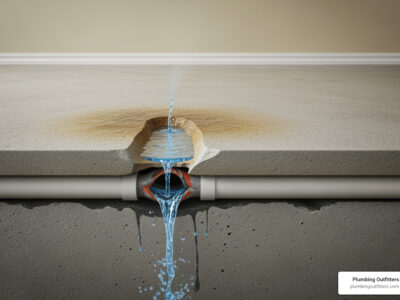
Slab leak repair in cedar park, tx is a critical service for homeowners facing one of the most damaging yet hidden plumbing issues. When pipes beneath your concrete foundation rupture or leak, water can silently erode your foundation, ruin flooring, and create conditions for dangerous mold growth—all while you’re left wondering about a sudden increase in water usage or why that one spot on your floor feels unusually warm.
If you’re searching for slab leak repair in Cedar Park, TX, here’s what you need to know:
- What it is: A leak in the water lines buried beneath your home’s concrete slab foundation
- Why it happens: Cedar Park’s expansive clay soils shift with moisture changes, stressing underground pipes; aging cast iron or copper pipes corrode over time
- Warning signs: Unexplained high water usage, sound of running water when taps are off, warm floor spots, damp carpets, foundation cracks
- What to do: Contact a licensed plumber immediately for professional detection using acoustic equipment, thermal imaging, or video inspection
- Repair options: Spot repair, pipe rerouting, under-slab tunneling, or full repiping depending on severity
- Why act fast: Delays lead to structural damage, foundation erosion, and extensive repairs far exceeding the scope of immediate professional intervention
Cedar Park’s unique geology makes homes here particularly vulnerable to slab leaks. The area’s high clay content soil expands when wet and contracts when dry, putting constant pressure on your foundation and the pipes running beneath it. Combined with aging plumbing materials common in older neighborhoods, this creates a perfect storm for underground leaks that can go undetected for months.
For comprehensive plumbing solutions beyond slab leaks, explore our full range of plumbing services, or if you need immediate help, schedule your slab leak inspection today.

Why Cedar Park Homes Are Prone to Slab Leaks
Homes in Cedar Park, like many across Central Texas, are often built on concrete slab foundations. While these foundations offer robust support, they also create a unique challenge: when plumbing pipes buried within or beneath the slab leak, they can go unnoticed for extended periods, causing significant damage. The prevalence of slab leak repair in Cedar Park, TX isn’t just a coincidence; it’s deeply tied to the local environment and common construction practices.
One of the primary culprits is the expansive clay soils characteristic of Central Texas. This soil type, with its high clay content and often little organic matter, reacts dramatically to changes in moisture. When the soil gets wet, it expands and rises, putting immense pressure on your home’s concrete slab. Conversely, when it dries out, it contracts, causing the ground to shift and settle. This constant shifting and movement create a dynamic environment that can stress your home’s foundation and, critically, the plumbing pipes embedded within it.
This foundation movement directly impacts your home’s plumbing. Pipes that are rigid and not designed to flex with shifting soil can crack, rupture, or disconnect. It’s like a slow, relentless tug-of-war on your underground water and sewer lines.
Beyond the soil, several other factors contribute to slab leaks in Cedar Park homes:
- Aging Plumbing Systems: Many homes in Cedar Park and surrounding areas were built decades ago. The plumbing materials used then, such as cast iron and copper pipes, have a finite lifespan. Over time, cast iron can rust and corrode, leading to deterioration and leaks. Copper pipes, while durable, can also corrode due to aggressive water chemistry (water that is either too acidic or too alkaline), high water pressure, or even abrasion from rubbing against the concrete slab or other pipes as the foundation shifts. This internal corrosion can slowly eat away at the pipe walls until a pinhole leak or rupture occurs.
- Poor Construction: Sometimes, pipes are installed with insufficient protection or without proper bedding, making them more vulnerable to damage from the shifting soil or the weight of the slab itself. Improperly installed pipes may also have stressed joints or connections that are more likely to fail over time.
- High Water Pressure: Consistently high water pressure in your home’s plumbing system can put undue stress on pipes, especially older ones. This constant pressure can accelerate wear and tear, eventually leading to leaks in weaker points of the system.
- Tree Root Intrusion: While more common for sewer lines, aggressive tree roots seeking moisture can sometimes crack or penetrate water lines beneath the slab, leading to leaks.
Understanding these underlying causes helps us appreciate why slab leak repair in Cedar Park, TX is such a common and necessary service. It’s a combination of natural geological conditions and the wear and tear of time on essential home infrastructure.
Recognizing the Telltale Signs of a Slab Leak
Because slab leaks occur beneath your home’s foundation, they are often hidden from plain sight, making early detection a challenge. However, your home often provides subtle (and sometimes not-so-subtle) clues that indicate a leak is present. Learning to recognize these warning signs can save you from extensive damage and major repairs down the line.
Here are the key indicators we advise Cedar Park homeowners to look out for:
- Unexplained Increase in Water Usage: This is often the first and most common sign. If your water meter shows continuous usage even when all fixtures are off, or your water usage suddenly spikes without a change in habits, a hidden leak is a very strong possibility. Even a seemingly minor leak can waste thousands of gallons of water annually.
- Sound of Running Water: Do you hear the faint sound of running water when all faucets are off, no appliances are running, and no one is showering? This “phantom running water” can be the sound of water escaping a pipe beneath your slab.
- Warm Spots on Floors: If you notice areas on your floor that feel unusually warm, especially over a concrete slab, it could indicate a ruptured hot water line beneath the surface. The escaping hot water heats the concrete above it.
- Damp Carpets or Discolored Flooring: Persistent dampness in carpeted areas or visible discoloration, warping, or buckling of other flooring materials (like wood, laminate, or tile) can point to water seeping up from below the slab.
- Musty Odors or Mold/Mildew Growth: Water from a slab leak creates a damp environment where mold and mildew thrive. If you detect a persistent musty odor, particularly in certain areas of your home, or observe visible mold growth, it’s a critical sign of hidden moisture.
- Visible Foundation Cracks: While foundation cracks can have various causes, new or expanding cracks in your home’s foundation, walls, or even ceilings can be a symptom of a severe slab leak. The escaping water can erode the soil beneath the foundation, leading to instability, shifting, and cracking.
- Uneven Plant Growth or Soggy Spots in the Yard: If parts of your lawn or landscaping near the foundation are unusually green, lush, or perpetually soggy, it might be due to water leaking from a pipe and nourishing the plants or pooling underground.
- Decreased Water Pressure: A significant drop in water pressure throughout your home, or only in certain areas, could indicate that water is escaping somewhere before it reaches your fixtures.
We’ve put together more detailed information on Important Signs That You Have a Water Leak and specific Slab Leak Signs to help you understand these indicators further. If you notice any of these warning signs, it’s crucial to act swiftly. Undetected leaks can lead to extensive repairs and even structural damage if you don’t address them quickly.
The Critical Importance of Professional Slab Leak Detection and Repair in Cedar Park, TX
Ignoring a suspected slab leak is like ignoring a ticking time bomb beneath your home. The longer a slab leak goes unaddressed, the more severe the consequences become. That’s why professional intervention for slab leak repair in Cedar Park, TX is not just recommended, but essential.
The Dangers of Delay: Consequences of an Untreated Slab Leak
The impact of an untreated slab leak extends far beyond wasted water. Water is incredibly destructive, and when it’s allowed to continuously seep beneath your home, it can cause a cascade of serious problems:
- Structural Damage: This is perhaps the most devastating consequence. Extended exposure to water from slab leaks can erode the soil supporting your foundation. This erosion creates voids and cavities, leading to foundation shifting, cracks, and potentially even collapse. Water leaks that are left unrepaired can result in structural damage and foundational damage to your biggest asset—your home.
- Foundation Erosion and Instability: As mentioned, the expansive clay soils in Cedar Park are already prone to shifting. A slab leak exacerbates this problem by washing away the soil that provides critical support to your concrete slab. This undermining of the foundation can lead to uneven floors, cracks in walls, and doors and windows that stick.
- Ruined Flooring and Furniture: As water seeps up through the slab, it can damage anything in its path. Flooring, including carpets, wood, laminate, and tile, can be warped, discolored, or completely ruined. Furniture, baseboards, and even personal belongings can suffer water damage.
- Significant Water Waste: Even a small leak can waste hundreds of gallons of water daily. This continuous loss of water puts a strain on resources while your home suffers damage.
- Compromised Indoor Air Quality and Health Risks: Constant moisture from a slab leak creates an ideal breeding ground for mold and mildew. These fungi can spread rapidly, releasing spores into your home’s air. Exposure to mold can cause respiratory issues, allergic reactions, and other health problems, making extensive mold remediation necessary.
- Pest Infestations: Damp environments attract pests like cockroaches, termites, and rodents. A slab leak can create a welcoming habitat for these unwanted guests, leading to further problems.
We cannot overstate the importance of addressing these issues promptly. Catching leaks early can prevent the extensive damage that can occur. For more insights, read our guide on 5 Reasons Why Leak Detection is Crucial to Catch Early On.
Advanced Slab Leak Detection Methods
Given that slab leaks are hidden, specialized tools and expertise are required to pinpoint their exact location. We use advanced, non-invasive technology to accurately detect leaks, minimizing disruption to your home.
Our approach to slab leak detection often involves a combination of the following methods:
- Acoustic Leak Detectors (Geophones): These sensitive electronic listening devices can pick up the faint sound of water escaping from a pipe beneath the slab. By listening intently at various points on the floor, our technicians can home in on the precise location of the leak, even the “telltale whispers of a hidden leak.”
- Electronic Line Locators: Tools like the top-of-the-line Ridgid Scout Line Locators allow us to accurately determine the location of pipes beneath slabs. This sophisticated technology helps us pinpoint the exact position of the pipes and any anomalies or breaks within them, drastically reducing the need for exploratory digging.
- Video Pipe Inspection Cameras: For drain or sewer line slab leaks, small, flexible cameras are snaked into the pipes. These “miniature explorers” provide a real-time visual inspection of the pipe’s interior, revealing cracks, breaks, blockages, or other damage.
- Thermal Imaging Cameras: These cameras detect subtle temperature differences on your floor or walls. Warm spots can indicate a hot water line leak, as the escaping hot water heats the surrounding concrete. This allows us to see “faint thermal traces of a leak through walls and floors.”
- Ground Moisture Meters: These devices can uncover “hidden pockets of moisture that could signal a leak” beneath the slab or in walls, helping to confirm the presence of water even before it becomes visible.
- Water Pressure Tests: By isolating sections of your plumbing and testing the water pressure, we can identify if there’s a pressure drop, which indicates a leak somewhere in that section.
These advanced detection technologies are crucial for accurate slab leak identification. Our goal is to locate the leak with precision, ensuring that any repair work is targeted and minimally invasive. You can learn more about how we approach this in The Homeowners Guide to Quick and Effective Leak Detection.
Modern Solutions for Slab Leak Repair in Cedar Park, TX
Once a slab leak is accurately detected, the next step is implementing an effective repair. The best method for slab leak repair in Cedar Park, TX depends on several factors, including the leak’s location, severity, the type of pipe, and your home’s specific foundation. We are equipped to handle a range of repair options, always striving for the least disruptive and most durable solution.
Here are the common methods we employ:
- Spot Repair (Slab Penetration): This involves directly accessing the damaged section of pipe by carefully breaking through the concrete slab at the exact location of the leak. While more invasive than other methods, it’s often the most straightforward for isolated leaks. After the pipe is repaired or replaced, the slab is then patched.
- Pipe Rerouting (Bypass): For leaks that are difficult to access, involve multiple sections of pipe, or are in an area prone to future issues, rerouting the problematic pipe can be a highly effective solution. This involves abandoning the old, leaking section of pipe beneath the slab and installing a new line through the walls or attic, bypassing the foundation entirely. This method is often preferred for hot water lines or when minimizing disruption to the slab is a priority. For homes with slab foundations or tight crawl spaces, rerouting can be an effective alternative to invasive slab repairs, offering smart solutions with minimal disruption.
- Under-Slab Tunneling: This minimally invasive technique involves excavating a tunnel beneath the concrete slab to access the damaged pipes from outside the home. This avoids breaking through interior flooring and walls, preserving your home’s aesthetics and structure. Under-slab tunneling can be faster than traditional methods as it bypasses demolition and reconstruction phases inside your home. It’s often the better choice compared to jackhammering when considering disruption, time, and long-term durability.
- Pipe Lining (Trenchless Repair): In some cases, especially for drain or sewer lines, a trenchless pipe lining method can be used. This involves inserting a new, resin-impregnated liner into the existing damaged pipe, which then hardens to create a new pipe within the old one. This method requires no digging and is highly effective for certain types of pipe damage.
- Full Repiping: If your home has an extensive network of aging, corroded pipes that are prone to leaks, a full repiping might be the most comprehensive and long-term solution. This involves replacing all the old plumbing lines with new, durable materials, giving you peace of mind for decades to come.
Choosing the right repair method is a decision we make in consultation with you, after a thorough assessment of the situation. Our goal is always to provide a lasting solution that protects your home and minimizes inconvenience. We offer a full range of Slab Leak services to meet these needs.
Proactive Measures: How to Prevent Slab Leaks in Your Cedar Park Home
While we can’t control Cedar Park’s expansive clay soils, there are several proactive steps homeowners can take to significantly reduce the risk of slab leaks and protect their plumbing infrastructure. Prevention is always better than cure, especially when it comes to hidden issues like slab leaks.
Here’s how you can be proactive:
- Schedule Annual Plumbing Inspections: Regular, professional plumbing inspections are your best defense against hidden leaks. Our technicians can identify early signs of wear and tear, detect subtle pressure changes, and spot potential problem areas before they escalate into major slab leaks. This allows for minor repairs or adjustments that can prevent much larger issues.
- Monitor and Regulate Water Pressure: High water pressure puts constant stress on your pipes, accelerating their deterioration and increasing the likelihood of leaks. We recommend having your home’s water pressure checked annually. If it’s consistently above 80 psi, a pressure regulator can be installed or adjusted to maintain a safe level, extending the life of your plumbing system.
- Improve Yard Drainage Around Your Foundation: Proper drainage is crucial to manage the moisture content of Cedar Park’s expansive clay soils. Ensure that rainwater drains away from your foundation, not towards it. This might involve grading your landscape, installing French drains, or ensuring your gutters and downspouts are clean and extend far enough from your home. Minimizing drastic moisture fluctuations around your foundation helps reduce soil movement and the stress it places on your pipes.
- Know Your Main Water Shut-Off Valve Location: In the event of a sudden leak or burst pipe, knowing how to quickly turn off your home’s main water supply can minimize damage. Familiarize yourself and your family members with its location and how to operate it.
- Address Small Leaks Promptly: Don’t ignore dripping faucets or leaky toilets. While not slab leaks themselves, these indicate general wear in your system and can contribute to water waste and an unhealthy tolerance for leaks. Addressing them promptly can prevent them from becoming larger issues or masking the signs of a more serious hidden leak.
- Be Mindful of Landscaping Near Foundation: While trees and shrubs add beauty, their roots can seek out water sources, including your underground pipes. Plant larger vegetation a safe distance from your foundation to prevent root intrusion into water or sewer lines.
By adopting these preventative measures, you can significantly reduce your vulnerability to slab leaks and protect your home’s foundation and plumbing system. For more tips on safeguarding your home, explore our guide on the Best Ways to Prevent a Slab Leak.
Conclusion: Protecting Your Home with Expert Slab Leak Services
The challenge of slab leak repair in Cedar Park, TX is a significant one, stemming from the unique geological makeup of our region and the natural aging of home infrastructure. We’ve seen how the expansive clay soils, coupled with factors like aging pipes and high water pressure, conspire to create these hidden threats beneath our homes. We’ve also explored the critical warning signs—from unexplained increases in water usage and mysterious running water sounds to warm spots on floors and visible foundation cracks—that homeowners must recognize to prompt early action.
The consequences of ignoring a slab leak are severe, ranging from devastating structural damage and foundation erosion to compromised indoor air quality due to mold, and significant water waste. This is why professional, timely intervention is not just a convenience, but a necessity.
At Plumbing Outfitters, we pride ourselves on delivering “Texas Class Service” to our community in Cedar Park and across Greater Austin. Our team uses advanced leak detection technologies, including acoustic detectors, electronic line locators, and thermal imaging, to pinpoint leaks with precision, minimizing disruption to your home. We offer a comprehensive range of modern repair solutions, from targeted spot repairs and strategic pipe rerouting to minimally invasive under-slab tunneling, ensuring the most effective and durable fix for your specific situation.
Protecting your home from the hidden dangers of slab leaks requires vigilance and, when necessary, the expertise of trusted professionals. Don’t let a hidden leak compromise the safety, value, and comfort of your Cedar Park home. For expert slab leak services you can trust, contact our team in Cedar Park. We’re here to provide the peace of mind that comes with a solid foundation and a leak-free home.