

Is Your Sink Trying to Tell You Something? How to Spot Drain Drama
Your Drains Are Talking — Are You Listening?
If you’ve ever wondered do I need my drains cleaned professionally, the short answer is: probably yes — and sooner than you think. Most homeowners don’t think about their drains until something goes wrong. But by then, a minor buildup has often become a full-blown blockage.
Quick answer — you likely need professional drain cleaning if you notice any of these:
- Slow drainage in sinks, showers, or tubs
- Gurgling sounds coming from your drains or toilet
- Foul or sewage-like odors from your pipes
- Water backing up in multiple fixtures at once
- Recurring clogs that keep coming back after DIY fixes
- Small flies hovering near your drains
- Unexplained wet or lush patches in your yard
Even if none of those sound familiar, experts recommend scheduling professional drain cleaning at least once every 12 to 18 months as routine maintenance — not just when something goes wrong.
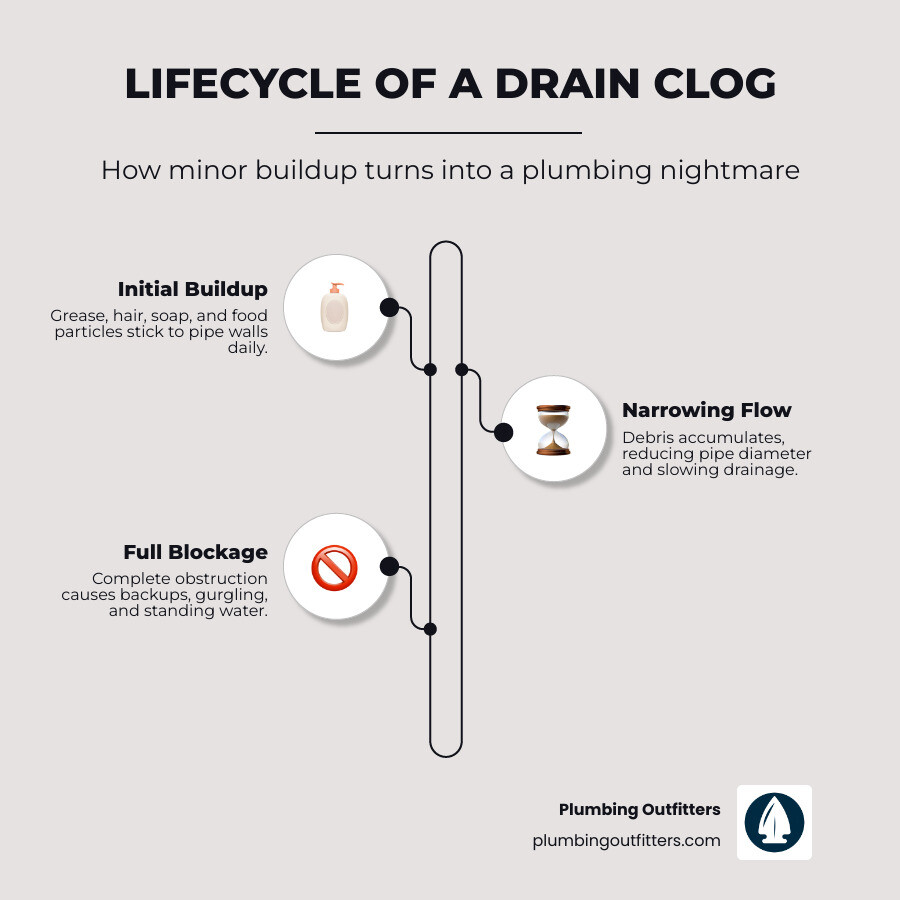
Drains handle a remarkable amount of daily abuse: grease, hair, soap scum, food particles, and more. Over time, that debris quietly coats the inside of your pipes, narrowing the flow and setting the stage for a sudden backup. And in Austin, local factors like hard water mineral deposits, clay soil shifts, and live oak tree roots make drains here especially vulnerable.
The good news? Catching the signs early makes all the difference.
7 Telltale Signs You Need Your Drains Cleaned Professionally
It is April 2026, and as we head into the busier spring and summer months here in Central Texas, your plumbing system is about to work overtime. Your pipes don’t usually fail overnight; they send out little distress signals first. If you are sitting there asking, “do I need my drains cleaned professionally?” keep an eye out for these seven red flags.
1. The “Slow Motion” Drain
If you find yourself standing in two inches of soapy water every time you take a shower, you have a problem. Slow drainage is the most common early warning sign of a clog. It means debris like hair, skin cells, and soap scum have narrowed the “throat” of your pipe. For more insight into this specific frustration, check out Why You Have Standing Water in Shower Drain and How to Fix It.
2. Gurgling and Glugging
Do your drains sound like they’re finishing a milkshake? Gurgling noises happen when air pockets are trapped by a partial blockage. As water tries to push past the “gunk,” air bubbles up and creates that distinct glugging sound. If you hear this in multiple fixtures, the blockage is likely deep in your main sewer line.
3. That “Something’s Rotten” Smell
Foul odors are a major red flag. When organic matter like food scraps or hair gets stuck in the P-trap (the U-shaped pipe under your sink), it begins to decompose. This creates a breeding ground for bacteria that release sulfur-like gases. If the smell persists after flushing with hot water, the buildup is too deep for a DIY fix.
4. The Arrival of Sewer Flies
Have you noticed tiny, furry, moth-like flies hovering around your kitchen or bathroom sink? These are drain flies (or sewer flies). They don’t just appear out of nowhere; they live and breed in the thick, slimy “biofilm” that accumulates in dirty pipes. If you have flies, you have a significant drainage issue that needs professional attention.
5. Standing Water
This is the stage beyond “slow draining.” When water simply refuses to move, the pipe is fully obstructed. Standing water is unsanitary and puts immense pressure on your pipe joints, which can lead to leaks behind your walls or under your floors.
6. Multiple Backups at Once
If you flush the toilet and water backs up into the shower, or if the kitchen sink gurgles when the washing machine drains, you aren’t dealing with a simple clog. This indicates a blockage in the main sewer stack or the line leaving your house. This is a plumbing emergency that requires an expert immediately. You can learn more about these “big picture” issues in our guide on 5 Common Signs You’re Having Sewer Problems.
7. The “Mystery” Lush Spot in the Yard
In the heat of a Texas summer, we all want a green lawn. However, if one specific patch of grass over your sewer line is suddenly much greener and lusher than the rest of the yard—or if the ground feels soggy despite no rain—you likely have a cracked sewer pipe. Tree roots often find these cracks, grow inside, and create massive blockages.
The Hidden Dangers of DIY and Chemical Cleaners
When a drain slows down, many homeowners reach for a bottle of liquid “magic” from the hardware store. We strongly advise against this. While these products are marketed as easy fixes, they often cause more drama than they solve.
| Feature | DIY Chemical Cleaners | Professional Cleaning |
|---|---|---|
| Effectiveness | Only melts a small hole through the clog. | Removes 100% of debris and buildup. |
| Pipe Safety | Corrosive chemicals can “cook” PVC and metal. | Safe, mechanical, or water-based methods. |
| Environmental Impact | Harsh toxins enter the water table. | Eco-friendly (especially hydro jetting). |
| Longevity | Clogs usually return within weeks. | Keeps pipes clear for 12-24+ months. |
| Health Risks | Toxic fumes and skin/eye irritants. | Completely safe for your family. |
The reality is that The Trouble with Liquid Drain Cleaners and Why You Should Avoid Them is significant. These liquids are heavier than water, so they often sit on top of a clog, generating intense heat. This heat can soften PVC pipes or eat through the glue at the joints, leading to hidden leaks inside your foundation. Plus, they rarely remove the “sludge” lining the pipe walls, meaning hair and grease will just get caught in the same spot again next week.
How Often Should I Schedule Professional Drain Maintenance?
So, do I need my drains cleaned professionally on a schedule? Ideally, yes. For most households in the Greater Austin area, we recommend a professional cleaning every 12 to 18 months.
However, several factors can shorten that window:
- Household Size: A family of five puts significantly more stress on a plumbing system than a single occupant. More hair, more soap, and more food waste mean faster buildup.
- Home Age: If your home was built before 1980, you likely have cast iron or clay pipes. These materials are prone to internal corrosion and “scaling,” which creates a rough surface that catches debris easily.
- Hard Water: Our local water is famously rich in minerals like calcium and magnesium. These minerals can form “scale” inside your pipes, narrowing the diameter over time just like cholesterol in an artery.
- Landscaping: If you have mature trees (like those beautiful Live Oaks) near your sewer lines, their roots are constantly searching for the nutrient-rich water inside your pipes.
By staying ahead of the game, you can implement the Best Ways to Prevent Clogged Drains and avoid the stress of a midnight plumbing emergency.
Why Austin Homeowners Ask: Do I Need My Drains Cleaned Professionally Every Year?
In cities like Round Rock, Georgetown, and Cedar Park, the environment plays a huge role in plumbing health. Our “black gumbo” clay soil expands and contracts with the Texas weather, which can cause pipes to shift or develop small cracks. Once a crack appears, tree roots find their way in.
Furthermore, we see a lot of “hard water” buildup in this region. Annual maintenance ensures that mineral scale is scoured away before it becomes a permanent part of the pipe. If you’ve been noticing a Slow Draining Sink? When It’s Time to Call a Pro is a question you’re asking more often, it’s a sign that the annual cycle is the right fit for your home.
Professional Methods That Restore Your Pipes
When we arrive at your home, we don’t just “poke a hole” in the clog. We use advanced technology to restore your pipes to like-new condition.
- Camera Inspections: We use high-definition waterproof cameras to see exactly what is happening inside your lines. This allows us to find cracks, root intrusions, or “bellies” in the pipe without digging up your yard.
- Motorized Augers: Often called “snakes,” these professional-grade tools use rotating blades to cut through tough obstructions like tree roots or heavy hair clogs.
- Hydro Jetting: This is the “gold standard” of drain cleaning. It uses highly pressurized water to scrub the interior walls of your pipes clean.
If you are curious about the process, you can read more about how we Say Goodbye to Blockages with Hydro Jet Drain Cleaning.
Using Hydro Jetting When You Need Your Drains Cleaned Professionally
Hydro jetting is essentially a pressure washer for the inside of your plumbing. While a traditional snake might just punch a hole through a grease clog, hydro jetting scours the entire circumference of the pipe.
There are 5 Advantages of Hydro Jetting that make it a favorite for our Austin customers, including the fact that it removes mineral scale and bacteria that cause odors. It is also one of the 5 Reasons Why Hydro Jetting is Great for the Longevity of Your Pipes, as it prevents the corrosive buildup that eventually eats through metal lines. For a deeper dive into the tech, see What is Hydro Jetting?.
Frequently Asked Questions about Drain Maintenance
How do I get rid of sewer flies in my bathroom?
Sewer flies are a symptom, not the problem. Pouring bleach down the drain won’t work because it doesn’t remove the thick sludge where they lay their eggs. To truly solve the issue, the pipes must be professionally cleaned to remove the organic buildup. For more tips, check out our guide on How to Get Rid of Drain Flies.
Why does my toilet gurgle when I run the shower?
This is a classic sign of a “venting” issue or a partial blockage in the main sewer line. When water flows down the shower drain, it pushes air ahead of it. If that air can’t get past a clog in the main line, it takes the path of least resistance — which is usually back up through the water in your toilet bowl, causing it to “burp” or gurgle.
Is professional drain cleaning safe for older pipes?
Yes, provided it is done by an experienced plumber. For very old, fragile pipes, we might choose a sectional auger or a lower-pressure hydro jetting setting. This is why a camera inspection is so important — it tells us exactly what material your pipes are made of and what condition they are in before we start.
Trust the Experts at Plumbing Outfitters
At Plumbing Outfitters, we understand that “drain drama” is the last thing you want to deal with. Whether you are in Austin, Pflugerville, Taylor, or West Lake Hills, we are here to provide “Texas Class Service” with upfront pricing and a neighborly touch. Our experienced plumbers treat your home like their own, ensuring your drains are clear and your mind is at ease.
If you’ve noticed any of the signs we’ve discussed, don’t wait for a flood. Have a Problem with Your Drains? A Professional Drain Cleaning Might Be in Order.
Ready to say goodbye to clogs? Schedule your professional drain cleaning today with Plumbing Outfitters!