
Is Your Plumbing a Ticking Time Bomb?
7 Warning Signs: How to Know if Your Pipes Need Replacing
Knowing how to know if your pipes need replacing could save you from a flooded kitchen, a contaminated water supply, or a repair bill that spirals out of control. Here are the most common signs to watch for:
- Discolored water – Brown, yellow, or reddish water points to rust and corrosion inside aging pipes
- Low water pressure – A sudden or gradual drop across multiple fixtures can signal buildup or hidden leaks
- Frequent leaks – If the same pipes keep failing, patching them is no longer enough
- Unusual noises – Banging, whistling, or gurgling in the walls often means pipes are under stress
- Foul odors – A musty or sewage smell can indicate cracked or failing drain lines
- Discolored or stained fixtures – Rust rings and greenish buildup around fittings are red flags
- Pipes past their lifespan – Galvanized steel lasts 20-50 years; copper 50-70+ years; if your home was built before the 1980s, your plumbing deserves a close look
Your home’s pipes do quiet, invisible work every single day. Most homeowners never think about them — until something goes wrong. A slow drain here, a brownish tint in the bathwater there. Easy to brush off. But those small signals are often your plumbing system telling you it’s running out of time.
Homes built before the 1970s are especially at risk. Most plumbing systems installed in that era are at or well past their expected lifespan. And for homes built before the 1980s, there’s an added concern: lead pipes, which pose serious health risks regardless of whether they’re actively leaking.
The good news is that catching the warning signs early gives you options. You can plan ahead, avoid emergencies, and make smart decisions about repair versus full replacement — before a small problem turns into a major disaster.

In our years serving the Greater Austin area, from the historic streets of Georgetown to the growing neighborhoods of Hutto and Cedar Park, we’ve seen it all. Plumbing systems don’t usually fail all at once in a dramatic explosion. Instead, they give off subtle “nudges” that something is wrong.
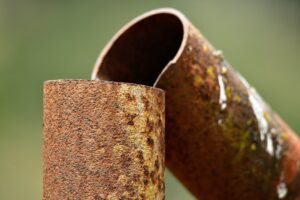
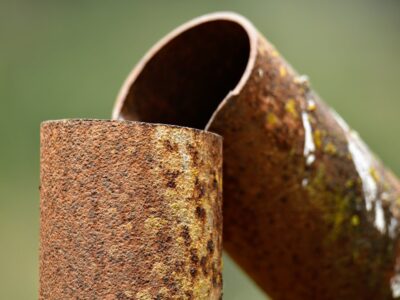
One of the biggest indicators is visible corrosion. If you can see your pipes in a garage, basement, or utility room, look for greenish-blue stains (on copper) or rust-colored flakes (on steel). If the outside looks crusty, the inside is likely much worse. Another major red flag is the frequency of repairs. If you have our team out to patch a leak in Pflugerville one month, and then another leak pops up in a different room three months later, you aren’t just dealing with bad luck—you’re dealing with a systemic failure.
In Texas, we also have to deal with specific environmental stressors. Our cycles of extreme heat followed by heavy rain cause the soil to expand and contract. This shifting earth is a leading cause of water main breaks and slab leaks. If you notice warm spots on your floor or a sudden spike in your water bill, your pipes under the foundation might be reaching their limit. For those dealing with these complex issues, understanding Repiping maintenance repair replacement is the first step toward a permanent solution.
Checking Water Quality: How to Know if Your Pipes Need Replacing
Your water should be clear, odorless, and tasteless. When your pipes begin to deteriorate, they literally start shedding their own material into your drinking water. If you turn on the tap in your Taylor or Round Rock home and see a reddish or brownish tint, that’s often rust flaking off the interior of old galvanized steel or iron pipes.
Beyond the color, pay attention to the taste. A metallic flavor is a classic sign of corroding copper or lead. You might also notice sediment buildup in your faucet aerators or at the bottom of a clear glass of water. This isn’t just a nuisance; it can stain your laundry and leave mineral spots on your dishes. Understanding Why is old copper piping such a problem for homeowners helps clarify why even “quality” materials eventually need an upgrade, especially when faced with the hard water common in Central Texas.
Monitoring System Performance: How to Know if Your Pipes Need Replacing
Performance issues are often the most frustrating part of aging plumbing. Have you noticed a “lava to glacier” effect in the shower? When someone flushes a toilet or starts the dishwasher, and your shower temperature swings wildly, it’s often because your pipes are so narrowed by mineral scale that they can’t maintain a balanced flow.
Low water pressure is another key indicator. If your kitchen sink in Bastrop has lost its “oomph,” or if it takes forever for hot water to reach the master bath in West Lake Hills, your pipes may be thinned out or clogged with decades of buildup. You might also hear “water hammer”—that loud banging or clanging sound when a valve shuts off. This happens when pipes lose their structural integrity or become unsecured. If you are seeing these performance drops, it might be time for Replacing your plumbing Austin Plumbing Outfitters to ensure your home runs efficiently again.
Understanding Pipe Materials and Their Lifespans
Knowing what your pipes are made of is half the battle. Every material has a “best before” date, and many homes in the Austin area are currently living on borrowed time.
| Pipe Material | Expected Lifespan | Common Issues |
|---|---|---|
| Galvanized Steel | 20–50 Years | Internal rust, narrowing, lead leaching |
| Copper | 50–70+ Years | Pinhole leaks from acidic water, thinned walls |
| PEX | 40–50 Years | Sensitive to UV light and high chlorine |
| PVC (Drainage) | 50–70 Years | Can become brittle over decades |
| Cast Iron (Sewer) | 50–100 Years | Corrosion, tree root intrusion, cracking |
| Polybutylene | 10–25 Years | High failure rate, prone to sudden bursting |
If your home was built between the 1970s and 1990s, you might have polybutylene pipes—a grey plastic material that was eventually discontinued because it was so prone to cracking. If you have “Poly,” we recommend replacement immediately, as these pipes are known to fail without any warning signs at all. For modern replacements, many homeowners are choosing Pex piping installation because it is flexible, durable, and highly resistant to the scale buildup that plagues older metal systems.

What to Expect During a Whole-House Repipe
The idea of repiping a whole house can feel overwhelming, but it is a standard process that we’ve streamlined to minimize disruption. It begins with a professional inspection where we map out your home’s “arteries.” We don’t just start tearing down walls; we strategically locate access points to reach the old lines.
During the process, we typically work in “zones.” This means we might shut off the water to the guest bathroom while keeping the kitchen functional. Most homeowners are surprised to learn that they can usually stay in their homes during the project. We route the new lines—often using flexible PEX which requires fewer holes in your drywall—pressure test the entire system to ensure it’s airtight, and then move on to the restoration phase.
A common question we get in places like Leander and Liberty Hill is: How long does a repipe take what homeowners should know. Generally, a whole-house project takes between 3 to 7 days, depending on the size of the home and the number of bathrooms. By the time we’re finished with the Repiping process, you’ll have better water pressure, cleaner water, and the peace of mind that comes with a system built for the next 50 years.
Frequently Asked Questions
Can I stay in my home during a repipe?
Yes! We know you have a life to lead. We organize our work so that you are never without water for more than a few hours at a time during the workday. We perform a daily cleanup to ensure your living space remains habitable. While there will be some noise and dust, most of our clients in the Greater Austin area find it completely manageable to stay put while we work.
Should I replace my pipes during a renovation?
Absolutely. If you are already planning to remodel your kitchen in Elgin or update a bathroom in Rockdale, that is the most cost-effective time to address the plumbing. Since the walls are already open, the labor involved in accessing and replacing the pipes is significantly reduced. It’s what we call “renovation synergy”—taking care of the “guts” of the house while you’re already doing the cosmetic work.
How do I know if I have lead pipes?
If your home was built before the 1980s, there is a chance you have lead pipes or lead solder. You can perform a simple “scratch test” on an exposed pipe: lead is a soft, dull grey metal. If you scratch it with a coin and it reveals a shiny, silver-colored surface, it’s likely lead. Because lead poses serious health risks, especially to children, we recommend immediate replacement. For residents in the city center, Repiping Austin Tx is often the best way to ensure your family’s water is safe.
Conclusion
Your plumbing system shouldn’t be a source of stress. Whether you’re in Manor, Pflugerville, or right in the heart of Austin, keeping an eye out for the signs of aging pipes is part of responsible homeownership. From discolored water to those annoying clanging sounds in the walls, your home is always talking to you—you just have to know how to listen.
At Plumbing Outfitters, we take pride in providing “Texas Class Service” to our neighbors. We believe in upfront communication and long-term solutions rather than quick patches that will fail in a few months. If you suspect your pipes are reaching the end of their lifespan, don’t wait for a “ticking time bomb” to go off. Proactive repiping is an investment in your home’s value and your family’s comfort. Give us a call today, and let’s make sure your plumbing is ready for the years to come.