

Don’t Get Into Hot Water Over Your Cold Shower
When Your Water Heater Fails, Your Whole Day Fails With It
Water heater problems signs and solutions every Austin homeowner should know about at a glance:
| Problem | Common Signs | Quick Solution |
|---|---|---|
| No hot water | Cold water from all taps | Check circuit breaker or pilot light; reset high-temp button |
| Not enough hot water | Runs out quickly | Flush sediment; check heating elements or thermostat |
| Strange noises | Rumbling, popping, banging | Flush tank to clear sediment buildup |
| Leaking water heater | Puddles or moisture around tank | Tighten connections; replace T&P valve; call a pro for tank leaks |
| Discolored or smelly water | Rusty, cloudy, or rotten egg odor | Replace anode rod; sanitize tank with hydrogen peroxide flush |
| Rising energy bills | Utility costs creeping up | Check thermostat setting (120°F); inspect heating elements; consider upgrade |
| Old unit | 10+ years old with frequent issues | Plan for replacement before failure strikes |
There is no worse way to start a morning than stepping into a cold shower. Your water heater works quietly in the background every single day — heating water for showers, dishes, laundry, and more — and most people never think about it until something goes wrong.
The good news? Most water heaters give you warning signs before they completely fail. Recognizing those signs early can save you from flooded floors, mold damage, and the stress of an emergency repair call. Whether you are dealing with lukewarm water, strange rumbling sounds, or a mysterious puddle forming around your tank, this guide walks you through the most common water heater problems and what you can do about them.
Common Water Heater Problems Signs and Solutions
When we think about our home’s plumbing, the water heater is often the “silent workhorse” tucked away in a closet or garage. However, as of April 2026, many homes in the Greater Austin area are seeing older units reach their breaking point. Understanding water heater problems signs and solutions is the first step in maintaining household comfort.
One of the most frequent issues we encounter is sediment buildup. In our region, minerals in the water can settle at the bottom of the tank, creating a thick layer of “scale.” This layer acts as a barrier between the burner and the water, making the unit work much harder and eventually causing the tank to overheat or even crack.
If you notice moisture or puddles, it’s time to look closer. A leaking water heater tank is often a sign of internal corrosion. While some leaks come from loose valves or fittings that we can easily tighten, a leak from the tank body itself usually means the unit has reached the end of its life. If you aren’t sure where the water is coming from, our Water Heater Services can help diagnose the source before it leads to major water damage.
Another simple check involves your thermostat settings. If your water is too hot or too cold, the thermostat might have been bumped or could be failing. We recommend keeping it set to 120°F. For gas units, a common culprit for a sudden loss of heat is the pilot light. If it goes out frequently, you may have a faulty thermocouple or a draft in the room. For electric units, a tripped circuit breaker is often the first thing to check. If these simple fixes don’t work, you may need to look for 5 Signs You Need a Water Heater Repair Expert to handle the more technical electrical or gas components.
Troubleshooting Water Heater Problems Signs and Solutions for No Hot Water
Waking up to an icy shower is a localized “emergency” in any household. When there is no hot water at all, the cause depends largely on whether you have a gas or electric system.
In electric water heaters, the problem often lies with the heating elements. Most tanks have two: an upper and a lower. If the upper one fails, you get no hot water at all. If the lower one fails, you’ll have some hot water, but it won’t last long. Another common electric issue is the high-temperature reset button (usually a red button located behind the access panel). If the water gets too hot, this “eco” switch trips to prevent a dangerous situation. You can try pressing it once to see if it restores power, but if it keeps tripping, there is an underlying electrical issue that needs professional attention.
For gas water heaters, check the gas valve and the pilot light. If the pilot won’t stay lit, the thermocouple—a small safety sensor—is likely worn out or covered in soot.
Sometimes, the issue isn’t a total lack of heat, but rather a lack of volume. If you find yourself asking, “Not Enough Hot Water? This Can Help,” the problem might be a broken dip tube. The dip tube is a plastic pipe that directs incoming cold water to the bottom of the tank to be heated. If it breaks, cold water stays at the top of the tank and mixes with the hot water heading to your shower, resulting in a lukewarm experience.
Identifying Water Heater Problems Signs and Solutions for Discolored Water
Is your water looking a bit “rusty” or smelling like a middle school science project? Discolored or smelly water is a major red flag.
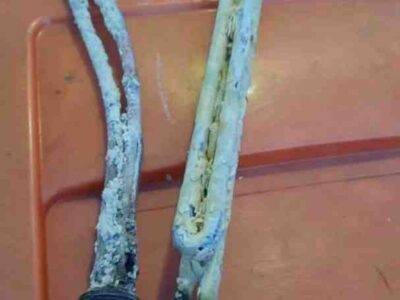
- Rusty Water: This often indicates that the inside of your tank is beginning to corrode. Every tank water heater has a sacrificial anode rod. This rod is designed to attract corrosive elements so they eat the rod instead of the tank. If the rod is completely dissolved, the tank is next.
- Smelly Water: A “rotten egg” or sulfur smell is usually caused by bacterial growth reacting with the magnesium in the anode rod. This is especially common in homes that use well water or have stagnant water in the tank.
If you are experiencing these issues, our Tank Water Heater Services can include an anode rod replacement or a hydrogen peroxide flush. A hydrogen peroxide flush is a safe way to sanitize the tank and kill the bacteria causing the odor without using harsh chemicals like bleach.
Why Is My Water Heater Making Strange Noises?
If your water heater sounds like it’s making popcorn or hosting a small construction crew, don’t ignore it. These strange noises are almost always caused by sediment accumulation at the bottom of the tank.
As sediment builds up, bubbles of water vapor get trapped underneath the layer of minerals. When the burner turns on, these bubbles “pop” as they escape through the sediment, creating rumbling, popping, or banging sounds. Not only is this annoying, but it also causes the metal tank to flex and stress, which can lead to premature leaks.
Extending a Water Heater’s Life starts with regular tank flushing. By draining the water and sediment out at least once a year, you prevent this scale buildup from hardening. If you hear a loud “thud” or “bang” when a faucet is turned off elsewhere in the house, that is likely “water hammer.” In this case, we might recommend a water hammer arrestor to protect your pipes and heater from sudden pressure spikes.
Evaluating System Longevity and Energy Efficiency
As we navigate 2026, energy efficiency is more important than ever. If your water heater is older, it might be costing you significantly more on your monthly utility bills than a newer, high-efficiency model would.
| Feature | Traditional Tank Heater | Tankless Water Heater |
|---|---|---|
| Average Lifespan | 8–12 Years | 15–20 Years |
| Efficiency | Standard | High (On-Demand) |
| Space Required | Large Footprint | Compact/Wall-Mount |
| Maintenance | Annual Flush | Annual Descaling |
The “10-year rule” is a good guideline for homeowners in Round Rock and Georgetown. If your unit is over a decade old and starts requiring frequent repairs, it’s usually more cost-effective to replace it. You can find more details on these indicators in our guide on 5 Signs to Replace Your Water Heater.
When considering a replacement, you have several options. High-efficiency units, like heat pump water heaters, can offer up to five times the efficiency of a standard electric tank. If you are debating between different energy sources, check out our comparison of Solar vs Electric Water Heater: Which One is Better? to see what fits your lifestyle and the Texas sun best.
The Risks of Ignoring Warning Signs
It can be tempting to ignore a small drip or a faint rumbling sound, but the risks of neglecting your water heater can be catastrophic. A failing unit is more than just an inconvenience; it can be a safety hazard.
The most common consequence of a neglected leak is water damage. A tank that bursts can dump 40 to 50 gallons of water into your home in minutes, leading to ruined flooring, mold growth, and structural damage to your walls or ceiling. If your heater is located in an attic or a finished closet, the damage can easily reach into the tens of thousands of dollars.
More importantly, there are safety risks. The Temperature and Pressure (T&P) relief valve is designed to release water if the internal pressure gets too high. If this valve fails or is capped off, the tank can literally explode. If you see water dripping from the T&P discharge pipe, it’s a sign that the valve is doing its job but that your system is under too much stress. Knowing What to Do When Your Water Heater is Leaking can help you act fast and avoid an emergency situation.
Routine Maintenance and When to Call a Professional
You don’t have to be a plumbing expert to take care of your water heater. A little bit of routine maintenance goes a long way in preventing the water heater problems signs and solutions we’ve discussed today.
- Annual Flushing: Drain your tank once a year to remove sediment. This keeps the unit quiet and efficient.
- Anode Rod Inspection: Check your anode rod every 3 to 5 years. Replacing a $30 rod is much cheaper than replacing a $1,500 tank.
- Pipe Insulation: Insulating the first six feet of hot water pipes can reduce heat loss and save on energy bills.
- T&P Valve Test: Carefully lift the lever on the T&P valve once a year to ensure it still opens and closes properly.
For those looking for seasonal advice, we have a list of Top Tips for Spring Water Heater Maintenance to help you get your home ready for the warmer months.
However, some things are best left to the pros. If you suspect a gas leak (smell of sulfur), see significant corrosion on the tank, or have an electrical issue that keeps tripping your breaker, it’s time to call in the experts. Whether you need a simple fix or are looking at Five Signs It’s Time to Replace Your Hot Water Heater, we are here to provide honest advice. We also specialize in modern upgrades through our Tankless Water Heater Services for those ready to move away from traditional tanks altogether.
Frequently Asked Questions about Water Heaters
How long do most water heaters last?
Most traditional tank water heaters last between 8 and 12 years. Factors like water hardness in the Austin area and how often the tank is flushed can impact this timeframe. Tankless water heaters generally last longer, often reaching 15 to 20 years with proper maintenance. As of April 2026, if your unit was installed before 2014, it is definitely time to start planning for a replacement.
What temperature should my water heater be set to?
The Department of Energy and most manufacturers recommend a setting of 120°F. This temperature is hot enough for comfortable showers and effective dishwashing while remaining low enough to prevent accidental scalding and improve energy efficiency. Setting it higher than 140°F can cause third-degree burns in seconds.
Why does my hot water smell like rotten eggs?
This odor is usually caused by sulfur-cycle bacteria that thrive in low-oxygen environments, like a water heater tank. These bacteria react with the magnesium anode rod to create hydrogen sulfide gas. Sanitizing the tank with a hydrogen peroxide flush and potentially switching to an aluminum or zinc anode rod can solve the problem.
Conclusion
Your water heater is essential to your daily routine, and keeping it in top shape doesn’t have to be a headache. By staying proactive and watching for the common signs of trouble—like strange noises, discolored water, or small leaks—you can ensure your family always has the hot water they need.
At Plumbing Outfitters, we are proud to serve the Greater Austin, TX area, including Round Rock, Pflugerville, Cedar Park, and beyond. We provide “Texas Class Service” with upfront pricing and a neighborly touch. Whether you need a quick repair or a full system replacement, our experienced team is ready to help.
Don’t wait for a cold shower to tell you there’s a problem. Contact us today for expert Water Heater Services and keep your home running smoothly!