

Decoding Your Water Heater’s Weird Noises
What Your Water Heater’s Strange Noises Are Telling You
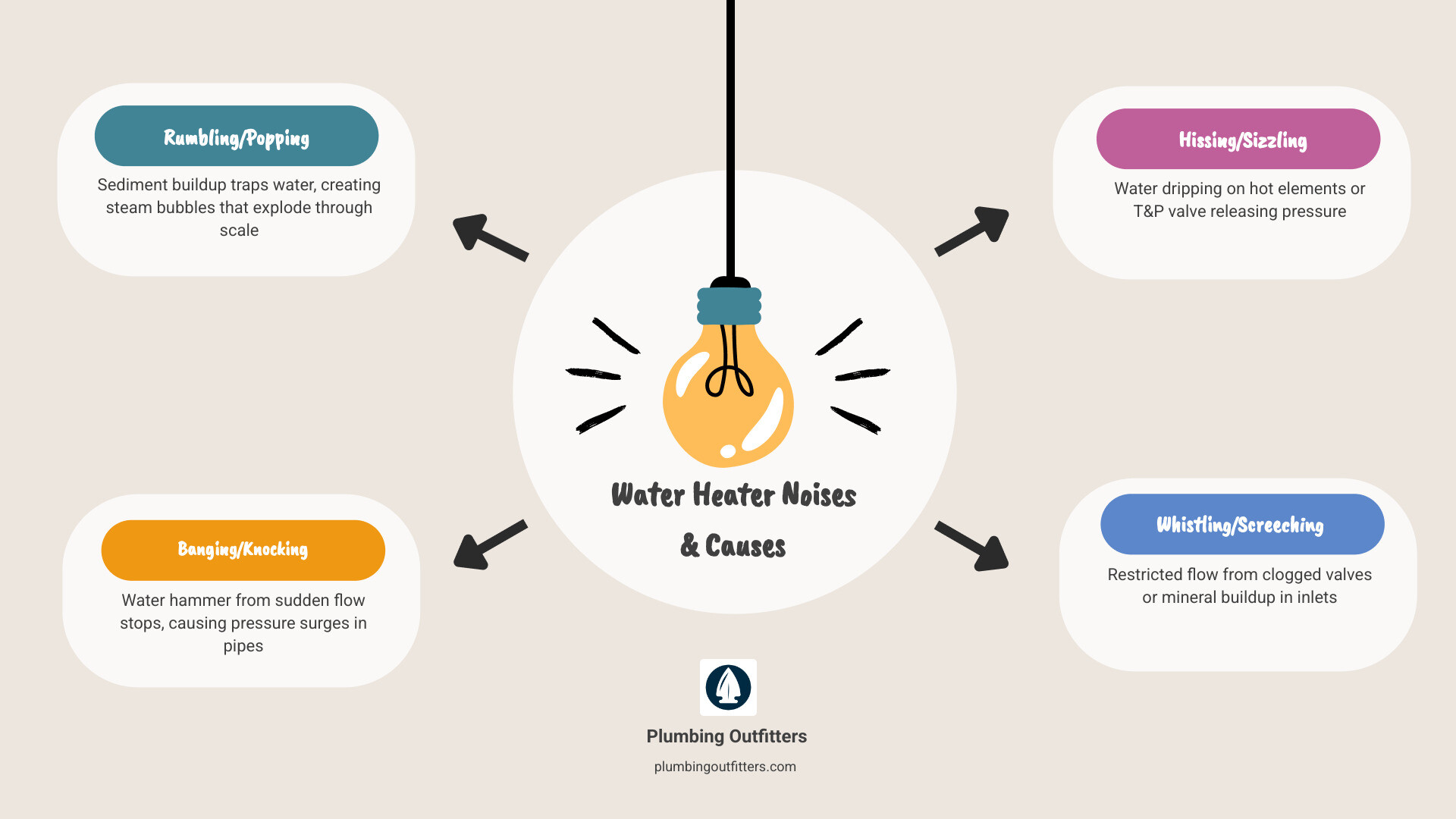
Water heater making strange noises causes range from minor sediment buildup to serious pressure problems — and knowing the difference can save you from a costly breakdown. If your unit is rumbling, popping, hissing, or banging, here’s a quick look at what’s most likely going on:
- Rumbling or popping – Sediment or mineral scale has built up at the bottom of the tank, trapping water that turns to steam and forces its way through
- Banging or knocking – Water hammer, caused by a sudden stop or change in water flow direction, creating a pressure surge through your pipes
- Hissing or sizzling – Water dripping onto a hot electric heating element, or a temperature and pressure relief (T&P) valve releasing excess pressure
- Whistling or screeching – Restricted water flow through a partially closed valve or mineral-clogged inlet
- Humming – A loose heating element vibrating inside an electric water heater
- Ticking or clicking – Normal thermal expansion of metal pipes as they heat and cool, or heat trap nipples doing their job
- Crackling – Condensation dripping onto a gas burner, often harmless but worth monitoring
Most of these noises are your water heater signaling that something needs attention — not necessarily an emergency, but not something to ignore either. According to the U.S. Department of Energy, a well-maintained water heater uses up to 15% less energy, and regular cleaning can keep it running 15-20% more efficiently. That means those strange sounds aren’t just annoying — they’re likely costing you money every month they go unaddressed.
Austin homeowners face a particular challenge here. The city’s water registers between 120 and 180 parts per million in hardness, which accelerates sediment buildup and can shorten a water heater’s lifespan from the typical 8-12 years down to just 8-10 years. If you’re hearing unusual sounds, your water heater is probably working harder than it should be.
Read on for a full breakdown of each noise type, what’s causing it, and exactly what to do about it.
Common Water Heater Making Strange Noises Causes
When we step into a home in Round Rock or Pflugerville to investigate a noisy unit, the culprit is almost always “The Big S”: Sediment. But while sediment is the most frequent offender, it isn’t the only reason your utility room sounds like a percussion ensemble.
In the Greater Austin area, we deal with significantly hard water. With mineral content ranging from 120 to 180 ppm, our local water is packed with calcium and magnesium. As this water heats up, those minerals crystallize and settle at the bottom of your tank. Over time, this creates a thick layer of “scale” that acts like a thermal blanket between the burner (or element) and the water it’s trying to heat.
Beyond minerals, thermal expansion plays a huge role. As water heats, it expands in volume. If that pressure has nowhere to go, it can cause the tank to flex or pipes to rattle. This is especially common in “closed” plumbing systems where a check valve or pressure-reducing valve prevents water from expanding back into the city main.
To help you narrow down the search, we’ve put together a quick comparison of how these causes differ based on the type of fuel your system uses. For more detailed information on traditional systems, you can explore our tank water heater services.
Noise Comparison: Gas vs. Electric Water Heaters
| Noise Type | Common in Gas Units? | Common in Electric Units? | Primary Cause |
|---|---|---|---|
| Rumbling | Yes | Yes | Heavy sediment buildup on the tank floor. |
| Popping | Yes | Yes | Steam bubbles bursting through mineral scale. |
| Sizzling | Yes (Condensation) | Yes (Heating Element) | Water hitting a hot surface or element. |
| Humming | No | Yes | Vibration of a loose heating element. |
| Crackling | Yes | No | Condensation dripping onto the burner. |
| Whistling | Yes | Yes | Restricted flow or air in the lines. |
Identifying Rumbling, Popping, and Banging Sounds
If your water heater sounds like it’s making popcorn or hosting a small thunderstorm, you aren’t imagining things. These are the most common complaints we hear from our neighbors in Cedar Park and Leander. While they sound scary, they usually point to a maintenance issue rather than an immediate explosion risk.
Why sediment is a water heater making strange noises causes
Think of sediment as a layer of sand and rock sitting at the bottom of your tank. When the gas burner at the bottom kicks on, it has to heat through that rock to get to the water. This creates several problems:
- Steam Pockets: Water gets trapped underneath the sediment layer. As it reaches the boiling point, it turns into steam. That steam forms bubbles that eventually “pop” or “explode” as they fight their way through the sediment to reach the rest of the tank. This is the “popping” sound you hear.
- Tank Vibration: In severe cases, the movement of these steam bubbles is so violent that it causes the entire tank to vibrate, leading to a deep rumbling sound.
- Efficiency Loss: Because the heater has to work twice as hard to penetrate the scale, your energy bills climb. It also causes the bottom of the tank to overheat, which can weaken the steel and lead to premature failure.
Extending a water heater’s life starts with managing this buildup. If left alone, that popping sound will eventually turn into a leak as the tank’s internal lining cracks under the stress of overheating.
Water hammer and pressure surges
If you hear a loud “THUD” or banging sound specifically when a faucet is turned off or the washing machine finishes a cycle, you’re likely dealing with water hammer.
When you suddenly stop the flow of water, that moving energy has to go somewhere. In many Austin homes, the pipes aren’t properly secured with pipe straps, or the home lacks a functional thermal expansion tank. This causes the pipes to physically jerk and slam against your wall studs or the water heater itself.
- The Fix: We often recommend installing a water hammer arrestor. This small device contains a spring-loaded cushion that absorbs the shock of the water, protecting your joints and silencing the bang.
- Expansion Tanks: If the banging happens while the water is heating (and no faucets are being used), your thermal expansion tank might be “waterlogged” or failed. This puts immense stress on your water heater’s internal tank.
High-Pitched Screeching and Hissing Noises
High-pitched sounds are often the most annoying. They can range from a tea-kettle whistle to a sound that resembles a jet engine taking off in your garage. These usually indicate a pressure or flow restriction.
Restricted flow as a water heater making strange noises causes
A screeching or whistling sound is almost always the result of water being forced through a very small opening. If you’ve ever whistled with your lips, you know the concept!
- Partially Closed Valves: Check the cold water inlet valve at the top of the heater. If it’s even slightly closed, it can create a high-pitched “singing” noise.
- Scale in the Nipples: The “nipples” are the pipes that connect the heater to your home’s plumbing. In hard water areas like Georgetown or Hutto, calcium can build up inside these connections, narrowing the path for water.
- High Pressure: If your home’s pressure-reducing valve (PRV) has failed, the water pressure entering your home might be too high, causing a whistling sound as it screams through the heater’s internal components.
If you’re noticing these sounds along with a drop in temperature, not enough hot water this can help you diagnose if the restriction is affecting your overall supply.
Sizzling and condensation issues
Hissing or sizzling is a “wet” sound. It sounds like a drop of water hitting a hot frying pan—because that’s often exactly what’s happening.
In Electric Heaters: If the lower heating element becomes buried in sediment, it can overheat and cause the surrounding water to sizzle. More concerningly, a hissing sound in an electric unit can mean a small leak is dripping water directly onto the hot element. This is an electrical hazard and should be addressed immediately.
In Gas Heaters: When a gas water heater is first fired up, or if it’s located in a chilly garage in Liberty Hill during a Texas cold snap, condensation can form on the outside of the tank and drip onto the burner. This creates a “sizzling” or “crackling” sound. While a little condensation is normal, a constant sizzle might indicate a tank leak.
If you’re debating an upgrade to avoid some of these tank-specific issues, check out our guide on tankless vs tank water heater what s the difference to see which fits your Austin home better.
Maintenance and DIY Troubleshooting Steps
We believe in empowering our neighbors. While some repairs require a licensed pro, there are several steps you can take to quiet a noisy unit and prevent water heater making strange noises causes from taking root.
- The Annual Flush: This is the single most important thing you can do. By attaching a garden hose to the drain valve at the bottom of the tank, you can wash out the “sand” and “pebbles” before they harden into scale. For the best results, we recommend flushing every six months in high-mineral areas like Taylor or Pflugerville.
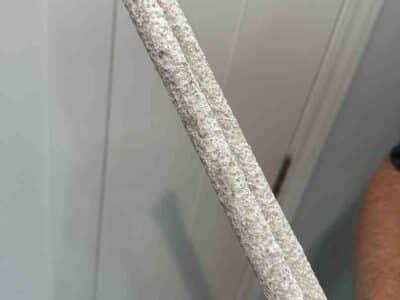
- Check the Anode Rod: This “sacrificial” rod hangs inside the tank and attracts corrosive elements so they eat the rod instead of your tank. If the rod is completely gone, your tank is next. We suggest an inspection every 2-3 years.
- Test the T&P Valve: The Temperature and Pressure Relief valve is the most important safety feature on your heater. Gently lift the lever to ensure water flows out and then stops completely when you release it. If it’s crusty or won’t move, it needs replacement.
- Adjust the Temperature: Many manufacturers ship heaters set to 140°F, but we recommend 125°F. This is hot enough to kill bacteria but cool enough to slow down mineral buildup and prevent scalding.
For a seasonal checklist, see our top tips for spring water heater maintenance.
When to Repair vs. Replace Your Unit
It’s the age-old question: do I fix it or toss it? In the Greater Austin area, the average tanked water heater lasts about 10 years. If your unit is 12 years old and sounding like a freight train, a repair might just be throwing good money after bad.
- Repair it if: The unit is under 8 years old, the noise is a simple fix (like a loose heating element or a quick flush), and the tank itself isn’t leaking.
- Replace it if: The tank is leaking from the bottom, the noise persists after a professional flush, or the unit is over 10-12 years old.
Tankless units are a different breed. They can last upwards of 20 years because they don’t store water, which significantly reduces the “rumbling” caused by sediment. However, they still need annual descaling to keep the heat exchanger quiet.
If you’re unsure, here are five signs its time to replace your hot water heater. And if you wake up to a puddle, don’t panic—just follow our guide on what to do when your water heater is leaking.
Frequently Asked Questions
Is a noisy water heater dangerous?
Generally, no. Most noises are just signs of inefficiency. However, there are three sounds that should send you to the shut-off valve:
- Loud, persistent screeching: This could mean your pressure is dangerously high.
- Hissing combined with the smell of gas: This indicates a gas leak. Shut off the gas and call us immediately.
- Violent banging and shaking: This could mean the T&P valve is failing to release pressure.
If you’re worried, check out these 5 signs you need a water heater repair expert.
How often should I flush my water heater in Austin?
Because of our hard water, we recommend an annual flush at a minimum. If you live in an area like Granger or Rockdale where the water is particularly mineral-heavy, a six-month interval is even better. Regular flushing prevents that “popping” sound from ever starting.
Can a noisy water heater increase my energy bills?
Absolutely. When sediment builds up, it acts as an insulator. Your burner has to stay on longer to heat the water through the “crust” at the bottom. This can lead to a 15-20% drop in efficiency. If you’re noticing your gas bill creeping up along with the noise, it’s time for a service.
If the bill is too high and the unit is old, you might want to look into gas water heater replacement what you need to know.
When to Call Plumbing Outfitters for Water Heater Repairs
A noisy water heater isn’t just a nuisance; it’s a cry for help from one of your home’s most hardworking appliances. Whether it’s Austin’s hard water causing sediment rumbling or a pressure surge creating water hammer, most water heater making strange noises causes can be diagnosed and fixed with the right expertise.
At Plumbing Outfitters, we’ve spent years helping our neighbors in Manor, Elgin, and West Lake Hills keep their hot water flowing quietly and efficiently. We pride ourselves on delivering “Texas Class Service” with upfront pricing and a neighborly touch. We aren’t just here to fix a pipe; we’re here to ensure your home remains the comfortable sanctuary it’s meant to be.
Don’t let a “pop” turn into a “flood.” If your water heater is acting up, or if you just want to get ahead of the minerals with a professional flush, contact us for professional water heater services today. We’ll get your system back to its silent, efficient self in no time!