


The Hidden Role of Roof Vents in Slow-Draining Showers
The hidden role of roof vents in slow-draining showers explains why clear drains still back up. Stop using chemicals and see when to call a pro for help.
Responsible Master Plumber · TX Master Plumber License M-41984
The Frustration of a Clear Drain That Refuses to Flow: The Hidden Role of Roof Vents in Slow-Draining Showers
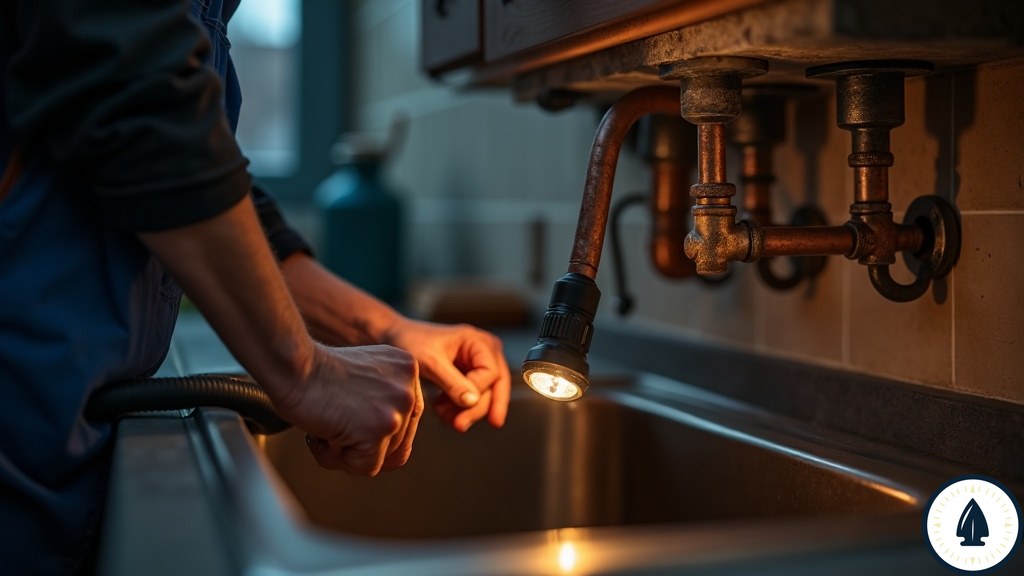
The hidden role of roof vents in slow-draining showers becomes painfully obvious when you find yourself standing in ankle-deep water, even though you know the drain itself is completely clear. You notice the water pooling around your feet. You unscrew the drain cover, expecting to find a massive tangle of hair or a buildup of soap scum. You shine a flashlight down into the pipe, and you might even run a plastic drain snake into the P-trap. The result? You pull up absolutely nothing. The pipe looks completely unobstructed, yet the water still drains painfully slow or gurgles with every passing minute.
This is one of the most frustrating scenarios a homeowner can face, and at Plumbing Outfitters, our dispatchers field calls about this exact mystery every single week. You are repeatedly trying to clear a drain that isn't actually blocked at the fixture level. Most people assume that if water isn't moving down, there must be a physical barrier directly in its path. However, plumbing systems are deeply interconnected ecosystems. The root cause of your standing water is often completely out of sight, located far above your bathroom ceiling.
Before you resort to harsh measures or start tearing apart your bathroom fixtures, you need comprehensive plumbing services to evaluate the entire system's airflow. A residential drainage system relies on more than just gravity to move wastewater away from your home; it relies heavily on atmospheric pressure.
The Visual Inspection Trap
Homeowners frequently fall into the visual inspection trap. Because the shower is the lowest point in the bathroom, our plumbers typically see it as the first place symptoms of a broader system failure show up. The P-trap—the curved section of pipe directly beneath your drain—is designed to hold a small amount of water to block sewer gases from entering your home. When you verify that this trap is free of hair and debris, you have ruled out a local clog. If the water still refuses to flow, the problem has shifted from a physical blockage in the water line to a critical failure in the air line.
Why Your Plumbing System Needs to Breathe
To understand why a clear pipe won't drain, you have to look at the physics of plumbing ventilation. Every plumbing system operates on a precise balance of gravity and air pressure. Our team often explains it to customers by comparing it to a simple drinking straw. If you place a straw into a glass of water, cap the top of the straw tightly with your finger, and lift it out of the glass, the liquid stays trapped inside the straw. The water wants to fall due to gravity, but because no air can enter from the top to replace the water, a vacuum is created. The moment you remove your finger, air rushes in, and the water flows freely out the bottom.
Your home's drainage system works exactly the same way. When you take a shower, a large volume of water rushes down the drain pipe. As that water descends, it pushes air ahead of it and leaves a void behind it. If new air cannot enter the pipe behind the falling water, a negative pressure vacuum forms. This vacuum physically holds the water back, leading directly to the frustrating task of resolving a shower drain clogged with standing water.
The Code Behind the Airflow
Because airflow is so critical to sanitation and drainage, the International Plumbing Code (IPC) mandates strict ventilation rules. Every single fixture in your home—from the smallest bathroom sink to the largest master shower—must have access to a vent pipe. These vent pipes tie into a main vent stack that runs vertically through your walls and exits through your roof.
When this vital air supply is cut off, the negative pressure vacuum does more than just slow down your shower. It actively seeks air from the path of least resistance. Often, the system will literally suck the water backward out of your P-traps, which is exactly why you hear strange gurgling sounds from nearby sinks or toilets while the shower is running.
| Plumbing Condition | Airflow Status | Resulting Drainage Behavior |
|---|---|---|
| Properly Vented System | Unrestricted air enters through the roof vent | Water flows rapidly; P-traps remain full and silent |
| Partial Vent Blockage | Airflow is restricted but not entirely stopped | Slow draining; occasional gurgling from nearby fixtures |
| Total Vent Blockage | Zero air enters the system; severe vacuum forms | Standing water in clear drains; empty toilet bowls; sewer gas odors |
How Texas Summers and Mature Trees Suffocate Your Pipes
If the vent stack on your roof is the primary intake for the air your drainage system requires, what stops that air from getting in? The answer usually lies in the regional climate and the environment immediately surrounding your home. In our years of serving Central Texas communities, our team at Plumbing Outfitters has found that homes with mature trees overhanging the roofline are highly susceptible to ventilation failures. The open PVC or cast-iron pipes sticking out of your roof are prime targets for nature's debris.
While tree leaves are a year-round nuisance, there is a very specific peak summer hazard that plagues local homeowners. During the cooler spring months, small animals and birds frequently seek the safety and warmth of open vent pipes to build their nests. By the time peak summer hits in July, these abandoned spring bird nests completely dry out. The extreme heat bakes the mud, twigs, and grass into a solid, impenetrable plug that completely seals off the vent stack.
The July Squeeze: Nests and Storms
The combination of dried nests and severe summer weather creates a perfect storm for plumbing failures. Severe summer thunderstorms, characterized by high winds and heavy downpours, easily snap dead branches from overhanging live oaks. These twigs, along with loose leaves and roofing materials, get blown directly into uncovered or damaged vent stacks. Because the vent pipe goes straight down into your walls, this debris instantly cuts off the system's air supply.
- Live Oak Debris: The small, tough leaves and twigs from Central Texas live oaks easily bypass standard vent screens, accumulating at the first bend in the pipe.
- Dried Spring Nests: What was a soft bird nest in April becomes a rock-hard blockage by July, requiring physical extraction.
- Summer Storm Blowback: High-velocity winds can force loose shingles, dirt, and heavy debris deep into the vertical stack.
Because this blockage happens entirely out of sight, homeowners rarely suspect the roof when their ground-floor shower stops draining. They blame the soap, the shampoo, or the pipes themselves, completely unaware that their plumbing system is simply suffocating.
Telltale Signs Your Roof Vent is Blocked
Differentiating between a local hair clog and a whole-house ventilation failure requires knowing exactly what to look (and listen) for. Because the vent stack serves multiple fixtures, a blockage on the roof rarely isolates its symptoms to a single drain.
We recently helped a new homeowner who experienced a similar pattern of widespread frustration. After moving into their new house, they called our team because they noticed slow draining water in their lavatories and tub simultaneously. While our technicians traced their specific non-emergent issue during that spring move-in to localized buildup that we quickly cleaned, the simultaneous failure of multiple drains is exactly how a blocked vent behaves. When the whole system is gasping for air, the symptoms spread across the bathroom.
The Airflow Diagnostic Checklist
If you suspect your plumbing is suffering from a lack of air rather than a physical pipe clog, look for these definitive symptoms:
- Gurgling sounds: You hear a distinct "glug-glug" noise from the toilet or bathroom sink when the shower is draining. This is the system literally gasping for air and pulling it through the water in nearby P-traps.
- A completely clear P-trap: You have visually inspected and snaked the shower drain, finding no hair or soap buildup, yet standing water persists.
- Multiple slow fixtures: The shower, the sink, and the bathtub all drain painfully slowly at the exact same time, indicating a shared systemic issue rather than an isolated clog.
- Sewer gas odors: You occasionally smell a foul, rotten-egg odor inside the home. This happens because the negative pressure vacuum has sucked the protective water barrier out of your P-traps, allowing sewer gases to drift indoors.
- Empty toilet bowls: After running a large volume of water in the bathtub or shower, you notice the water level in the nearby toilet bowl has dropped significantly or emptied entirely.


The Danger of Misdiagnosing Airflow as a Pipe Clog
In our experience repairing damaged pipes across Central Texas, the most common—and often most destructive—mistake we see is a homeowner aggressively treating an airflow problem as if it were a physical pipe clog. When the shower won't drain, the immediate reflex is to head to the hardware store and purchase industrial-strength chemical drain cleaners. This is a critical decision point where a simple issue can turn into expensive damage.
Pouring chemical drain cleaners down a clear drain is entirely ineffective when the actual blockage is a dried bird nest sitting 20 feet up on your roof. The chemicals will simply pool in the standing water of your shower's P-trap, accomplishing absolutely nothing to restore the system's airflow.
The Chemical Trap and Safety Hazards
Beyond being ineffective, these chemicals are highly caustic. When they sit stagnant in slow-moving water, they generate intense chemical heat. Over time, this heat and acidity will degrade PVC pipes, corrode older cast-iron lines, and damage the protective finishes on your shower floor. You are actively damaging the integrity of your plumbing system to fight a clog that doesn't even exist in that pipe.
Furthermore, once a homeowner realizes the issue might be on the roof, the next dangerous impulse is DIY inspection. Roof access is inherently dangerous. Navigating a pitched roof to clear a vent stack without professional fall-protection gear and proper training puts you at severe risk of injury. Never attempt to climb your roof with a garden hose or a snake to clear a vent. When the plunger and basic trap-cleaning fail, it is time for professional drain cleaning to safely evaluate the system from the ground up.
Comprehensive Diagnostics: Treating the Whole Plumbing Ecosystem
Treating a slow drain requires more than just showing up with a motorized auger. A commodity "snaking" service might blindly run a cable down your shower drain, charge you for the visit, and leave you with the exact same gurgling problem the next day. True plumbing repair requires a comprehensive diagnostic approach that evaluates the entire plumbing ecosystem.
At Plumbing Outfitters, we differentiate our service by diagnosing the root cause of the failure. We understand that a plumbing system is heavily interconnected. Just as our technicians might discover a completely hidden solution when fixing a customer's persistent hose leak, evaluating a slow drain often requires looking past the obvious symptoms. We test the system for negative pressure, monitor how fixtures interact with one another, and determine if the system is suffering from air starvation.
The Diagnostic Process
When airflow is identified as the culprit, our professionals have the equipment and training to safely access roof vents. We can remove deep obstructions—like baked-on summer bird nests or compacted live oak leaves—without damaging the PVC stack or the surrounding roof shingles.
Finding these hidden solutions simplifies the job and protects your home. Restoring the airflow permanently solves the slow-drain issue, preventing unnecessary teardowns of bathroom floors or walls in a futile search for a pipe clog. If your shower is holding water despite a clear drain, don't pour another bottle of chemicals down the line. Instead, contact our plumbing team to restore the vital airflow your system needs to function properly.
Frequently Asked Questions
Why is my shower draining slow but not clogged?
If your shower is draining slowly but the P-trap is clear of hair and debris, your plumbing system is likely suffering from a lack of airflow. Without proper ventilation from the roof stack, a negative pressure vacuum forms inside the pipes, physically holding the water back and preventing it from flowing down the sewer line.
How do you know if your plumbing vent is clogged?
The most common signs of a clogged plumbing vent include gurgling sounds from nearby sinks or toilets when the shower is running, slow drains across multiple fixtures simultaneously, and occasional sewer gas odors. You may also notice the water level in your toilet bowl dropping inexplicably after running a large amount of water.
Can a clogged vent pipe cause a slow drain?
Yes, a clogged vent pipe is one of the primary causes of a slow drain that doesn't involve a physical blockage. Plumbing systems require atmospheric air to equalize pressure; without it, the water creates a vacuum as it tries to descend, severely slowing down the drainage process.
Why does my toilet gurgle when the shower is running?
Your toilet gurgles because the drainage system is starved for air and is actively pulling air through the water in the toilet's P-trap. As the shower water rushes down the main line, it creates negative pressure. If the roof vent is blocked, the system sucks air from the path of least resistance, which is usually the nearby toilet.
Is it safe to clean my own plumbing roof vent?
No, attempting to clean your own plumbing roof vent is highly dangerous due to the severe fall hazards associated with climbing on a pitched roof. Licensed professionals use proper safety equipment and specialized diagnostic tools to clear vent stacks without risking personal injury or damaging the roof structure.
How do animals and debris get into plumbing vents?
Plumbing vents are open pipes that exit through your roof, making them vulnerable to environmental debris. Overhanging tree branches can drop leaves and twigs directly into the pipe, while birds and small animals frequently use the open stacks to build nests during the cooler spring months, which later dry out and block airflow.
Ready to find your way out of plumbing trouble?
Call the Outfitters or request service online — a real team member will guide you through the next steps. No dispatch fee, free estimates, same-day service across Taylor, TX and beyond.