


Preparing Temple Pier-and-Beam Homes for Fall Moisture and Pipe Condensation
Preparing Temple pier-and-beam homes for fall moisture and pipe condensation is key. See why we insulate under-house pipes before cooler nights arrive.
Responsible Master Plumber · TX Master Plumber License M-41984
The Hidden Threat of Early Autumn Temperature Swings
At Plumbing Outfitters, we receive countless calls every September from homeowners who walk across the living room and notice a faint, musty odor drifting up through the floorboards—a clear sign that preparing Temple pier-and-beam homes for fall moisture and pipe condensation needs to be your top priority. The transition out of a Central Texas summer is notoriously unpredictable. While daytime temperatures often remain hot and humid, sudden September/early fall temperature drops introduce unusually cool nights. This dramatic shift creates a hidden but highly destructive atmospheric trap directly beneath your living space. As the humid air meets the rapidly cooling environment under your house, excessive pipe sweating begins to form on exposed water lines.
If you want to protect your home's foundation and water lines from chronic moisture damage, securing professional bathroom plumbing services alongside comprehensive plumbing services in Temple is the most effective proactive step you can take.
The September Climate Shift
Most homeowners associate plumbing threats with the deep freezes of January and February. However, the early autumn transition brings its own unique set of challenges to Central Texas. The problem begins because the soil beneath your home retains the intense heat and moisture from late summer thunderstorms. When the evening air temperature plummets, the exposed plumbing network in an open crawlspace acts as a catalyst for condensation. In our experience, this isn't just a minor nuisance; it is a concrete problem that can lead to severe wood rot, rusted pipe fittings, and compromised structural integrity if left unaddressed.
Making the Decision to Protect Your Home
The decision point is clear: you can either wait until damp insulation and sagging floor joists require massive structural repairs, or you can address the environment proactively with professional fall plumbing maintenance. Our local plumbing professionals understand these regional architectural quirks intimately. We know exactly how the local climate interacts with exposed pipes and can implement targeted insulation strategies before the heavy condensation cycle begins.
The Physics of Pipe Sweating Under Your Floorboards
To truly understand why your crawlspace feels like a damp cavern by October, we have to look at the science of the dew point. Condensation occurs when the surface temperature of an object falls below the dew point of the surrounding air. In the context of your plumbing system, cold water is constantly running through your supply lines. When that cold pipe is surrounded by the warm, humid air typical of a Central Texas autumn, the air immediately surrounding the pipe cools rapidly.
The Dew Point Trap
Because cold air cannot hold as much moisture as warm air, the excess water vapor has nowhere to go but onto the surface of your pipes. This creates the perfect atmospheric trap. The lingering high humidity combined with sudden nighttime temperature drops turns your plumbing network into a massive dehumidifier, pulling water out of the air and depositing it directly onto your metal or PEX lines.
- Cold groundwater: As water travels from deep underground mains, it remains significantly cooler than the ambient air temperature.
- Humid air intrusion: Warm, moisture-laden air flows freely through the vents of an open crawlspace.
- Surface condensation: The clash of temperatures forces water vapor to revert to a liquid state on the pipe's exterior.
- Continuous dripping: The accumulated water eventually succumbs to gravity, dripping steadily into the soil and onto wooden supports.
The "Slow Leak" Illusion
One pattern our team at Plumbing Outfitters sees often is homeowners mistaking heavy pipe condensation for an active plumbing failure. Because the condensation is continuous, it mimics a slow plumbing leak. It drips steadily into the soil, creating mud puddles beneath the house and raising the overall relative humidity of the crawlspace. This constant moisture cycle accelerates the degradation of foundation materials.
Fall Condensation vs. Winter Freezing
A major gap in typical home maintenance advice is the intense focus on winterization while completely ignoring the September/early fall temperature drops. Here is how the two distinct threats compare:
| Seasonal Threat | Primary Mechanism | Resulting Damage | Required Action |
|---|---|---|---|
| Fall Condensation | Humid air meeting cold pipe surfaces | Wood rot, mold, rusted exterior fittings | Vapor retarder insulation and moisture control |
| Winter Freezing | Ambient air dropping below freezing | Expanded water bursting the pipe walls | Thermal insulation and wind blocking |


Why Temple's Historic Architecture is Uniquely Vulnerable
Temple boasts a rich architectural history, with many neighborhoods featuring beautiful, older homes built on pier-and-beam foundations. While these structures offer incredible character and easier access to utilities, Temple pier-and-beam crawlspaces are exceptionally vulnerable to seasonal moisture shifts. Unlike modern homes built on concrete slabs, which bury the plumbing lines in earth and concrete, pier-and-beam homes leave their entire plumbing network suspended in the open air.
The Challenge of Exposed Plumbing
In a slab foundation, the earth and concrete provide a massive thermal buffer. The temperature of the pipes changes very slowly. In a pier-and-beam home, the exposed plumbing reacts almost instantly to the ambient air temperature. If you have ever noticed warm spots on your hardwood floors in a slab home, you know that concrete transfers heat differently than an open air gap. In a crawlspace, that lack of a thermal buffer means your pipes are completely at the mercy of the weather.
Local Expertise for Central Texas Foundations
Working with a team that has deep local expertise in Central Texas foundation types means your home is evaluated based on its specific architectural needs. Generic plumbing advice often fails to account for the unique vulnerabilities of older housing stock in Temple, Taylor, and surrounding areas. Historical building practices relied heavily on natural ventilation to keep crawlspaces dry. However, with the introduction of modern air conditioning—which cools the floors from above—we've seen how the dynamics of crawlspace moisture have fundamentally changed.
Modern Upgrades for Historical Homes
Because the floors above are kept cool by modern HVAC systems, the crawlspace environment is now cooler than the builders originally intended. This shift necessitates modern moisture management upgrades. Without proper vapor barriers and professional-grade pipe insulation, the historical charm of a pier-and-beam home can quickly be overshadowed by the structural nightmare of persistent wood decay and mold growth.
Identifying the Early Warning Signs of Crawlspace Condensation
Catching excessive pipe sweating before it causes permanent damage requires vigilance during the seasonal transition. Homeowners with Temple pier-and-beam crawlspaces should be on the lookout for early warning signs as soon as the late summer heat begins to break. Early detection is the difference between a simple insulation upgrade and a massive structural repair project.
Sensory Clues You Shouldn't Ignore
Your senses are often the first line of defense against moisture issues. Pay attention to changes in your home's environment:
- Musty odors: A damp, earthy smell seeping up through the floorboards or out of HVAC registers is a classic sign of standing water or mold in the crawlspace.
- Unusually damp soil: If the ground around your home's skirting is wet and muddy, but there has been no recent rain, condensation may be dripping heavily from the pipes above.
- Spongy floorboards: Hardwood floors that begin to cup or feel slightly soft underfoot indicate that moisture is migrating upward from the crawlspace.
Performing a Safe Visual Inspection
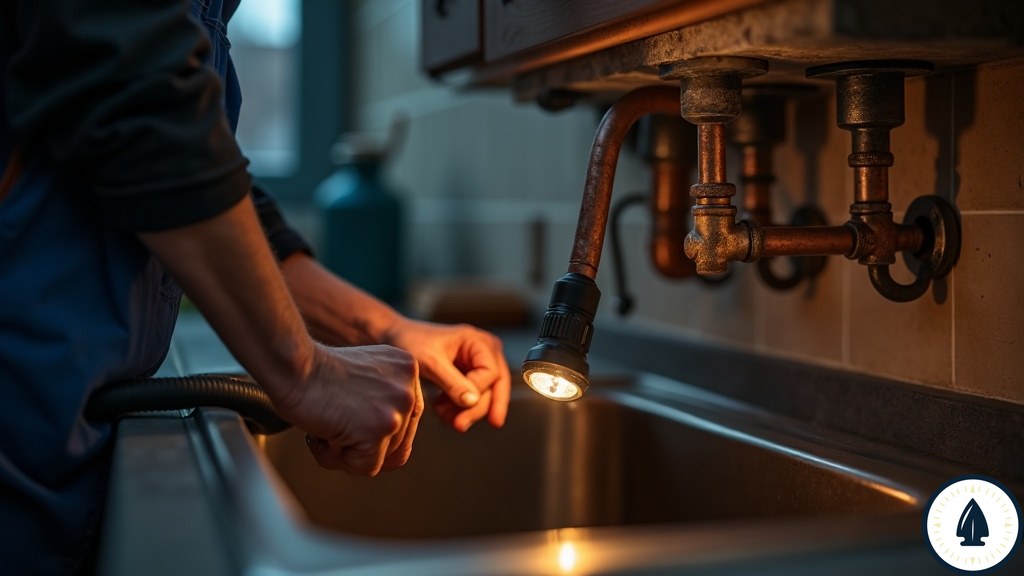
While you should never attempt DIY repairs on professional plumbing installations, you can safely perform a visual check. Use a strong flashlight to look under the home through an access door or vent. What to look for: Look for water droplets clinging to the underside of the pipes, dark water stains on the wooden joists directly beneath the plumbing, or early rust formation on metal fittings and hangers. Do not pull on the pipes or disturb existing insulation during your inspection.
Secondary Structural Signs
Sometimes the signs of crawlspace condensation show up inside the living space. You might notice localized high humidity inside the home, causing windows to fog up in the morning. You may also see doors beginning to stick or swell as the relative humidity of the house rises. These secondary signs indicate that the moisture problem beneath the floor has grown large enough to impact the entire home's microclimate.
Professional Insulation Strategies for Exposed Plumbing
When you discover sweating pipes, the instinct is often to head to the hardware store for a quick fix. However, mitigating the effects of September/early fall temperature drops requires professional-grade materials and precise installation. Standard foam tubes simply do not provide the necessary vapor barrier to stop condensation in a highly humid environment.
The Role of Closed-Cell Insulation
Professional plumbers utilize closed-cell elastomeric pipe insulation. Unlike open-cell foam, which can act like a sponge and absorb moisture from the air, closed-cell insulation acts as a strict vapor retarder. It creates a continuous thermal break between the cold surface of the water pipe and the warm, humid air of the crawlspace. This prevents the humid air from ever reaching the dew point on the metal surface.
Why Hardware Store Foam Tubes Fall Short
Standard polyethylene foam tubes from a hardware store often fail because they are designed for basic thermal protection, not severe moisture control. Furthermore, if they are not sealed perfectly by a licensed technician, humid air will bypass the foam through the seams. Once moisture gets trapped between the cheap foam and the pipe, it accelerates corrosion drastically, making the problem worse than if the pipe had been left bare.
The Professional Installation Process
If you are looking for reliable plumbers in Belton or Temple to handle this issue, you will find that our professional process is meticulous. Our technicians at Plumbing Outfitters measure the exact outer diameter of the pipes to ensure a snug fit with no air gaps. We carefully cut and fit the insulation around complex joints, elbows, and valves. Most importantly, we use specialized adhesives to seal every seam permanently. This dual-purpose professional application not only prevents fall condensation but also perfectly prepares the plumbing network for the brutal winter freezes that follow months later.
Managing Crawlspace Vapor Barriers and Ventilation
Insulating the pipes is only half of the moisture management equation. To fully protect Temple pier-and-beam crawlspaces, the broader environment under the home must be addressed. A properly installed vapor barrier works in tandem with professional pipe insulation to control the crawlspace microclimate and prevent systemic moisture damage.
The Science of Vapor Barriers
The soil beneath your home constantly releases moisture vapor into the air. A professional vapor barrier—typically a thick, durable polyethylene sheet spread across the crawlspace floor—traps this moisture before it can evaporate into the space above. By significantly lowering the ambient humidity in the crawlspace, you reduce the workload on your pipe insulation and protect the wooden subfloor from absorbing excess water.
The Great Crawlspace Vent Debate
One of the most common debates among Texas homeowners is whether crawlspace vents should be open or closed during the autumn transition.
- The case for open vents: Allows natural breezes to flush out stagnant air, which was the historical method for drying out pier-and-beam homes.
- The case for closed vents: Prevents warm, humid outside air from entering the cooler crawlspace and condensing on the pipes and HVAC ducts.
The short answer is that there is no one-size-fits-all rule. It depends entirely on your home's specific humidity levels, drainage, and whether the space is partially or fully encapsulated.
Applying ASHRAE Principles to Your Home
Industry guidelines, such as those established by ASHRAE (American Society of Heating, Refrigerating and Air-Conditioning Engineers), emphasize the importance of managing soil moisture evaporation at the source. A professional assessment is crucial to determine if full encapsulation (sealing the vents and conditioning the air) or targeted ventilation with a heavy-duty vapor barrier is the right choice for your specific property. Guesswork in this area often leads to trapped moisture and accelerated rot.
Frequently Asked Questions About Fall Plumbing Maintenance
Why do my cold water pipes sweat in the fall?
Pipe sweating occurs because the groundwater flowing through your pipes remains quite cool, chilling the metal or PEX surface. Meanwhile, the ambient crawlspace air during the early fall is often warm and highly humid. When this warm air contacts the cold pipe, it reaches its dew point, causing the airborne moisture to condense into liquid water on the surface of the plumbing.
How do you stop condensation on water pipes under a house?
The most effective method to stop condensation is having professionals install high-quality, closed-cell insulation. This specialized material acts as a strict vapor barrier, preventing the humid crawlspace air from ever touching the cold surface of the pipe. Proper installation requires exact measurements and perfectly sealed seams to ensure no air gaps remain.
Should crawl space vents be open or closed in fall in Texas?
Whether you should open or close your vents depends heavily on your specific crawlspace humidity levels and whether the area is encapsulated. In many cases, opening vents on a warm, humid fall day actually introduces more moisture into the cooler crawlspace, worsening condensation. A professional assessment is recommended to determine the best ventilation strategy for your specific foundation.
How do I protect pipes under my pier and beam house from moisture?
Protecting your pipes requires a comprehensive, dual approach to moisture management. First, the pipes themselves must be wrapped in professional-grade, sealed insulation to prevent sweating. Second, the ground moisture must be managed by installing a heavy-duty vapor barrier over the soil to stop continuous evaporation into the crawlspace air.
Can pipe condensation cause actual water damage?
Yes, chronic pipe sweating can cause severe and expensive water damage over time. The continuous condensation mimics a slow plumbing leak, dripping steadily onto wooden floor joists and the surrounding soil. If left unmanaged, this constant moisture leads to advanced wood rot, aggressive mold growth, and the structural degradation of your home's foundation.
Secure Your Home's Foundation and Plumbing This Season
The peace of mind that comes from proactive moisture management cannot be overstated. By addressing the hidden threats in Temple pier-and-beam crawlspaces before the heavy condensation cycles take their toll, you protect your home's structural integrity and ensure your plumbing network remains secure. Identifying these risks early prevents costly structural repairs, stops aggressive wood rot, and keeps your water lines free from corrosion.
If you suspect your pipes are sweating or you want to ensure your crawlspace is prepared for the changing seasons, schedule a professional inspection with Plumbing Outfitters today. Clear guidance and expert insulation strategies are exactly what you need to keep your home safe, dry, and structurally sound year-round.
Ready to find your way out of plumbing trouble?
Call the Outfitters or request service online — a real team member will guide you through the next steps. No dispatch fee, free estimates, same-day service across Taylor, TX and beyond.