
Coming home after a long day, all you want is a relaxing hot shower. But what happens when your water isn’t clear, and you notice brown water from hot water faucets or yellowish water in your shower? It’s unsettling, but in most cases, discolored water doesn’t indicate a major health hazard.
Discolored water is a common problem that many homeowners face, and it can affect both hot and cold water. If you’ve ever asked yourself, “Why is my bath water brown?” or “Why is my shower water yellow?” this guide will help you identify the causes, understand safety concerns, and find solutions to restore clean water in your home.
While investigating why your bath water is brown, it’s a good idea to ensure all your plumbing fixtures and household systems are working properly to prevent minor problems from escalating.
Common Causes of Discolored Shower and Bath Water
Rust in the Water Supply
One of the primary causes of discoloration in hot water is rust or sediment stirred up in your water supply. This can occur if there is a nearby main break, construction work, or natural sediment accumulation over time. If water coming from all taps in your home is discolored, the problem is likely in the municipal water supply.
Sediment and iron particles are naturally present in water. Modern water treatment systems filter most of these out, but disturbances in pipes can temporarily cause noticeable discoloration. When you notice brown water from your hot water faucet across multiple faucets, checking with your local water supplier may clarify if the issue is widespread.
Rusty Home Plumbing
If you notice brown water only after the water has sat in your pipes for a while, your home’s plumbing may be the culprit. Older homes with galvanized steel or iron pipes often experience corrosion, which leads to discolored water.
When rust builds up inside pipes, it can mix with water, creating brown or yellowish water in showers and baths. Typically, if your water clears after running for a few minutes, the cause is likely rusty pipes in your home. Replacing old pipes or installing modern plumbing solutions can prevent repeated occurrences.
If your home has older piping, a professional inspection can help maintain consistent water flow and identify hidden issues beneath your floors or walls.
Issues With Faucets or Showerheads
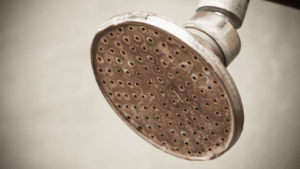
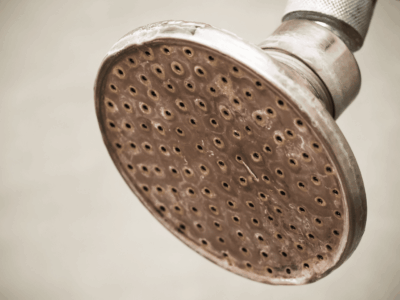
Sometimes the problem isn’t your supply or pipes but the fixture itself. If brown water from hot faucets appears only at a specific tap, shower, or bath, it may indicate rust or sediment buildup inside the faucet or showerhead. Over time, minerals can accumulate in fixtures, especially if they are metal, which may give your water a brown or yellow tint. Replacing worn-out fixtures or checking connected appliances can improve water flow and prevent small buildups that affect water clarity.
Regular cleaning or replacement of faucets and showerheads can resolve this issue. Flushing fixtures and installing aerators or filters can also prevent sediment from affecting your water quality.
Water Heater Sediment
Water heaters are a common source of brown water in hot water. Over time, sediment, rust, and mineral deposits settle at the bottom of the tank. This is particularly common in homes with hard water. If your bath water is brown only when using hot water, the water heater is likely the source. Regular maintenance or upgrading to a modern heating system can reduce sediment buildup and keep your water clear and consistent.
Flushing the tank regularly can remove sediment and restore clear water. In some cases, a full water heater replacement may be necessary, especially if the tank is old or heavily corroded. Upgrading to a tankless water heater can also prevent future sediment buildup while saving space and energy.

Is Discolored Water Safe?
Many homeowners worry when they see discoloration in hot water or notice their bath water is brown. Generally, this water isn’t toxic. The iron that causes the discoloration occurs naturally in drinking water, and small amounts are usually harmless.
However, large quantities of iron in water can affect your blood’s iron balance, so it’s best to avoid drinking discolored water. Rusty water can also corrode plumbing pipes, which may lead to leaks, mold, or bacterial growth over time. Addressing discolored water promptly protects both your plumbing and your family’s health.
How to Prevent and Eliminate Brown Water
Flushing Pipes
If your brown water is temporary, flushing your pipes can help. Run cold water in all faucets for several minutes to clear sediment from the pipes. This is often effective when water discolored by the supply system is the issue.
Installing Water Filters
A high-quality water filter can reduce minerals, rust, and sediments that discolor water. Filters installed at key points, such as your main supply or under the sink, provide cleaner water and prevent brown water from appearing in your bath or shower. Adding professional filtration solutions at key access points can remove sediment and minerals before they reach your taps.
Water Heater Maintenance
Regular maintenance of your water heater is crucial. Flushing the tank yearly removes sediment and extends the life of your heater. In homes with older water heaters or persistent discoloration in hot water, replacement or upgrading to a tankless system can ensure a continuous supply of clean, clear water.
Replacing Rusted Pipes and Fixtures
For homes with older plumbing, replacing rusty pipes and upgrading faucets can solve long-term discolored water problems. New plumbing reduces corrosion, improves water flow, and ensures your bath and shower water remains clear. Our technicians can also evaluate concealed lines or check for small leaks to maintain overall system performance.
Why Discolored Shower and Bath Water Happens Repeatedly
If you notice that your bath water or your shower water is discolored on a regular basis, several factors could be causing it. Hard water, high iron content, aging pipes, and water that sits in rarely used lines can all contribute. Morning discoloration after pipes sit overnight is common and usually points to rust in home plumbing. If brown water from hot water faucets persists throughout the day, it’s time for a professional plumbing inspection.
How Plumbing Outfitters Can Help
At Plumbing Outfitters, we understand how frustrating discoloration in hot water or bath water can be. We specialize in diagnosing the root cause of discolored water and providing lasting solutions. Whether it’s flushing and repairing your water heater, replacing old pipes, or installing modern faucets, our team has the expertise and experience to restore clean water in your home.
Serving Taylor, Texas, and surrounding areas, we combine professional craftsmanship with customer-focused service. Our licensed technicians bring decades of combined experience to every job, ensuring that your plumbing issues are handled efficiently and reliably. If you have been asking, “Why is my bath water brown?” contact us today for a professional plumbing consultation or schedule water heater service with our team.

Taking Action Quickly Matters
Discolored water isn’t just an aesthetic issue; it can damage your plumbing and affect your home’s health over time. Ignoring discoloration in hot water or yellowing shower water can lead to corroded pipes, leaks, mold, and bacterial growth. Addressing the issue promptly saves you money and prevents more serious problems down the line.
If you notice brown water from hot water faucets, your bath water is brown, or your shower water is yellow, act quickly. Start by identifying the source—whether it’s the water supply, plumbing, fixtures, or water heater. Then, schedule a professional plumbing service to fix the issue.
Our team can inspect your plumbing, evaluate your water heater, and provide targeted solutions. We also offer services that keep your entire water system functioning optimally, from bathroom fixtures to pressure and drainage maintenance.
Additional Tips for Homeowners
- Run your cold water for several minutes before using hot water if pipes have sat unused.
- Schedule annual water heater flushing and inspection.
- Consider replacing faucets or showerheads showing rust buildup.
- Install a whole-home water filter if your water has high iron content.
- Keep a record of when discoloration occurs to help your plumber diagnose the issue.
By understanding why there is discoloration, you can take proactive steps to prevent recurring problems. Proper maintenance, timely inspections, and professional help make all the difference in maintaining clean, clear water throughout your home.
Restore Clear Water Today
Discolored water doesn’t have to be a persistent problem. Plumbing Outfitters is ready to help. Our team of licensed professionals can assess, repair, and upgrade your plumbing to ensure your water stays clear and safe.
Don’t wait for minor issues to turn into major repairs. Contact us today to schedule a plumbing service appointment or request water heater maintenance and experience the difference professional care makes. Clean water is essential for comfort, health, and peace of mind, and we’re here to make that a reality for every home we serve.