
When to Use Hydro Jetting vs a Drain Snake: Quick Answer
Knowing when to use hydro jetting vs a drain snake can save you time, money, and a lot of frustration — especially when the same drain keeps backing up every few months.
Here’s the short version:
| Situation | Best Method |
|---|---|
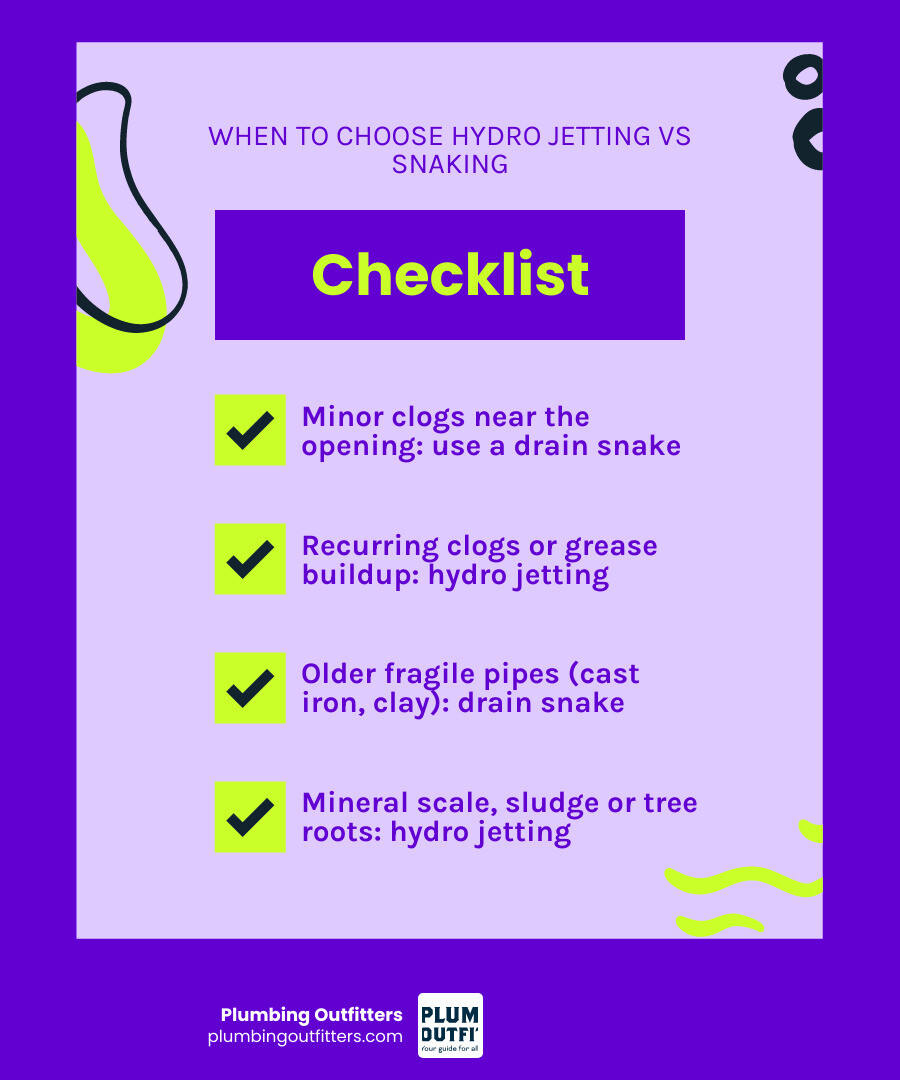
| Minor, one-time clog near the drain opening | Drain snake |
| Hair, soap scum, or small debris | Drain snake |
| Older or fragile pipes (cast iron, clay tile) | Drain snake |
| Recurring clogs in the same drain | Hydro jetting |
| Grease buildup, mineral scale, or sludge | Hydro jetting |
| Tree root intrusion in sewer lines | Hydro jetting |
| Whole-system preventive maintenance | Hydro jetting |
| Commercial or high-use properties | Hydro jetting |
Both methods clear blocked drains — but they work in completely different ways, and using the wrong one can leave you right back where you started. A drain snake is a mechanical tool that punches a path through a clog. Hydro jetting uses high-pressure water to scrub the entire inside of a pipe clean. One creates a temporary opening. The other restores the pipe closer to its original condition.
For homeowners in Central Illinois — especially in Bloomington-Normal and the surrounding McLean County area — recurring clogs are often tied to aging pipes, hard water mineral buildup, or root intrusion from mature trees. That’s exactly the kind of situation where knowing the difference between these two methods really matters.
What is the Difference Between Hydro Jetting and Snaking?
At their core, drain snaking and hydro jetting represent two entirely different philosophies of drain care. Think of it this way: snaking is like poking a hole through a snowdrift so you can crawl through, while hydro jetting is like operating a snowblower that clears the entire driveway from edge to edge.

When we clear a pipe, our goal is to restore proper flow. A drain snake relies on mechanical clearing to puncture, grab, or break apart an obstruction. It has been a reliable staple of the plumbing industry for decades because it is straightforward and highly effective for localized blockages.
Hydro jetting, on the other hand, is a modern, high-tech method that uses high-pressure water to scour the interior pipe walls. Instead of simply pushing through the debris, hydro jetting strips away years of grease, sludge, and mineral deposits, returning the pipe to near-original flow capacity.
To fully understand What is Hydro Jetting?, it helps to look at how these two methods stack up side-by-side:
| Feature | Drain Snaking | Hydro Jetting |
|---|---|---|
| Primary Action | Mechanical drilling and grabbing | High-pressure water scouring |
| Pipe Wall Cleaning | Minimal (leaves residue behind) | Maximum (removes 95-100% of buildup) |
| Best For | Simple, localized clogs (hair, paper) | Heavy grease, scale, roots, and sludge |
| Result Longevity | Temporary (clogs can reform quickly) | Long-lasting (keeps pipes clear 4-6 times longer) |
| Risk Level | Low (safe for most old pipes) | Moderate (requires professional inspection first) |
How Drain Snaking Works
A drain snake — also known as a plumbing wire or drain auger — consists of a long, flexible steel cable with a corkscrew-shaped tip or cutting head. The plumber feeds this cable directly into the drain opening or a cleanout. Once the cable reaches the blockage, the plumber rotates the cable (either manually with a hand crank or using a motorized machine).
This rotation allows the corkscrew tip to hook onto the clog or drill directly through it. When the cable is pulled back, it brings the snagged debris — such as hair clumps or wet wipes — out of the pipe.
While this is incredibly effective for pulling out solid objects, it does have a significant limitation. Because the metal cable is much thinner than the pipe itself, it only clears a path as wide as the snake’s tip. It does not clean the pipe walls. If your pipe is lined with thick grease or mineral scale, the snake will simply punch a small hole through the center. Over time, new debris will catch on the remaining residue, which explains How Clogs Form and How to Prevent Them for Good.
How Hydro Jetting Works
Hydro jetting is a far more comprehensive cleaning process. The system uses a specialized machine equipped with a heavy-duty hose and a multi-directional nozzle. This system pumps water through the line at incredible pressures, typically ranging from 3,000 to 4,000 PSI (pounds per square inch). For severe commercial blockages, some industrial jetters can even reach up to 5,000 PSI or more.
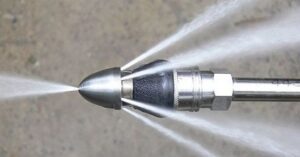
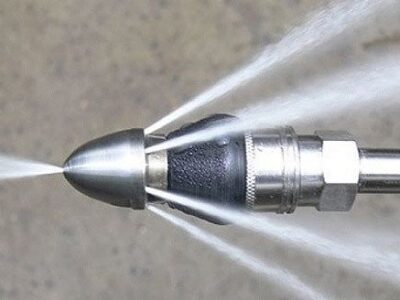
The secret to its effectiveness lies in the design of the nozzle. The nozzle features a single forward-facing jet that blasts through blockages ahead of it, combined with multiple rear-facing jets. These rear jets serve two purposes: they propel the hose forward through the pipe and spray the interior pipe walls at an angle, thoroughly descaling the pipe.
As the hose moves through the line, the high-pressure water cuts through tree roots, pulverizes hardened grease, and washes away mineral buildup. This complete scouring action is why understanding How Hydro Jetting Works to Clear Stubborn Clogs is so important for homeowners dealing with chronic drain issues. It doesn’t just clear a path; it washes the entire mess down the sewer main.
When to Use Hydro Jetting vs a Drain Snake
Choosing the right tool for the job depends on several key factors: the severity of the clog, the age and material of your pipes, and whether you are dealing with a one-time nuisance or a chronic plumbing nightmare.
In our service areas across Greater Austin — including Georgetown, Cedar Park, Round Rock, and Pflugerville — we encounter a wide variety of plumbing systems. Older homes in historic districts may have fragile clay tile or cast iron lateral lines, while newer developments in areas like Hutto or Leander feature modern PVC.
Additionally, Central Texas is notorious for its extremely hard water, which carries high concentrations of dissolved minerals. This mineral content leaves behind a stubborn rock-like scale inside your plumbing lines over time. When deciding Is Hydro Jetting Better Than Snaking for Your Clogged Pipes?, these local environmental factors play a massive role.
When to Use Hydro Jetting vs a Drain Snake for Minor Blockages
For simple, everyday plumbing issues, the traditional drain snake remains the reigning champion. If you drop a small object down the bathroom sink, or if your shower drain is draining slowly due to a buildup of hair and soap scum, a drain snake is the ideal choice.
Snaking is highly effective for:
- Single-fixture clogs: When only one sink, tub, or toilet is backed up, the clog is almost certainly localized and close to the drain opening.
- Fragile or aging pipes: Older homes built before the 1970s often feature cast iron or clay pipes. These materials degrade over time, making them brittle. A mechanical snake is much gentler on these delicate systems than high-pressure water.
- Quick, budget-friendly solutions: For a simple, isolated blockage, snaking offers a fast and reliable fix without the setup time and advanced diagnostics required for hydro jetting.
If you are dealing with a standard bathroom clog caused by hair and bath products, there is no need to bring out the heavy-duty water pressure. Snaking will get your water flowing again quickly and safely.
When to Use Hydro Jetting vs a Drain Snake for Severe or Recurring Clogs
When a drain clog moves past a simple hairball and becomes a recurring headache, it is time to upgrade to hydro jetting. If you find yourself snaking the same kitchen sink or main sewer line every few months, the snake is only treating the symptom, not the underlying disease.
Hydro jetting is the superior choice for:
- Heavy grease accumulation: Kitchen sinks, especially in commercial restaurants or homes with heavy cooking habits, accumulate thick layers of animal fats and cooking oils. A snake will only poke a temporary hole through grease, which will quickly reseal. Hydro jetting emulsifies and washes the grease away entirely.
- Stubborn mineral scale: The hard water of Central Texas leaves behind calcium and magnesium deposits on the inside of your pipes. This scale roughens the pipe walls, catching hair and debris. Hydro jetting descales the pipe, restoring its smooth interior.
- Tree root intrusions: Tree roots are drawn to the warmth and moisture of sewer lines. They creep through pipe joints, creating a dense web that catches waste. While a snake can cut a small hole through roots, they will grow back rapidly. Hydro jetting, especially when equipped with specialized root-cutting nozzles, shears the roots clean off the pipe walls.
Investing in thorough cleaning means you can Say Goodbye to Blockages with Hydro Jet Drain Cleaning, ending the cycle of repeated emergency plumbing visits.
Pipe Safety, Camera Inspections, and Prevention
Before we perform any high-pressure drain cleaning, safety must come first. High-pressure water is an incredibly powerful force. While it is perfectly safe for solid, modern pipes, it can cause catastrophic damage if used on the wrong pipe in the wrong condition.
This is why we always begin our process with a high-definition sewer camera inspection. By feeding a waterproof camera down your sewer line, we can see exactly what is causing the blockage, where it is located, and — most importantly — what condition your pipes are in.
For detailed insights into how we evaluate your lines, check out our Hydro Jetting Services Austin TX Guide. A camera inspection removes all the guesswork, ensuring we never apply high-pressure water to a pipe that cannot handle it.
Assessing Pipe Integrity Before Service
As pipes age, they undergo structural changes. Cast iron pipes can suffer from severe corrosion, rusting from the inside out and leaving the pipe walls thin and flaky. Clay tile pipes, common in older homes, can crack or shift due to the expansive clay soil found in areas like Leander and Bastrop.
If we were to run a hydro jetter at 4,000 PSI through a severely corroded cast iron pipe or a cracked clay line, the immense pressure could cause the pipe to collapse entirely. In those delicate situations, a motorized drain snake with a soft touch is the much safer alternative.
However, if the camera inspection reveals that your pipes are structurally sound — even if they are older — we can safely proceed. Our experienced plumbers can adjust the water pressure to match the specific pipe material and age. When done correctly on healthy pipes, there are at least 5 Reasons Why Hydro Jetting is Great for the Longevity of Your Pipes, including the fact that it removes corrosive organic buildup that would otherwise continue to eat away at your plumbing.
Proactive Maintenance for Long-Term Results
The best way to handle a plumbing emergency is to prevent it from happening in the first place. Rather than waiting for sewage to back up into your tubs and sinks, proactive homeowners use hydro jetting as a preventative tool.
For residential properties, scheduling hydro jetting every 2 to 3 years keeps your main sewer lines running flawlessly. If your property is surrounded by mature live oaks or pecan trees, or if you live in an area with particularly severe hard water, annual maintenance is highly recommended.
Additionally, installing a whole-home water softener can drastically reduce the rate of mineral scale formation in your pipes. By combining smart water treatment with regular maintenance, you protect your home from water damage. For a complete look at how to protect your plumbing system, read Don’t Wait for the Clog: A Guide to Regular Drain Maintenance.
Frequently Asked Questions About Drain Clearing
Is hydro jetting safe for older clay or cast iron pipes?
Yes, but only after a thorough video camera inspection. If the cast iron or clay pipes are structurally sound and free of major cracks or collapses, hydro jetting is completely safe when performed by a trained professional.
Our licensed plumbers carefully adjust the jetter’s PSI settings and select specific nozzles designed to clean older materials gently. By removing the rough scale and organic debris that trap waste, hydro jetting actually reduces the stress on older lines. To learn more about the safety and benefits of this method, check out the 5 Advantages of Hydro Jetting.
How long do the results of hydro jetting last compared to snaking?
On average, the results of hydro jetting last 4 to 6 times longer than traditional drain snaking.
Because a drain snake only punches a temporary hole through a blockage, grease and scale remain on the pipe walls, allowing new clogs to form in as little as 3 to 6 months. Hydro jetting cleans the entire pipe diameter, restoring original flow. A professionally jetted residential sewer line typically remains completely clear for 2 to 5 years, depending on tree root activity and household habits.
Can I perform hydro jetting as a DIY project?
We strongly advise against attempting to hydro jet your own drains. While you can rent pressure washers with sewer jetting attachments at local home improvement stores, these consumer-grade machines lack the precise pressure controls and specialized safety features of professional equipment.
Operating a hydro jetter requires specialized training. If the nozzle is mismanaged, the high-pressure water can easily cut through skin, rupture older pipes, or blow dirty sewage backward out of your toilets and drains, causing massive property damage. To protect your home and your safety, always leave hydro jetting to licensed, insured professional plumbers.
Conclusion
When it comes to keeping your home’s plumbing system flowing smoothly, there is no one-size-fits-all solution. Traditional drain snaking remains a fantastic, cost-effective tool for clearing out simple, localized blockages like hair or paper in a single fixture. But when you are facing stubborn grease, heavy mineral scale, tree roots, or chronic clogs that keep coming back, hydro jetting is the clear winner.
At Plumbing Outfitters, we are proud to deliver “Texas Class Service” to our neighbors throughout Greater Austin, including Round Rock, Cedar Park, Georgetown, Pflugerville, and the surrounding areas. Our highly trained, friendly plumbers use state-of-the-art camera inspections to diagnose your drain issues accurately and safely.
If you are tired of dealing with slow-draining sinks or recurring backups, let our team restore your pipes to pristine condition. Learn more about our specialized Services: Hydro Jetting or Schedule professional drain services today to get your home’s plumbing back on track!