


Your Guide to Choosing a Water Heater and Installer in Austin
Water Heater Installation in Austin, TX starts with finding a qualified professional who understands local requirements and can handle your home’s specific needs. Whether your current unit has failed or you’re planning an upgrade, having access to trusted installers makes the difference between a smooth experience and a plumbing nightmare. Austin homeowners face unique challenges like hard water, which means choosing the right equipment and installer matters more than you might think.
For broader plumbing guidance, check out our complete Austin plumbing services overview. When you’re ready to move forward with installation, our team is here to help—schedule your water heater service today.
Quick Guide to Austin Water Heater Installation:
- Conventional Tank Heaters – Most common option with an 8-12 year lifespan
- Tankless Systems – Endless hot water and a 20+ year lifespan
- Heat Pump (Hybrid) – Most energy-efficient, ideal for warm climates like Austin
- Professional Installation – Required for permits, code compliance, and warranty protection
- Local Considerations – Austin’s hard water requires regular maintenance and may benefit from water softeners
This guide walks you through everything you need to know about water heater types, what makes Austin installations unique, and how to find and vet qualified installers in your area. We’ll help you understand your options so you can make a confident decision that keeps your household running smoothly for years to come.
What to Expect from This Guide
Choosing the right water heater for your home doesn’t have to be a daunting task. This guide breaks down the different types of water heaters available, helping you understand their benefits and drawbacks. We’ll also dive into the specifics of Water Heater Installation in Austin, TX, including the unique factors local homeowners need to consider. Our goal is to empower you with the knowledge to find a qualified installer and make an informed decision that ensures your home has a reliable hot water supply.
If you’re unsure whether you need a new water heater, check out our guide on 5 Signs to Replace Your Water Heater.
Understanding Your Water Heater Options
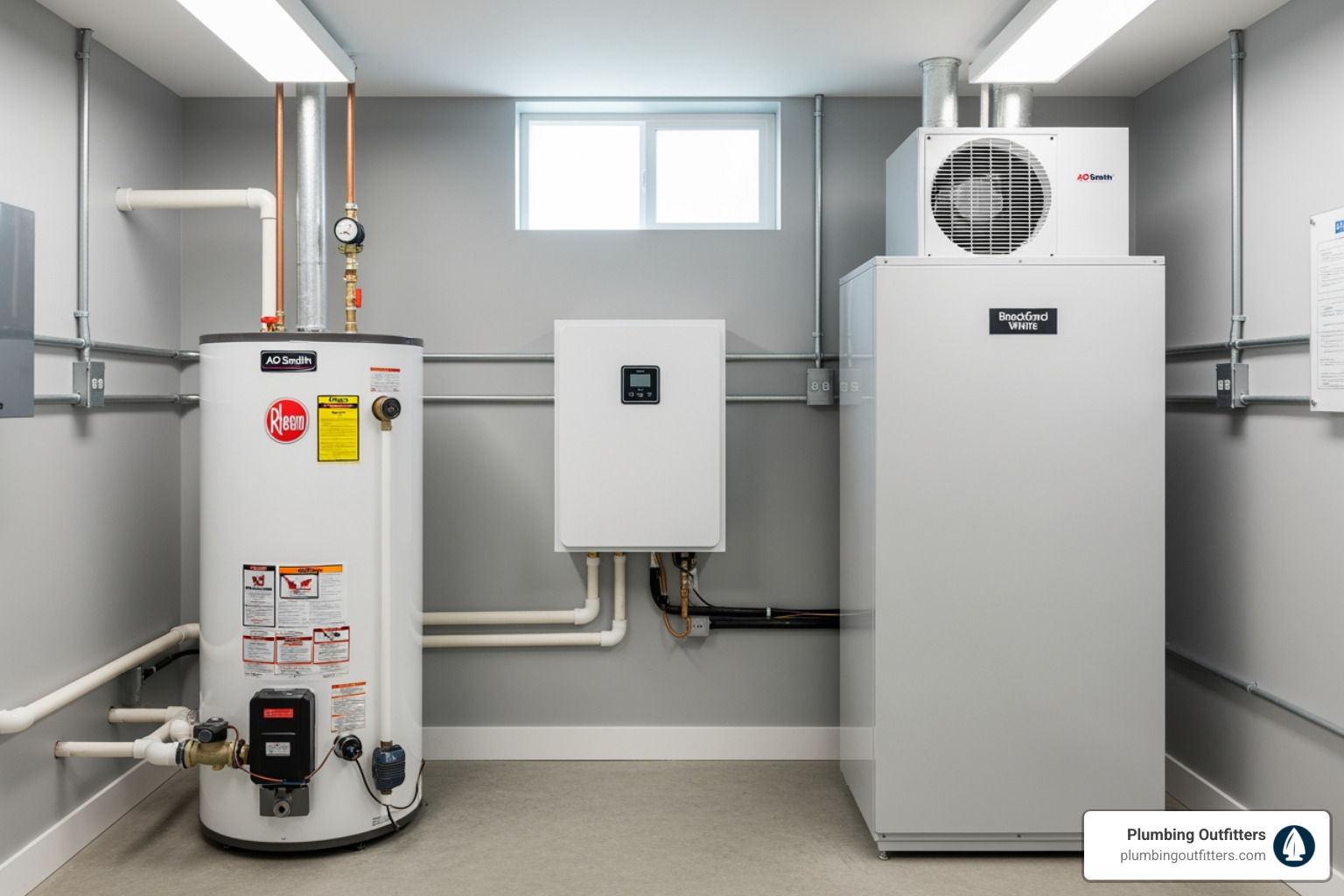
When you’re exploring Water Heater Installation in Austin, TX, you’ll encounter three main types of systems: conventional tank heaters, tankless units, and heat pump (hybrid) water heaters. Each one has its own personality—different strengths, quirks, and performance characteristics. Understanding what sets them apart helps you match the right system to your home, your budget, and the way your family uses hot water.
Think of it this way: conventional tanks are the reliable workhorses, tankless systems are the modern efficiency experts, and heat pumps are the eco-friendly overachievers. Let’s break down what makes each one tick so you can figure out which fits your situation best.
For a deeper dive into two of the most popular options, check out our article on Tankless vs. Tank Water Heater: What’s the Difference?
Conventional Tank Water Heaters
If you’ve lived in a house with a water heater, there’s a good chance it was a conventional storage tank model. These are the most common systems in American homes, having earned their spot through decades of proven performance. The concept is straightforward: the unit stores a large amount of water—typically 30 to 50 gallons—keeps it hot, and delivers it whenever you turn on a faucet.
A major draw for these units is their straightforward and common installation process, making them a popular choice for a quick replacement. They’re also relatively simple to maintain, and most plumbers are familiar with how they work, so finding someone to service them is never a problem.
But conventional tanks do have their limitations. One is standby heat loss—because the unit keeps water hot around the clock, some energy inevitably escapes. This makes them less efficient than newer technologies. You’re also dealing with a limited hot water supply. Once you’ve used up what’s in the tank, you’ll need to wait for it to refill and reheat. And their shorter lifespan—usually around 8 to 12 years—means you’ll likely be replacing them more often than other types.
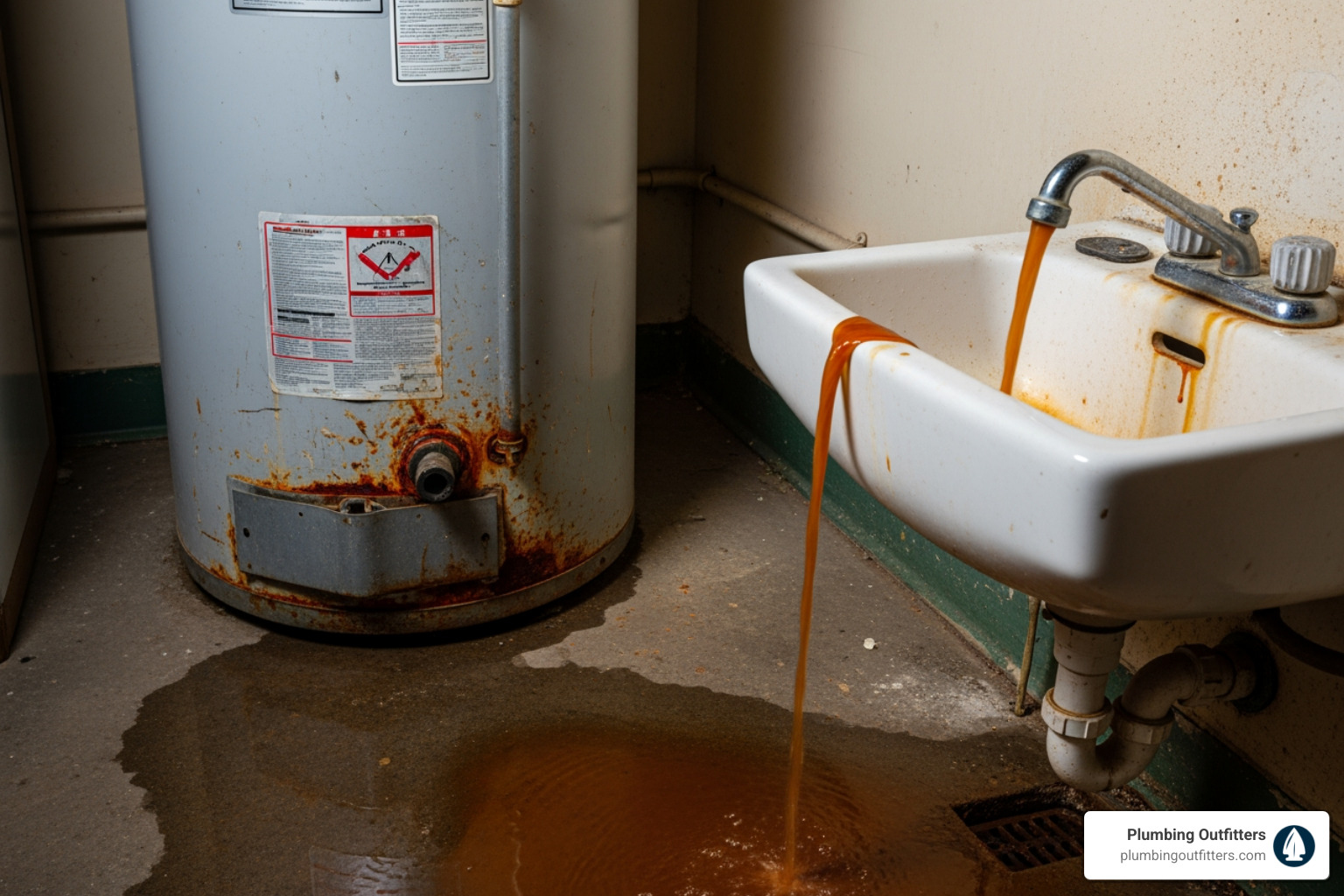
Another consideration is the risk of leaks. As tanks age, corrosion can develop, and if the tank fails, you could be looking at significant water damage. Regular maintenance helps, but it’s a reality of tank systems.
If a conventional tank sounds like the right fit for your home, our team specializes in Austin Tank Water Heater Installation and Repair.
Tankless Water Heaters
Tankless water heaters have become increasingly popular. Instead of storing hot water, these units heat water instantly as it flows through the system. Turn on your shower, and the heater kicks into action. Turn it off, and the heater stops. No storage, no waiting, no wasted energy keeping a big tank hot.
The headline benefit is endless hot water. With a properly sized tankless system, you can run the dishwasher, do laundry, and still have plenty of hot water for back-to-back showers. Tankless units are also remarkably energy-efficient—they can be 24% to 34% more efficient than conventional tanks for households that use up to 41 gallons of hot water daily. This can lead to noticeable reductions in energy consumption.
Tankless systems also boast a longer lifespan, often lasting 20 years or more with proper care. And because they’re compact and wall-mounted, they take up significantly less space. The trade-off is a more complex installation, especially when converting from a tank system. There’s also a question of capacity: if multiple people are using hot water simultaneously, the system can sometimes struggle to keep up unless it’s sized correctly. Even gas tankless heaters need electricity to operate, so they won’t work during a power outage without a backup.
Curious about making the switch? Our guide on the Top Benefits of Switching to a Tankless Water Heater covers everything you need to know.
Heat Pump (Hybrid) Water Heaters
Heat pump water heaters—sometimes called hybrid water heaters—represent a fascinating middle ground between traditional tanks and cutting-edge efficiency. These systems look like conventional tank heaters, but they work very differently. Instead of generating heat directly, they pull heat from the surrounding air and transfer it to the water in the tank. It’s similar to how a refrigerator works, just in reverse.
For Austin homeowners, this technology is particularly appealing. Our warm climate is ideal for heat pumps, and because they’re pulling heat from the air rather than creating it, they offer the highest energy efficiency of any water heater type. They can be two to three times more efficient than conventional electric water heaters, which translates to significant energy conservation and a smaller environmental footprint.
An unexpected bonus is that the unit cools and dehumidifies the surrounding air. If you install one in a garage or large utility room, you’re essentially getting a bit of free air conditioning during those sweltering Texas summers.
The downsides? Heat pump water heaters can have more complex installation requirements than conventional tanks. They also require adequate space—specifically, they need to be installed in an area with sufficient air volume for the heat pump to draw from. They’re only available as electric models, so if you’re committed to gas, this isn’t the right option. Their lifespan typically ranges from 10 to 15 years, which is better than conventional tanks but not as long as tankless units.
For Austin’s climate and energy goals, heat pumps can be an excellent choice. If you’re interested in comparing energy-efficient options, take a look at our article on Solar vs. Electric Water Heater: Which One Is Better?
Key Factors for Your Water Heater Installation in Austin, TX

Living in Austin means your Water Heater Installation in Austin, TX comes with some unique considerations. Our local water quality, climate, and infrastructure all play a role in determining which water heater will work best for your home and how it should be installed. Getting these details right from the start can save you headaches and cold showers down the road.
Understanding these local factors isn’t just about picking the right unit—it’s about making sure your installation is done properly by someone who knows Austin homes. For guidance on choosing the right professional, check out our resource to Find a Reliable Austin Plumber to Protect Your Home.
Gas vs. Electric Installation Requirements
One of the first decisions you’ll face is whether to go with a gas or electric water heater. This choice affects more than just your monthly utility usage—it determines what kind of installation work needs to happen in your home.
Gas water heaters are known for heating water faster and can continue working during power outages, which can be a lifesaver during Texas storms. However, installing a gas unit requires proper venting to safely exhaust combustion gases like carbon monoxide. Your installer will need to ensure your home has adequate gas piping and the right ventilation setup, which can make the initial installation more complex.
Electric water heaters often have a simpler installation process. They don’t require venting systems or gas lines, just a dedicated electrical circuit. They’re also generally safer since there’s no combustion involved and no risk of gas leaks. The trade-off is that electric models may have higher energy consumption over time, and they won’t work during power outages unless you have a backup generator.
When deciding between the two, consider what’s already available in your home. If you’re replacing an existing gas unit and the infrastructure is in place, sticking with gas often makes sense. If you’re starting fresh or your home only has electric service, an electric unit might be your best bet. Your installer can help you weigh the operating efficiency and performance based on your specific situation.
For more detailed information about gas water heaters, take a look at our guide on Gas Water Heater Replacement: What You Need to Know.
How Austin’s Hard Water Affects Your System
Here’s something every Austin homeowner needs to know: our tap water is moderately hard, meaning it contains higher levels of minerals like calcium and magnesium. While this water is perfectly safe to drink, it can wreak havoc on your water heater over time.
These minerals gradually accumulate inside your tank or on heating elements, creating sediment buildup. Your water heater has to work harder to heat the water, which reduces efficiency and increases energy consumption. You might notice your water heater making popping or rumbling sounds—that’s the sound of water trying to boil underneath layers of hardened sediment.
Hard water doesn’t just reduce efficiency; it can also shorten your water heater’s lifespan significantly. The constant buildup accelerates corrosion and wear on internal components. You might also notice other telltale signs around your home: spots on dishes, reduced water pressure, or soap that doesn’t lather well.
The good news is that you can fight back against hard water damage. Regular flushing is your first line of defense—draining your water heater every 6 to 12 months removes accumulated sediment. Many Austin homeowners also benefit from installing a water softener, which treats the water before it enters your water heater, dramatically reducing mineral buildup and protecting your appliance.
If you’re planning a new installation, talk to your installer about your home’s water quality and what maintenance schedule makes sense. A little preventive care goes a long way in our hard water environment.
For more advice on protecting your investment, read our tips on Extending a Water Heater’s Life.
Finding and Vetting Professional Installers

When it comes to Water Heater Installation in Austin, TX, the installer you choose matters just as much as the equipment itself. This isn’t just about getting hot water flowing again—it’s about ensuring your family’s safety, protecting your home from potential water damage, and making sure your appliance performs as promised for years to come.
We’ve seen too many situations where an improper installation led to leaks, code violations, or even dangerous situations down the road. The good news? Finding a qualified professional doesn’t have to be complicated when you know what to look for.
For comprehensive guidance on selecting the right professional for your home, check out How to Find the Best Austin, TX Plumber.
Why Professional Water Heater Installation in Austin, TX is Crucial
Some homeowners look at a water heater installation and think, “How hard could it be?” The truth is, it’s more complex and potentially dangerous than most people realize. Water heaters involve a combination of plumbing, electrical work, and sometimes gas connections. Getting any of these wrong can create serious safety hazards.
The safety risks alone should give anyone pause. Incorrect installation can lead to electric shock, scalding water temperatures, carbon monoxide poisoning from gas units, or undetected gas leaks. These are real dangers that professional installers are trained to prevent.
Beyond safety, there’s the matter of code compliance and permits. Most cities in the Greater Austin area require permits for water heater installation. Licensed plumbers know these local building codes and will secure the necessary permits and arrange for inspections, ensuring everything meets current standards. This becomes especially important if you ever decide to sell your home, as unpermitted work can create complications.
Here’s something many homeowners don’t realize: most manufacturer warranties require professional installation to remain valid. If you attempt a DIY installation and something goes wrong, you could void your warranty entirely, leaving you responsible for any future repairs or replacements.
Professional installers also prevent leaks and water damage by ensuring all connections are properly secured. A small installation error can lead to slow, hidden leaks that cause extensive damage over time.
To understand just how many things can go wrong, especially with more complex systems, take a look at 10 Common Mistakes in Tankless Heater Installation.
What to Look For in a Local Installer
Finding the right installer for your Water Heater Installation in Austin, TX starts with knowing what questions to ask and what credentials to verify. Not all plumbers are created equal, and water heater installation requires specific expertise.
First and foremost, confirm that any installer you’re considering is licensed and insured. This isn’t just a formality—it’s your protection. A license means the plumber has met professional standards, and insurance protects you if something goes wrong during the installation.
Local reviews and testimonials tell you what other Austin homeowners really think about their experience. Look for consistent patterns in feedback. Do customers mention punctuality, professionalism, and clean work areas? These details matter when you’re inviting someone into your home.
The experience with your specific heater type makes a significant difference. A plumber who primarily installs conventional tanks might struggle with the complexities of a tankless system or heat pump. Ask directly about their experience with the type of water heater you’ve chosen.
Always request a detailed written scope of work before any work begins. A reputable installer will provide a clear breakdown of the project, including labor, materials, and permits. This transparency helps you understand the full scope of the job. Hesitation to provide this in writing is a red flag.
Finally, inquire about service warranties on both the equipment and the installation labor. A professional company stands behind their work, giving you peace of mind that they’ll make things right if any issues arise from the installation itself.
Energy-Efficiency Programs and Incentives
When planning your Water Heater Installation in Austin, TX, it’s worth exploring programs that promote energy efficiency. Federal and local initiatives, including those from Austin Energy and Texas Gas Service, often encourage the adoption of high-efficiency water heaters like ENERGY STAR certified models. These programs support choices that reduce overall energy consumption and benefit the environment.
Your professional installer can provide information on qualifying equipment and guide you on how to take advantage of these opportunities. Choosing an energy-efficient model is a great way to support community-wide conservation goals.
To learn more about our services and find a solution that works for your home, please Contact Us.
Frequently Asked Questions about Water Heater Installation
How do I know if my water heater needs to be replaced?
Water heaters usually provide warning signs before they fail completely, helping you avoid an inconvenient breakdown. The good news is that you can often spot these signs before you’re left with cold water.
Age is often the first clue. Most conventional tank water heaters have a lifespan of about 8 to 12 years. If your unit is over a decade old, it’s wise to start planning for a replacement, even if it seems to be working fine. Older units are less efficient and more prone to sudden failure, which can lead to significant water damage.
Rusty or discolored water from your hot water taps is another red flag. This typically indicates corrosion inside the tank, which means the unit is deteriorating from the inside out. Once corrosion starts, it’s only a matter of time before leaks develop.
Rumbling or popping noises are not normal. They’re usually caused by sediment buildup at the bottom of the tank, which forces the unit to work harder, reducing efficiency and potentially damaging the tank.
Visible leaks or pooling water around the base of your water heater are serious warning signs that shouldn’t be ignored. Even small leaks can quickly become major problems, potentially flooding your home and causing extensive damage.
Finally, pay attention to your hot water supply. If you’re running out of hot water faster than usual, or if the water temperature seems inconsistent, your water heater is struggling to keep up. This reduced performance often signals that a component is failing.
If you’re experiencing any of these symptoms, it’s time to call in a professional. For more detailed guidance, check out 5 Signs You Need a Water Heater Repair Expert.
How long do different types of water heaters last?
When you get a new water heater, it’s natural to wonder how long it will serve your family. The answer depends largely on which type you choose, along with factors like water quality and maintenance.
Conventional tank water heaters typically have the shortest lifespan at 8 to 12 years. In Austin, hard water can shorten this lifespan without regular maintenance. The constant heating of stored water, combined with mineral buildup, takes its toll over time.
Tankless water heaters are the marathon runners of the water heating world. Because they heat water on demand, they experience less wear and tear. With proper maintenance, these units can last 20 years or even longer. This extended life is a key benefit of tankless systems.
Heat pump (hybrid) water heaters fall somewhere in the middle, with an average lifespan of 10 to 15 years. They combine elements of both tank and electric heating technology, which gives them a moderate longevity.
No matter which type you choose, regular maintenance is the secret to longevity. Flushing conventional and hybrid tanks annually removes sediment, while descaling tankless units prevents mineral deposits from clogging the heat exchanger. Skipping maintenance—especially in areas with hard water like Austin—can easily shave years off your water heater’s life. A little attention each year can significantly extend your water heater’s service life.
For practical advice on keeping your system running smoothly, explore our Top Tips for Spring Water Heater Maintenance.
What are the benefits of same-day installation?
There’s never a convenient time for your water heater to fail. That’s where same-day Water Heater Installation in Austin, TX becomes a game-changer.
The most obvious benefit is minimizing disruption to your daily routine. Hot water is essential for showering, washing dishes, and doing laundry. When your water heater goes out, your entire household feels the impact. Same-day installation means you’re not living without hot water for days while waiting for a replacement.
Emergency situations demand fast action. If your tank is leaking and threatening to flood your home, waiting isn’t an option. Same-day service addresses these urgent situations quickly, protecting your home from potential water damage and restoring your comfort immediately.
For busy households, scheduling a water heater replacement can be a challenge. Same-day installation offers convenience—you can have your new unit installed and running without having to coordinate multiple days off work or rearrange your family’s schedule.
The bottom line? Same-day installation eliminates the stress and inconvenience of a cold home, getting you back to normal as quickly as possible. When you need fast, reliable service for your water heater emergency, we’re ready to help.
Ready to restore your hot water? Contact us today for prompt service.
Your Next Steps for a New Water Heater in Austin
Now that you understand water heater types, Austin-specific factors, and how to find a professional, you can move forward with confidence.
The journey to a new Water Heater Installation in Austin, TX can be straightforward. Start by assessing your household’s needs. How many people are in your home? Do you often use hot water in multiple places at once? Are you focused on long-term energy efficiency, or is the simplicity of the system your primary concern? Your answers will guide you to the right type of water heater—be it a conventional tank, a tankless system, or a heat pump model.
Once you’ve identified the best fit for your home, finding a qualified installer becomes your priority. Look for someone who’s licensed and insured, with solid local reviews from other Austin homeowners. Make sure they have specific experience with your chosen water heater type, especially if you’re going with a more specialized tankless or hybrid system. A written scope of work and service warranty should be standard—these are signs of a professional who stands behind their work.
And here’s something that can’t be stressed enough: always choose professional installation. It’s tempting to think of it as an optional step, but proper installation protects your safety, ensures code compliance, and keeps your warranty intact. The peace of mind that comes from a correct installation is invaluable, helping you avoid leaks, water damage, or worse.
At Plumbing Outfitters, we understand that your home deserves more than just a quick fix. We’re committed to delivering Texas Class Service—the kind of neighborly, trustworthy experience you’d expect from a team that genuinely cares about keeping Austin homes comfortable and safe. Whether you need guidance choosing the right water heater or you’re ready to schedule your installation, we’re here to make the process as smooth as possible.
Ready to restore reliable hot water to your home? Explore all our Water Heater Services and let us help you every step of the way.