
It’s astounding that worldwide house leaks can cause 1 trillion gallons of waste each year, according to the EPA.
Slab leaks, in particular, are a homeowner’s nightmare. Leaks of this kind can come from under the foundation of your home and can cause considerable damage.
Watching out for the warning signs of a slab leak can help you avoid these problems. By underscoring the causes of slab leaks, you can protect your home from potential catastrophes.
What Is a Slab Leak?
A slab leak happens when one or more water pipes beneath a foundation start leaking. Such leaks can come from different sources, including water supply lines, drainage pipes, or even your water heater. Over time, the water can seep through the slab, weakening the foundation and leading to costly damage.
Factors that can lead to a pesky slab leak involve the following:
- Shifting soil
- Corroded pipes
- Poor installation
- High water pressure
Early Warning Signs of a Slab Leak
Finding a slab leak can save you from pricey repairs and significant damage to your home. Are you wondering what warning signs to look for?
Unexplained Spike in Your Water Bill
Water usage is one of the most obvious warnings. Has your water bill skyrocketed, and you haven’t been using more water than usual? If so, a hidden leak under your slab foundation could be the culprit.
Hot Spots on the Floor
If you have a hot water pipe leak, you may notice certain areas of your floor feeling unusually warm. This is often an early sign that hot water is leaking from a pipe beneath the slab. If you have a water heater leaking, particularly a tankless water heater, you’ll want to investigate to avoid further damage.
Sound of Running Water
The sound of running water when no faucets are on can point to a leak. It may be more obvious in quiet moments or at night when household noise is minimal. If you hear water moving through the pipes and it’s not connected to any obvious source, it’s time to contact a local plumber for slab leak detection.
Low Water Pressure
Slab leaks can lead to a noticeable drop in water pressure, especially when you’re using multiple fixtures at the same time. If you’ve noticed a steady decrease in pressure throughout your home, it may be due to water escaping from a damaged pipe.
Cracks in Walls or Floors
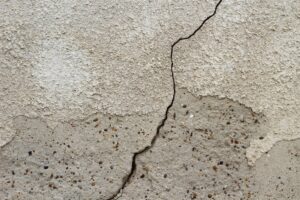
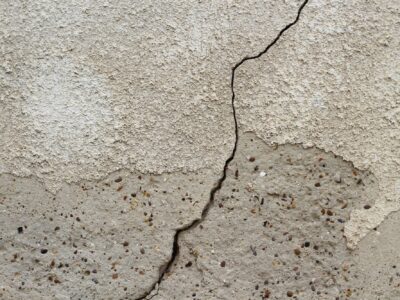
As water leaks from pipes under your foundation, the soil around the slab can shift, causing cracks in your walls, floors, or ceilings. If you notice new cracks forming, especially in areas near plumbing lines, you may be dealing with a slab leak or a related foundation leak.
Toilet Stoppage and Drain Issues
Frequent toilet stoppages or slow drains can also be a sign. If you’ve ruled out common causes, such as clogs, a slab leak in the sewer line could be to blame.
Slab Leak Detection Methods
It’s always best to pinpoint a slab leak as soon as possible. Professional leak detection tools and techniques can locate the source of the leak with the utmost precision.
Electronic Leak Detection
Electronic leak detection involves using specialized equipment that detects the sound of water escaping from pipes beneath the slab. This is one of the most effective and non-invasive methods for pinpointing the exact location of a leak.
Pressure Testing
Pressure testing can also be used to confirm the presence of a slab leak. A plumber will pressurize your plumbing system and monitor the pressure levels. If the pressure drops, it’s a clear sign that there’s a leak somewhere in the system.
Infrared Thermography
Plumbers can use infrared thermography to detect leaks in hot water lines. The technology detects temperature variations within the floor, helping locate the hot spot where the leak is occurring.
Slab Leak Repair Options
Once a slab leak is detected, you’ll need to address it soon to avoid further damage. Slab leak repair methods vary depending on the severity and location of the leak.
Spot Repair to End Foundation Leaks
If the leak is localized and easily accessible, a spot repair may be the best solution. It involves opening up a small section of the foundation and fixing the damaged pipe.
Pipe Rerouting
In some cases, rerouting the plumbing lines around the slab may be more effective than attempting to repair the leak at the original point. It involves running new pipes through walls or ceilings and bypassing the slab.
Repipe
For homes with extensive slab leaks or older plumbing systems, repipe services may be the best long-term solution. Repiping involves replacing all the plumbing lines in your home, ensuring that future leaks are less likely to occur. While this is a more comprehensive solution, it’s often necessary for homes with deteriorating pipes.
Epoxy Pipe Coating to Stop Water Leak Causes
Another repair option is to use an epoxy coating to seal the inside of the pipe. This method involves injecting a liquid epoxy into the damaged pipe, which then hardens and forms a protective barrier, stopping the leak. Epoxy coating is a less invasive alternative to breaking through the slab and is often used for minor leaks.
Why You Should Call a Professional Plumber Near Me
Proper slab leak detection and repair calls for specialized equipment and expertise. Do you think you have a slab leak? If so, it’s crucial to call an Austin plumber or a plumber near me with experience in slab leak repairs.
The best plumber will offer prompt service, thorough leak detection, and the right plumbing solutions to prevent further damage. If you’re dealing with related problems, such as toilet stoppage or a water heater leaking, then a local plumber can address these concerns as well.
The Sooner You Solve a Slab Leak, the Better
A slab leak can cause plenty of damage, but only if you don’t catch it early enough. A local plumber has the know-how to ensure your home stays safe and sound.
Plumbing Outfitters is proud to serve both Williamson and Travis County. You can rely on us for slab leaks, gas piping, water filtration, and more. Reach out for a leak repair quote today.