

Repiping Services in Liberty Hill, TX
Need repiping services in Liberty Hill, TX? We fix low pressure, rusty water, and recurring leaks for good. Schedule your consultation today.
Whole-Home Repiping Solutions for Your Liberty Hill Property
Are you tired of showers with barely enough pressure to rinse? Seeing a burst of rusty, discolored water when you turn on the kitchen sink in the morning? Have you already paid for one or two pipe leak repairs in your Liberty Hill home, only to have another one spring up a few months later? These aren't isolated annoyances; they are classic symptoms of a failing plumbing system that needs professional attention. Ignoring them leads to hidden water damage, mold growth, and the ever-present risk of a major pipe burst that can devastate your home. At Plumbing Outfitters, we provide clear guidance on when a full repipe is the most responsible and cost-effective solution, and our team is ready to restore your water flow and peace of mind.
Signs Your Home's Plumbing System Needs Repiping
When your home’s plumbing starts to fail, it fails as a whole system. Chasing individual symptoms with one-off repairs can feel like a losing battle. Recognizing the signs of systemic pipe failure is the first step toward a permanent solution.
Persistently Low Water Pressure
You've probably noticed that the water flow from your faucets and showerheads has weakened significantly over time. Running the dishwasher or flushing a toilet might cause the shower to slow to a frustrating trickle. This isn't a problem with the city's water supply; it's the #1 indicator that your pipes are being constricted from the inside.Decades of exposure to Liberty Hill's hard water causes mineral scale to build up, effectively shrinking the internal diameter of your pipes. In older homes with galvanized plumbing, internal corrosion creates a rough, uneven surface that snags debris and further restricts flow. If you ignore this, the pressure will continue to drop, making appliances work harder and less effectively, and eventually leading to complete blockages or pipe bursts under stress.
Discolored or Foul-Tasting Water
When you turn on a tap, especially for hot water, you might see a burst of brownish or yellowish water before it runs clear. You may also notice a distinct metallic taste or an unpleasant odor that you can't seem to get rid of. This is a direct sign that your pipes are corroding from the inside out.That discoloration is rust and other corrosion particles flaking off from the interior walls of aging galvanized steel pipes. Besides being unpleasant to drink or bathe in, this rusty water is a clear warning that your pipes are structurally weakening. The pipe walls are getting thinner every day, making a major leak or a catastrophic burst increasingly likely.
Multiple Pipe Leaks in a Short Time
Have you had to call a plumber for two, three, or even more separate leaks within the last year or so? These might be small pinhole leaks under a sink, a dripping joint in the attic, or a damp spot on a wall in a completely different part of the house. As experienced plumbers, we see this as a major red flag for systemic failure.It's not just bad luck; it's clear evidence that your entire piping system has reached the end of its functional lifespan. The material is becoming brittle and failing everywhere at once, and fixing one spot simply transfers the water pressure to the next weakest point in the line. Continuing with individual pipe repairs is a poor investment that only delays the inevitable, all while you live with the constant risk of significant water damage from the next failure.
Visible Corrosion on Exposed Pipes
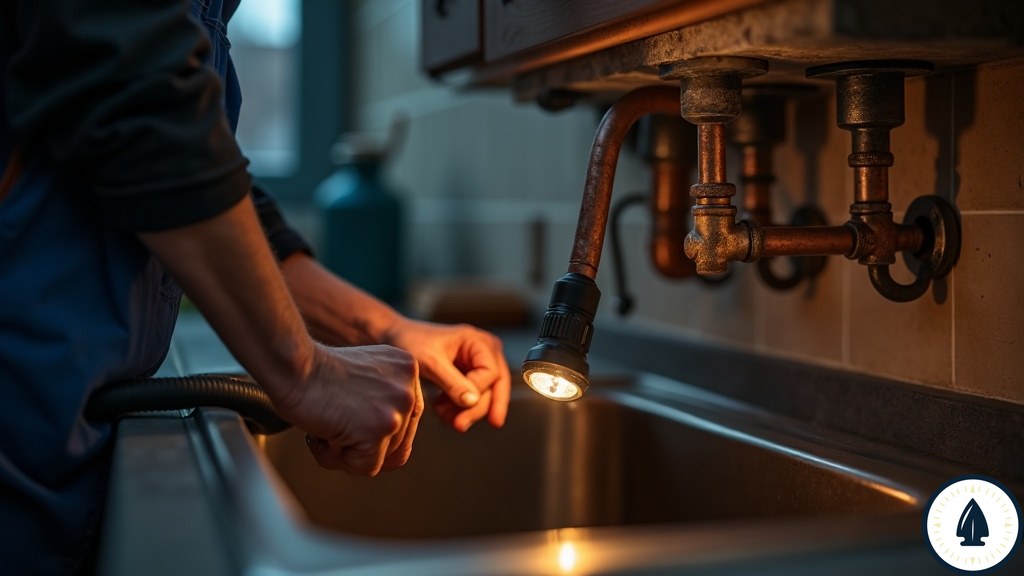
Take a look at the pipes you can see under your kitchen and bathroom sinks, in a utility closet, or near your water heater. If you see flaking, green or white discoloration, rust spots, or dimpling on the pipe's surface, you're looking at the external evidence of widespread deterioration. What you can see on the outside is often a good indicator of even more advanced corrosion happening on the inside.These visible signs of decay mean the pipe's structural integrity is compromised throughout your home. A simple bump from storing cleaning supplies under the sink or even the normal vibration from water flow could be enough to cause a leak or a complete break. It’s a clear signal that the materials are tired and need to be replaced.
What's Causing Systemic Pipe Failure in Local Homes?
Understanding why your pipes are failing helps clarify why a full repipe is often the only logical solution. In our area, we consistently see a few key culprits that have reached the end of their service life.
Aging Galvanized Steel Pipes
If your home was built before the 1970s, it almost certainly has galvanized steel pipes. This material was the standard for decades and consists of a steel pipe coated in a layer of zinc to prevent rust. After 40-50 years of service, that protective zinc coating inevitably wears away.Here in Liberty Hill, the combination of advanced age and our characteristically hard water accelerates this process dramatically. Once the zinc is gone, the steel begins to corrode from the inside, leading to the rust you see in your water and forming thick layers of scale that cause severe blockages. The only permanent solution for failing galvanized plumbing is a complete replacement with modern, long-lasting materials.
Mineral Buildup from Hard Water
The water supply in our region is rich in minerals like calcium and magnesium, which makes it "hard." Over many years, these dissolved minerals precipitate out and deposit on the inside of your pipes, forming a thick, rock-like layer of scale called limescale or calcification. This is the single most common local factor we see that accelerates the need for repiping.The scale buildup dramatically reduces the internal diameter of the pipes, which is why you experience low water flow. It also puts extra strain on the entire plumbing system, leading to higher pressure in some areas and causing premature failure of joints, valves, and fixtures. A full repipe removes these choked, inefficient lines entirely, and we often recommend a water softener installation to protect your new investment from future damage.
Failing Polybutylene Pipes
Polybutylene, a grey plastic pipe often marked with "PB2110," was used extensively in homes built from the late 1970s to the mid-1990s as a low-cost alternative to copper. Unfortunately, it was later discovered that common oxidants in public water supplies, like chlorine, attack the material, causing it to become brittle and develop micro-fractures from the inside out.We still find this problematic material in many homes in the Liberty Hill area that were built during that time frame. The failure of polybutylene is not a matter of if, but when, and it's known for failing suddenly and catastrophically without any prior warning signs. Due to its inherent unreliability and the high risk of major water damage, the only responsible recommendation for a home with polybutylene plumbing is a complete and immediate repipe.
Your Repiping Project: A Clear, Guided Process
When you call Plumbing Outfitters for a potential repiping project, our entire process is designed to give you clarity and confidence. We act as your guide, shifting the focus from a stressful, uncertain repair to an informed decision about your home's future. It starts with a thorough, on-site evaluation where we assess your entire plumbing system, checking water pressure, inspecting all visible pipes, and confirming the type and age of your current materials. We’ll then sit down with you and explain exactly what we’ve found in plain language, connecting our findings directly to the problems you’re experiencing.
Our commitment is to radical transparency. You will receive a clear, detailed, line-item proposal with different options for the project—typically involving modern, flexible PEX piping or traditional, durable copper. We’ll walk you through the pros, cons, and costs of each material, answering every question until you feel completely comfortable. We don't use high-pressure sales tactics; we provide the information you need to make the best choice for your home and budget. Once the project begins, our professional team works systematically to minimize disruption, keeping your home clean and respected. After the installation is complete, we perform a final, comprehensive walkthrough with you to ensure every faucet and fixture works perfectly and that you are 100% satisfied with the result.
Protecting Your New Pipes and Your Home's Foundation
After investing in a whole-home repipe, the smartest next step is to protect that investment from the very conditions that caused the old pipes to fail. Given Liberty Hill's water quality, we strongly recommend a Water Softener Installation & Replacement. A whole-home water softener removes the hard minerals that create destructive scale buildup, which will extend the life of your new pipes, your water heater, and all of your water-using appliances.
In many cases, the need for repiping is first discovered because of a slab leak. If you've noticed unexplained warm spots on your floor, the sound of running water when everything is off, or a sudden spike in your water bill, you may also need Slab Leak Repair Services. Our technicians can accurately determine if the leak is an isolated issue or, more likely, a critical symptom of widespread pipe failure that a full repipe will permanently resolve.
The High Cost of Delaying a Necessary Repipe
Putting off a necessary repipe is a significant gamble with your home's safety and your finances. Continuing to patch an old, failing system with frequent, small repairs is almost always more expensive in the long run than a single, planned repiping project. Each "emergency" call comes with its own costs, and you're left with the same unreliable system at the end of the day.
The constant risk of a major pipe burst looms over your home, which can cause thousands of dollars in water damage to floors, drywall, furniture, and irreplaceable belongings in a matter of minutes. Furthermore, the slow, undetected leaks from deteriorating pipes are a primary cause of serious structural rot and toxic mold growth within walls and under floors. This creates a potential health hazard for your family and leads to a much more complex and costly remediation project down the road. Addressing the problem proactively gives you control over the schedule and the cost, preventing a chaotic and expensive middle-of-the-night emergency.
Your Trusted Guide for Plumbing in Liberty Hill
If you're dealing with the frustrating symptoms of failing pipes, you don't have to navigate the path to a solution alone. The expert team at Plumbing Outfitters is here to provide the clarity and professional service you deserve. We're committed to being your guide for all things plumbing, ensuring your Liberty Hill home has a safe, efficient, and reliable water supply for decades to come. Contact us today to schedule a comprehensive evaluation of your plumbing system.
Published starting prices
What Repiping Services typically costs
Starting prices and ranges below are for planning — finish, size, brand, and access can change the final number. Your written price is confirmed on-site before any work begins.
- Whole home re-piping$6,500 – $60,000+
- Pipe replacementStarting at $500
- Water reroute$1,800 – $6,000
Prefer to talk it through? Call us or request a written estimate.
Ready to find your way out of plumbing trouble?
Call the Outfitters or request service online — a real team member will guide you through the next steps. No dispatch fee, free estimates, same-day service across Taylor, TX and beyond.