

How to Fix Common Toilet Problems in Bloomington-Normal
Toilet Acting Up in Bloomington-Normal? Here’s What You Need to Know
Knowing common toilet problems and how to fix them can save you a lot of stress — and a surprisingly high water bill. A warped flapper alone can waste up to 200 gallons of water per day, and most internal toilet parts only last 5 to 7 years before they start causing trouble. Whether you’re dealing with a toilet that won’t stop running, a slow flush, a mysterious leak, or a bowl that just won’t fill back up, many of these issues are more manageable than they look.
Here’s a quick look at the most common toilet problems and their fixes:
| Problem | Most Likely Cause | Quick Fix |
|---|---|---|
| Toilet runs constantly | Worn flapper or faulty fill valve | Replace flapper or adjust/replace fill valve |
| Weak or slow flush | Clogged rim holes or low water level | Clean rim holes; adjust float |
| Toilet won’t flush | Disconnected chain or loose handle | Reconnect or adjust lift chain |
| Clogged toilet | Non-flushables or trapway buildup | Use a flange plunger or toilet auger |
| Leaking at the base | Failed wax ring or loose flange bolts | Replace wax ring or tighten bolts |
| Slow-filling tank | Faulty fill valve or debris buildup | Clean or replace fill valve |
| Ghost flushing | Faulty flapper allowing tank seepage | Replace flapper |
| Wobbly toilet | Loose flange bolts or uneven floor | Tighten bolts or add plastic shims |
| Low water in bowl | Misaligned fill tube or cracked bowl | Reposition fill tube or inspect for cracks |
| Whistling tank | Aging fill valve | Replace fill valve |
For Bloomington-Normal homeowners in McLean County, a little DIY know-how goes a long way — but some problems run deeper than a quick fix. This guide walks you through each issue clearly and simply, so you know exactly what you’re dealing with and when it makes sense to call in a professional.
Understanding Your Toilet: Components and Mechanics
Before we dive into the repairs, it helps to understand what is happening inside that porcelain tank. Most toilets in Central Illinois operate on a simple gravity-flush system. When you push the handle, a series of mechanical steps take place to move water from the tank to the bowl and down into the sewer line.
The main components you should know are:
- The Tank: The upper reservoir that holds the water used for the flush.
- The Bowl: The part you sit on, which holds a standing pool of water to block sewer gases.
- The Flapper: A rubber seal at the bottom of the tank. When you flush, the handle lifts this flapper, allowing water to rush into the bowl.
- The Fill Valve (or Ballcock): This controls the water coming into the tank from your home’s supply line.
- The Float (Ball or Cup): As the water rises, the float moves up. Once it reaches a certain height, it tells the fill valve to shut off.
- The Flush Valve: The large plastic assembly that the flapper attaches to.
- The Lift Chain: The small metal chain connecting the handle lever to the flapper.
If you find that your Toilet Won’t Flush But Not Clogged, the issue is almost certainly hidden within these mechanical parts. Understanding these basics makes common toilet problems and how to fix them much less intimidating.
Common Toilet Problems and How to Fix Them: A Homeowner’s Guide

One of the most annoying sounds in a quiet house is a toilet that won’t stop running. This is often called “ghost flushing” when the toilet suddenly refills for a few seconds even though no one touched it. This usually happens because water is slowly leaking from the tank into the bowl, forcing the fill valve to kick on to top off the tank.
Identifying Common Toilet Problems and How to Fix Them in the Tank
The tank is the “brain” of the toilet. Most issues involving water levels or constant running start here.
1. Adjusting the Float If the water level in your tank is too high, it will constantly spill into the overflow tube. If it’s too low, you’ll get a weak flush. To fix this, look at the float. On older toilets, you can gently bend the metal float arm down to lower the water level. On newer models, there is usually a screw or a clip on the vertical fill valve that you can turn to adjust the height. Ideally, the water should be about 1 to 2 inches below the top of the overflow tube.
2. Fixing the Lift Chain Is the handle wiggling but nothing is happening? The lift chain might have too much slack or might have disconnected entirely. You want about half an inch of slack in the chain. If it’s too tight, the flapper won’t seal; if it’s too loose, the flapper won’t lift high enough for a full flush.
3. Replacing a Warped Flapper Since flappers are made of rubber and constantly submerged in water, they eventually warp or rot. This is the #1 cause of a running toilet. To test this, put a few drops of food coloring in the tank. Wait 20 minutes without flushing. If the color appears in the bowl, your flapper is leaking. Replacing it is a 5-minute DIY job that costs very little.
4. Dealing with Whistling Sounds If your toilet whistles or hisses after a flush, it’s usually a sign of an aging fill valve. Over time, internal seals wear out or mineral buildup from our Central Illinois water restricts flow. Replacing the entire fill valve is often easier than trying to repair it.
5. Slow-Filling Tanks If it takes forever for your tank to refill, check the shut-off valve behind the toilet to ensure it’s fully open. If it is, the fill valve may be clogged with sediment. You can sometimes flush out the valve by turning off the water, removing the top cap of the valve, and carefully turning the water back on for a second to blow out debris.
If you are located in our Texas service areas and need local help, we can Fix Toilet Won’t Flush in Austin TX to get your bathroom back in order quickly.
Addressing Common Toilet Problems and How to Fix Them Outside the Tank
Not every problem is hidden under the tank lid. Some issues occur at the base or the supply line.
1. Leaks at the Base (The Wax Ring) If you see water pooling around the floor at the bottom of the toilet, your wax ring has likely failed. This ring creates a gastight and watertight seal between the toilet and the drain pipe. Replacing a wax ring requires removing the entire toilet, which can be heavy (70–125 lbs). If you attempt this, make sure to clean the old wax off completely before setting the new ring.
2. Wobbly or Rocking Toilets A toilet should never rock. If it does, it will eventually break the wax ring seal, leading to leaks and floor rot. Often, you can simply tighten the flange bolts at the base (don’t overtighten or you’ll crack the porcelain!). If the floor is uneven, use plastic shims to level the base and then apply a bead of caulk around the bottom to keep it steady.
3. The Sweaty Tank In the humid summer months of McLean County, you might notice “sweat” on the outside of your tank. This is condensation caused by cold water inside the tank meeting warm, humid air in the bathroom. You can fix this by installing an insulated tank liner or ensuring your bathroom is well-ventilated.
Dealing with Clogs and Weak Flushes
Clogs are the most frequent of all common toilet problems and how to fix them. While they are messy, most can be resolved without calling us for an emergency visit.
The Proper Plunging Technique Not all plungers are created equal. For a toilet, you need a “flange plunger”—the kind with a fold-out rubber flap on the bottom. This creates a better seal in the toilet drain than a standard flat sink plunger.
- Ensure there is enough water in the bowl to cover the plunger head.
- Push down slowly to get the air out, then pull and push vigorously.
- The goal is to move the water back and forth to dislodge the obstruction.
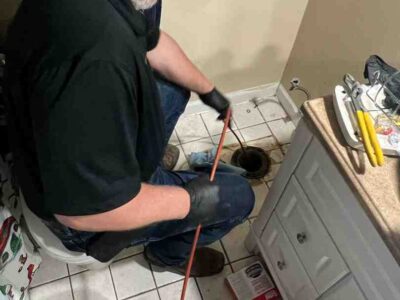
For more detailed tips, check out our guide on How to Plunge a Toilet. If the plunger fails, your next step is a toilet auger (or snake). This tool reaches into the trapway to snag or break up clogs that are out of reach. If you find your Toilet Backed Up: Immediate Steps to Take at Home aren’t working, it may be time to look deeper into the system.
Why Your Toilet Keeps Clogging and What to Do
If you find yourself reaching for the plunger every other day, there is an underlying issue. Here are the most common culprits:
- Non-Flushables: Wipes (even “flushable” ones), paper towels, and feminine hygiene products do not break down like toilet paper. They snag in the pipes and cause massive headaches.
- Low-Flow Issues: Older first-generation low-flow toilets often lack the “oomph” to clear the trapway.
- Hard Water Buildup: In Bloomington-Normal, minerals can build up in the rim holes where water enters the bowl. If these holes are clogged, the flush will be weak. You can clear them with a piece of wire or by soaking them in white vinegar.
- Sewer Line Problems: If multiple drains in your house are slow, the problem isn’t your toilet; it’s your main sewer line.
We offer specialized Clogged Toilet Repair for those stubborn blockages that a plunger just can’t handle. Understanding Why Does My Toilet Keep Clogging? Expert Tips on What Might Be Happening can help you change your habits and save money on repairs.
If you’re unsure of what to try first, we recommend you Do You Have a Clogged Toilet? Try This First. For those with septic systems, using the Best Toilet Paper for Septic Tanks is also a vital preventative measure.
Frequently Asked Questions about Toilet Repairs
Why does my toilet whistle after flushing?
Whistling is usually caused by a vibrating internal part within the fill valve. As the valve ages, the rubber diaphragm can lose its flexibility or become encrusted with minerals. When water flows through at high pressure, it causes the part to vibrate like a reed in a musical instrument. Replacing the fill valve is the most effective solution.
How often should I replace internal toilet parts?
Most internal components, particularly the rubber flapper, should be replaced every 5 to 7 years. If you use chemical “drop-in” bleach tablets in your tank, these parts may fail even sooner, as the chemicals can degrade the rubber and plastic.
Can I use chemical drain cleaners in my toilet?
We strongly advise against it. Chemical drain cleaners generate heat and use harsh acids or bases that can crack the porcelain of your toilet bowl. Furthermore, they rarely reach the source of a toilet clog effectively and can damage the seals in your plumbing system. A plunger or auger is always a safer, more effective choice.
Conclusion
Mastering the basics of common toilet problems and how to fix them is a great way to maintain your Bloomington-Normal home. Most issues, from a loose handle to a running tank, can be solved with a quick trip to the hardware store and a little patience. However, when you’re dealing with recurring clogs, leaks at the base, or a toilet that just won’t behave, you don’t have to go it alone.
At Plumbing Outfitters, we bring “Texas Class Service” to the heart of Central Illinois. Whether you are in Bloomington, Normal, or anywhere in McLean County, our team is ready to provide upfront pricing and neighborly service. We are available 24/7 for those middle-of-the-night emergencies that just can’t wait.
If your DIY efforts have hit a wall, or if you’d rather leave the heavy lifting to the experts, contact us today for Professional Toilet Services. We’ll get your bathroom flowing smoothly again in no time!