


Hot Water Woes in Leander: Your Guide to Water Heater Repair
If you’re wondering whether you need water heater repair in Leander, TX, here are the key signs to look for:
- No Hot Water or Inconsistent Temperatures: Your water heater can’t keep up or stops working.
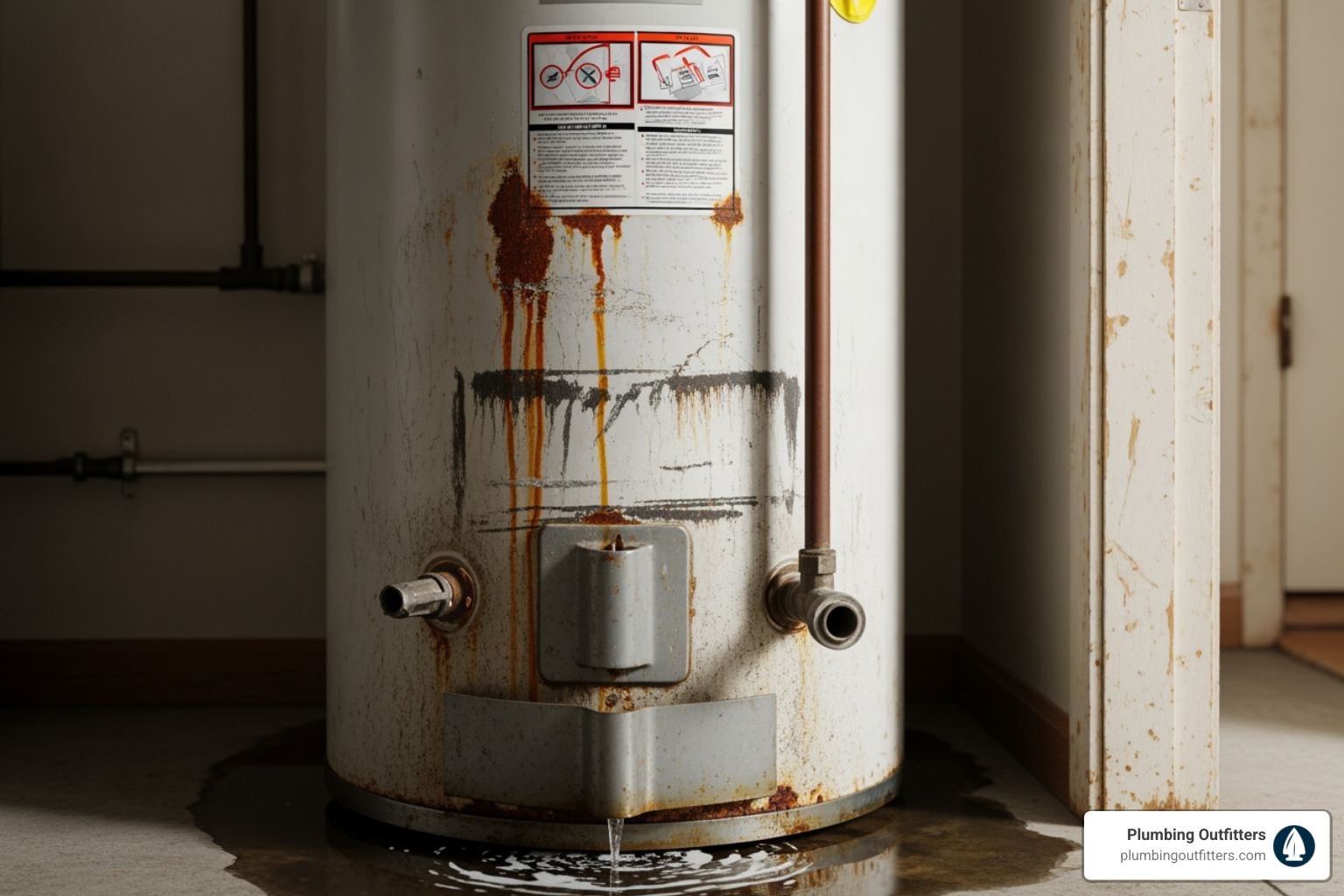
- Leaks Around the Unit: Water pooling near your tank means a serious problem.
- Strange Noises: Popping, rumbling, or banging sounds often mean sediment buildup.
- Discolored or Rusty Water: This can signal corrosion inside your tank.
- Unusual Odors: A bad smell from your hot water might mean bacterial growth.
When your hot water suddenly disappears or your shower turns unexpectedly cold, it’s more than just an inconvenience—it disrupts your entire day. For homeowners facing these challenges, finding reliable water heater repair is a top priority. Water heaters work hard daily to provide hot water for cleaning, bathing, and daily comfort. A malfunctioning unit can quickly turn daily routines into a headache. This guide will help you understand common issues and when to call a professional to restore warmth and convenience to your home.
For a full range of plumbing services in Leander, you can always contact our expert team.
Ready to get your hot water back? Contact us today for expert water heater repair in Leander, TX.
Telltale Signs Your Water Heater Needs Professional Attention
Nobody likes a cold shower, especially when they’re expecting a warm, comforting one. Your water heater often gives subtle (or not-so-subtle) hints when it’s struggling. Recognizing these signs early can save you from a complete breakdown and costly emergency water heater repair in Leander, TX.
Let’s explore the most common indicators that your water heater is crying out for help:
-
No Hot Water or Inconsistent Water Temperature: This is perhaps the most obvious and frustrating sign. If you turn on the faucet and only get cold water, or if your hot water supply quickly runs out, it’s a clear indication that something is amiss. This could be due to a faulty heating element, a malfunctioning thermostat, or even a tank that’s too small for your household’s demands. Inconsistent temperatures, where the water fluctuates between hot and cold, can also point to thermostat issues or sediment buildup affecting the heating process. It’s like your water heater is playing a cruel joke, offering warmth one moment and a chilly surprise the next.
-
Discolored or Rusty Water: When your hot water suddenly takes on a reddish-brown or cloudy appearance, it’s usually a sign of rust or corrosion inside your water heater tank. This can be caused by the breakdown of the anode rod (the sacrificial rod designed to attract corrosive elements) or general corrosion of the tank itself. Not only is rusty water unpleasant, but it also indicates a deteriorating tank that could soon lead to leaks. Cloudy water, on the other hand, often signals sediment buildup.
-
Strange Noises (Popping, Rumbling, Banging): Have you ever heard your water heater making noises that sound like popcorn popping, rocks rumbling, or even a gentle banging? These sounds are typically caused by sediment buildup at the bottom of the tank. As water heats, it causes the sediment to shift and move around, creating these distinctive sounds. Beyond the noise, this sediment can reduce your water heater’s efficiency, cause it to work harder, and eventually lead to premature failure. It’s like your water heater is trying to tell you it has indigestion!
-
Low Hot Water Pressure: If the hot water pressure from your faucets and showerheads seems weaker than usual, but the cold water pressure is fine, your water heater might be the culprit. Sediment buildup can restrict the flow of water out of the tank, or there could be issues with the inlet or outlet valves. It can be a real drag when you’re trying to rinse shampoo out of your hair, only to be met with a trickle.
-
Water Pooling Around the Base of a Water Heater: This is a serious red flag that demands immediate attention. A leak, no matter how small, can quickly escalate and cause significant water damage to your home. Leaks can stem from various sources, including the tank itself, connections, the pressure relief valve, or the drain valve. If you notice any moisture around your unit, don’t delay—it’s time to call in the professionals. For more detailed guidance, we have resources on What to Do When Your Water Heater Is Leaking.
Spotting these issues early can prevent minor repairs from turning into major replacements. For a deeper dive into these indicators, check out our guide on 5 Signs You Need a Water Heater Repair Expert. We’re always here to help Leander homeowners decipher what their water heater is trying to tell them.
Common Causes of Water Heater Breakdowns in Leander, TX
Understanding why water heaters break down can help us prevent issues and quickly diagnose problems when they arise. In Leander and throughout Central Texas, certain factors contribute more frequently to water heater malfunctions.
Here are some of the common culprits behind water heater repair in Leander, TX:
-
Sediment Buildup: This is arguably the most common issue we encounter. Leander, like much of Central Texas, has hard water, meaning it contains a higher concentration of minerals like calcium and magnesium. Over time, these minerals separate from the water and settle at the bottom of your water heater tank, forming a layer of sediment. This buildup acts as an insulator, making the heating elements work harder to heat the water, reducing efficiency, causing strange noises (like those popping and rumbling sounds we mentioned), and eventually leading to premature wear and tear on the tank.
-
Anode Rod Corrosion: Inside every tank-style water heater is an anode rod, often called a “sacrificial rod.” Its job is to corrode instead of the steel tank, protecting the tank from rust. However, this rod has a limited lifespan and will eventually corrode away, especially in areas with hard water. Once the anode rod is gone, the tank itself becomes vulnerable to rust, leading to discolored water and eventually leaks. Regularly inspecting and replacing the anode rod is vital for tank longevity.
-
Thermostat Malfunction: The thermostat is the brain of your water heater, regulating the water temperature. If it malfunctions, you might experience no hot water, water that’s too hot, or inconsistent temperatures. A faulty thermostat can lead to discomfort and even safety hazards like scalding if the water gets too hot.
-
Faulty Heating Element: Electric water heaters rely on heating elements to warm the water. Over time, these elements can burn out or become coated with sediment, losing their effectiveness. When an element fails, you’ll notice a lack of hot water or a significantly reduced hot water supply. Gas water heaters have a burner assembly that can also experience issues, such as a clogged pilot light or a faulty thermocouple.
-
Pressure Relief Valve Issues: The Temperature and Pressure (T&P) relief valve is a critical safety component. It’s designed to open and release water if the temperature or pressure inside the tank becomes too high, preventing dangerous conditions like explosions. If this valve leaks or fails to operate correctly, it can lead to safety risks and water damage.
-
Leaks in the Tank or Connections: Leaks can develop due to various reasons, including corrosion of the tank, loose connections, or cracks in the plumbing lines leading to and from the unit. Even a small drip can become a major problem, compromising safety (especially near electrical components), weakening flooring and drywall, and increasing energy bills as the unit works harder to maintain temperature. Ignoring water heater leaks can lead to significant water damage or mold growth if left unaddressed.
-
Age of the Unit: Simply put, water heaters don’t last forever. Like any appliance, they experience wear and tear over time. As a unit ages, its components become more prone to failure, and the tank itself can weaken. This makes older units more susceptible to breakdowns and less efficient.
Understanding these common causes empowers you to be a more informed homeowner. When these issues arise, our team is equipped with the knowledge and tools to diagnose and resolve them, ensuring your Leander home has a reliable hot water supply.
Repair or Replace? A Leander Homeowner’s Guide
When your water heater starts acting up, one of the biggest questions on your mind is often, “Should I repair it or replace it?” This decision isn’t always straightforward, but by considering a few key factors, we can help you make the best choice for your Leander home and budget.
The decision to repair or replace often hinges on:
-
Age of the Unit: This is a primary consideration. Water heaters have an average lifespan of 8 to 12 years in the Austin area. Most water heaters last 10-15 years. If your current water heater is between ten and fifteen years old, it is at a much higher risk of malfunctioning and requiring frequent costly repairs or failing completely. Systems less than 8 years old may often benefit from repair, while replacement is often a better long-term value if your water heater is over 12 years old.
-
Frequency of Repairs: If your water heater seems to need constant attention, with repairs piling up year after year, it might be a sign that it’s nearing the end of its life. At some point, the cumulative cost of repairs can approach or even exceed the cost of a new unit.
-
Energy Efficiency: Older water heaters are simply not as energy-efficient as newer models. If your utility bills have been steadily climbing, an aging, inefficient water heater could be a significant contributor. A new, energy-efficient model could offer substantial long-term savings.
-
Tank Corrosion: If your water heater tank itself is corroding or leaking, repair is rarely an option. A corroded tank means the structural integrity is compromised, and it’s only a matter of time before it fails completely. This is a clear indicator that replacement is necessary.
For a comprehensive look at when to consider a new unit, read our guide on 5 Signs It’s Time to Replace Your Hot Water Heater.
Here’s a helpful table comparing factors for repair versus replacement:
| Factor | Repair | Replacement |
|---|---|---|
| Age | Younger unit (typically <10 years old) | Older unit (typically >10-12 years old) |
| Type of Problem | Minor component failure (thermostat, element) | Major component failure (leaking tank, severe corrosion) |
| Future Costs | Lower short-term cost; potential for more repairs later | Higher upfront cost; lower long-term operating and repair costs |
| Energy Efficiency | Remains the same as current unit | Significant improvement with newer, more efficient models |
When to choose professional water heater repair in Leander, TX
Choosing to repair your water heater is often the most sensible option when the unit is relatively young and the problem is isolated and fixable. We generally recommend professional water heater repair in Leander, TX, if:
- Your unit is younger (typically less than 10 years old): A newer unit still has plenty of life left, and a single component failure doesn’t necessarily mean the whole system is shot.
- It’s a minor electrical issue: Problems with wiring, a circuit breaker, or a reset button are often straightforward fixes for experienced plumbers.
- Thermostat replacement is needed: A faulty thermostat can be replaced, restoring proper temperature control without requiring a whole new unit.
- There’s a simple part failure: Components like a heating element (for electric units), a pilot light assembly (for gas units), or a drain valve can be replaced individually, extending the life of your water heater significantly.
Repairs can be a cost-effective solution, allowing you to get more years out of your existing investment.
When to consider a full replacement
Sometimes, repairing your water heater just isn’t the most practical or economical choice. It’s time to seriously consider a full replacement when:
- Your unit is older (typically over 10-12 years old): As water heaters age, they become less efficient and more prone to frequent breakdowns. Investing in an older unit with repeated repairs can be a money pit.
- The tank is leaking: A leaking tank usually means internal corrosion, which is irreversible. Once the tank itself is compromised, replacement is the only safe and effective solution.
- There’s major corrosion: If you see significant rust on the outside of the tank, or if your hot water is consistently rusty, it indicates widespread internal corrosion.
- You’re experiencing frequent breakdowns: If your water heater requires repairs every few months, the cumulative cost and inconvenience outweigh the benefit of patching it up.
- You desire higher efficiency: Newer water heater models, especially tankless or hybrid systems, are significantly more energy-efficient than units from a decade ago. Replacing your old unit can lead to substantial savings on your utility bills. For those with gas models, understanding the nuances of a new installation is key. Learn more from our guide on Gas Water Heater Replacement: What You Need to Know.
Our team provides transparent assessments and recommendations, ensuring you make an informed decision custom to your situation. We’ll help you weigh the longevity of potential repairs against the benefits of a new, more efficient system.
Proactive maintenance to avoid needing water heater repair in Leander, TX
The best way to avoid the headache of unexpected water heater repair in Leander, TX, is through regular, proactive maintenance. Just like your car, your water heater performs better and lasts longer with routine care.
Here are some essential maintenance tips Leander homeowners can follow:
-
Annual Tank Flushing: Sediment buildup, common in hard water areas like Central Texas, is a major cause of water heater inefficiency and failure. Annually flushing your water heater tank helps remove these mineral deposits, improving efficiency, preventing strange noises, and extending the life of your unit. This simple step can make a world of difference.
-
Checking the T&P Valve: The Temperature and Pressure (T&P) relief valve is a critical safety device. It should be checked annually to ensure it’s functioning correctly. Gently lift the lever on the valve to release a small burst of water into the drainpipe. If water continues to trickle or the valve doesn’t close properly, it needs professional attention.
-
Inspecting the Anode Rod: The anode rod is designed to sacrifice itself to protect your tank from corrosion. It should be inspected every 3-5 years (or more frequently in areas with hard water) and replaced when it’s significantly corroded. This small rod is a powerful defender against tank leaks.
-
Insulate Your Water Heater and Pipes: Insulating your hot water tank (especially older models) and the first few feet of hot and cold water pipes connected to it can significantly reduce heat loss, making your water heater more efficient and saving you money on energy bills.
-
Set the Right Temperature: Most manufacturers recommend setting your water heater thermostat to 120°F. This temperature is hot enough for most household needs, prevents scalding, and reduces energy consumption compared to higher settings.
By incorporating these maintenance practices into your home routine, you can significantly extend the life of your water heater and reduce the likelihood of needing emergency repairs. For more tips on maximizing your unit’s lifespan, explore our article on Extending a Water Heater’s Life.
An Overview of Water Heaters Serviced in Leander
In Leander, we encounter a variety of water heater types, each with its own set of advantages and considerations. Understanding these differences can help you make informed decisions about repair, replacement, or even an upgrade. Whether you have a traditional tank or a modern tankless system, our expertise covers them all. For a detailed comparison, see our article on Tankless vs. Tank Water Heater: What’s the Difference?.
Traditional Tank Water Heater
These are the most common type of water heaters found in homes, consisting of a large insulated tank that stores and heats water.
-
Pros:
- Lower Initial Cost: Tank water heaters typically have a lower upfront purchase and installation cost compared to tankless or hybrid models.
- Simple Technology: Their design is relatively straightforward, making repairs often simpler and less expensive.
- Reliable Performance: They provide a consistent supply of hot water until the tank is depleted.
-
Cons:
- Standby Heat Loss: Even when hot water isn’t being used, the tank constantly reheats water to maintain temperature, leading to energy waste (known as standby heat loss).
- Limited Hot Water Supply: Once the tank’s hot water supply is depleted, you have to wait for it to refill and reheat, which can be an issue for large families or during peak usage times.
- Large Size: They require a significant amount of space for installation, often in a utility closet, garage, or attic.
Modern Tankless Water Heater
Also known as “on-demand” water heaters, these units heat water only when it’s needed, without a storage tank.
-
Pros:
- Energy Efficient: By heating water on demand, they eliminate standby heat loss, leading to significant energy savings and lower utility bills.
- Endless Hot Water: As long as the unit is sized correctly for your home’s demand, you’ll have a continuous supply of hot water. No more running out during back-to-back showers!
- Longer Lifespan: Tankless units typically last longer than traditional tank models, often 20 years or more.
- Space-Saving: Their compact size allows for installation in smaller spaces, even on a wall, freeing up valuable floor space. For more benefits, check out Top Benefits of Switching to a Tankless Water Heater.
-
Cons:
- Higher Upfront Cost: The initial purchase and installation can be significantly more expensive than a traditional tank unit.
- Output Limitations: While they provide endless hot water, they have a limited flow rate. If multiple hot water appliances are used simultaneously, you might experience a slight dip in temperature or flow.
Hybrid Water Heaters
Hybrid water heaters combine the technology of a traditional tank water heater with a heat pump. They extract heat from the air around them and transfer it to the water in the tank, using electricity only as a backup.
-
Pros:
- Highly Energy-Efficient: They are significantly more energy-efficient than conventional electric tank water heaters, offering substantial savings on electricity bills.
- Lower Operating Costs: Their efficiency translates directly into lower monthly energy expenses.
-
Cons:
- Higher Initial Cost: Like tankless units, hybrid water heaters have a higher upfront cost than traditional electric models.
- Space and Height Requirements: They are typically taller than standard tank water heaters and require sufficient clear space around them to draw in ambient air efficiently. They also operate best in unconditioned spaces like garages or basements, as they cool the surrounding air.
No matter which type of water heater you have or are considering, our team in Leander has the expertise to provide the right repair, maintenance, or installation service. We understand the unique needs and benefits of each system.
How to Choose a Reliable Leander Water Heater Service
When your hot water is on the fritz, you want a service provider you can trust. Choosing the right company for your water heater repair in Leander, TX, is crucial for a reliable fix and peace of mind. Here’s what we believe you should look for:
-
Licensed and Insured Technicians: This is non-negotiable. Always ensure that any plumbing service you consider employs licensed plumbers. Licensing means they have met specific training and competency standards. Being insured protects both you and the technicians in case of accidents or damage during the service. Our team is comprised of experienced, licensed, and insured plumbers, bringing hands-on expertise to every job.
-
Positive Customer Reviews and Reputation: It’s easy to research a company’s reputation. Look for consistent positive feedback from other Leander homeowners. Reviews often highlight aspects like professionalism, timeliness, quality of work, and customer service. A company with a strong, positive local reputation is usually a safe bet.
-
Local Expertise: A plumbing company familiar with Leander understands local plumbing codes, water quality issues (like hard water), and common challenges specific to the area. This local knowledge can lead to more accurate diagnoses and effective solutions. We pride ourselves on understanding the unique needs of Leander homeowners, from plumbing codes to local permits.
-
Transparent Communication and Upfront Pricing: Nobody likes hidden fees or unexpected charges. A reliable service provider will offer clear communication throughout the process, explaining the problem, the proposed solution, and the associated costs before any work begins. We believe in “Texas Class Service” which includes upfront pricing with no hidden fees, ensuring you understand all your options.
-
Guarantees on Workmanship: A trustworthy company stands behind its work. Look for services that offer guarantees or warranties on their repairs and installations. This demonstrates their confidence in the quality of their service and provides you with added protection. We’re not happy until you’re happy.
To help you make an informed decision, here’s a list of questions to ask a potential plumbing service before hiring:
- Are your plumbers licensed and insured?
- Can you provide references or show examples of recent work?
- Do you offer upfront pricing or free estimates?
- What kind of warranty or guarantee do you provide on your water heater repairs or installations?
- How quickly can you respond to a service call in Leander?
- Are your technicians background-checked?
By asking these questions and looking for these qualities, you can ensure you’re choosing a professional and reliable partner for all your water heater needs.
Your Local Experts for Reliable Water Heater Service
We’ve explored the telltale signs of a struggling water heater, digd into the common causes of breakdowns in Leander, and steerd the crucial decision between repair and replacement. We’ve also taken a closer look at the various types of water heaters that keep Leander homes comfortable and the key factors in choosing a trustworthy service provider.
Timely and safe repairs are paramount. Ignoring warning signs or attempting complex DIY fixes can lead to greater damage, higher costs, and even safety hazards. That’s why trusting professionals who understand the intricacies of water heater systems and the specific challenges of our local environment is so important. Our team provides “Texas Class Service,” offering a trustworthy, neighborly experience delivered by experienced plumbers who are dedicated to getting the job done right. We stand by our transparent communication and commitment to your satisfaction.
For all your water heater services and needs in Leander, contact our expert team today. We’re here to ensure your home enjoys a consistent and reliable supply of hot water, keeping your daily routines smooth and your family comfortable.