
Why Your Austin Toilet Won’t Flush and What to Do Right Now
When you need to fix toilet won’t flush in austin, tx, you’re likely dealing with one of a few common culprits—and the good news is that many of them are fixable without a major plumbing overhaul. A toilet that won’t flush properly disrupts your entire household, and in Austin’s hard water environment, mineral buildup can make these issues even more frustrating. Whether it’s a simple clog, a broken flapper chain, or sediment blocking your rim jets, understanding what’s happening inside your toilet tank and bowl helps you decide whether to grab a plunger or call in professional help.
Quick Fix Checklist:
- Check the tank water level – Should be about 1 inch below the overflow tube
- Inspect the flapper and chain – Make sure they’re connected and sealing properly
- Try plunging – Use a toilet plunger (not a sink plunger) with firm, steady pressure
- Look for clogs – Non-flushable items or buildup in the trap are common causes
- Test the handle – Ensure it’s engaging the lift chain when pressed
For more comprehensive plumbing guidance, check out our complete toilet service resources, or if you need immediate professional assistance, contact our Austin plumbing team.

First Steps When Your Toilet Won’t Flush
Imagine this: you’ve just used the toilet, you press the handle, and… nothing. Or worse, the water starts to rise ominously. Don’t panic! Taking a few immediate steps can prevent a small problem from becoming a watery disaster. Our goal is to contain the issue, understand what’s happening, and prepare for either a DIY fix or a professional intervention.
The first, and arguably most crucial, step is to cut off the water supply to the toilet. Look behind the toilet bowl, usually on the left side, for a small valve. Turn it clockwise until the water stops flowing into the tank. This simple action can save you from an overflowing toilet and significant water damage to your bathroom floor and subfloor. We’ve seen how quickly a minor toilet issue can escalate into a major headache if this step is overlooked.
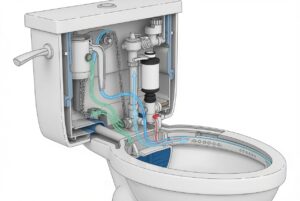
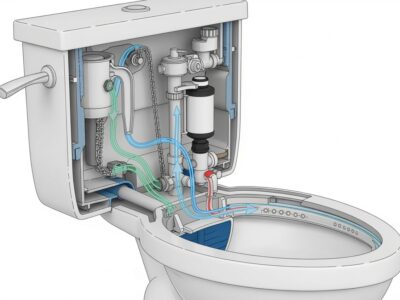
Once the water is off, carefully lift the toilet tank lid and set it aside in a safe place. These lids can be surprisingly heavy and fragile, so handle them with care to avoid cracks or breaks. With the lid off, you can now get a clear view of the inner workings of your toilet. This visual inspection is key to diagnosing the problem. You’re looking for anything obvious: a disconnected chain, a flapper that isn’t sealing, or a low water level. For more detailed guidance on what to do when your toilet backs up, check out our guide on immediate steps to take at home.
Check the Water Level in the Tank and Bowl
One of the simplest reasons a toilet might not flush effectively is insufficient water in the tank. When you flush, the flapper inside the tank lifts, allowing water to flow into the bowl. If there isn’t enough water, you’ll experience a weak or partial flush, or no flush at all.
First, check the water level in the tank. It should typically be about one inch below the top of the overflow tube (the vertical pipe in the center of the tank). If the water level is too low, the fill valve (the mechanism that refills the tank after each flush) might be malfunctioning, or the water shut-off valve behind the toilet might not be fully open. Ensure the shut-off valve is completely turned counter-clockwise to allow maximum water flow.
Next, look at the water level in the bowl itself. If the bowl’s water level is unusually low, it could indicate a crack in the bowl, a faulty wax ring, or an issue with the siphon jet. However, more often, a low bowl level is a symptom of a tank problem. If you notice persistent low water levels in either the tank or bowl, it’s a clear sign something is amiss with your toilet’s filling mechanism.
Don’t Flush It Again!
This might sound like common sense, but when faced with a non-flushing toilet, the instinct can be to try flushing again, hoping for a different outcome. Resist this urge! Repeatedly flushing a toilet that isn’t working can quickly lead to an overflow, especially if there’s a clog. An overflowing toilet can cause significant water damage to your bathroom, potentially leading to costly repairs for your flooring, subfloor, and even the ceiling below if you have an upstairs bathroom.
Instead of flushing again, keep the water supply turned off and assess the situation calmly. If you suspect a clog, avoid adding more water to the bowl. You’ve already taken the crucial first step of turning off the water, which prevents an overflow from happening. Now, focus on diagnosing the root cause. Containing the problem is key to minimizing damage and making the repair process smoother.
Common Reasons Your Toilet Won’t Flush (And How to Fix Them)
Now that we’ve taken the immediate precautions, let’s dive into the common reasons your toilet might refuse to flush. Most problems stem from either a clog in the drain or an issue with the internal components of the toilet tank. Understanding these mechanisms is the first step to becoming your own toilet whisperer. For those cases where your toilet won’t flush but isn’t clogged, we’ve got you covered too.
Troubleshooting a Clog: The Most Common Reason to Fix a Toilet That Won’t Flush in Austin, TX
A clog is by far the most frequent culprit when your toilet won’t flush. Whether it’s too much toilet paper, non-flushable items (we’re looking at you, “flushable” wipes!), or something else entirely, a blockage prevents water from flowing freely through the trapway and down the drain. If your toilet fills with water but doesn’t drain, or drains very slowly, a clog is highly likely.
Our DIY Clog-Clearing Steps:
- Grab the Right Plunger: Not all plungers are created equal. For toilets, you need a flange plunger, which has an extended rubber flap that creates a tight seal over the drain hole. A sink plunger won’t do the trick effectively.
- Create a Seal: Position the plunger over the drain hole, ensuring the flange creates a complete seal.
- Plunge with Vigor: Push down firmly to create suction, then pull up sharply to break the clog loose. Repeat this action 10-15 times. Patience and persistence are key here.
- Check Your Progress: After a few rounds of plunging, remove the plunger and see if the water level drops. If it does, you’re making progress. If the water drains, try flushing (with the water supply still on, of course!) to confirm the clog is gone.
If plunging doesn’t work, a toilet auger (also known as a closet auger) can be your next best friend. This tool is designed to snake through the toilet’s trapway without scratching the porcelain, reaching deeper clogs that a plunger can’t dislodge.
To prevent future clogs, be mindful of what goes down the drain. Only toilet paper and human waste should ever be flushed. Even products labeled “flushable” can cause significant problems for your home’s plumbing and the municipal sewer system. For more detailed instructions, learn how to plunge a toilet effectively, and if you have a clogged toilet, try this first. Choosing the best toilet paper for septic tanks can also help prevent issues.
Inspecting the Tank’s Internal Parts
If there’s no clog, the problem likely lies within the toilet tank. The flushing mechanism is a delicate dance of components, and if any part is out of step, your toilet won’t flush.
Here’s what to look for:
- Broken or Disconnected Lift Chain: The flush handle is connected to a lift chain, which pulls up the flapper. If this chain is broken, too long, too short, or simply disconnected, the flapper won’t lift, and the toilet won’t flush. Reconnect it, or adjust its length so there’s just a little slack when the flapper is closed.
- Worn-Out Flapper: The flapper is the rubber or plastic seal at the bottom of the tank that holds water until you flush. Over time, flappers can become stiff, cracked, or simply lose their seal, allowing water to slowly leak into the bowl (a “ghost flush”) or not lift properly when you try to flush. A worn flapper often leads to a constantly running toilet, wasting about 30 gallons of water per day. Replacing a flapper is a relatively simple and inexpensive DIY fix.
- Incorrect Float Level: The float regulates the water level in the tank. If it’s set too low, there won’t be enough water to create a powerful flush. Adjusting the float (usually by bending a rod or turning a screw on the fill valve) can raise the water level.
- Fill Valve Failure: The fill valve is responsible for refilling the tank after each flush. If it’s old, clogged with mineral deposits (a common issue in Austin!), or simply broken, the tank won’t fill with water, leading to no flush. You might hear a hissing sound or no sound at all if the fill valve isn’t working. This is a more complex part to replace, but still doable for a confident DIYer.
- Loose Flush Handle: Sometimes the problem is as simple as a loose handle. Ensure the nut on the inside of the tank that secures the handle is tightened.
By carefully inspecting these components, you can often pinpoint the exact reason your toilet isn’t flushing and perform a quick repair.
Austin-Specific Challenges: How Hard Water Affects Your Toilet
Living in Austin and the surrounding areas like Round Rock, Cedar Park, and Pflugerville, we’re all too familiar with hard water. While great for mineral intake, it’s not so kind to our plumbing. Hard water contains high levels of dissolved minerals, primarily calcium and magnesium. Over time, these minerals can wreak havoc on your toilet’s functionality, making it difficult to fix toilet won’t flush in austin, tx.
How Hard Water Impacts Your Toilet:
- Clogged Rim Jets: The small holes under the toilet bowl rim, called rim jets, are crucial for directing water into the bowl during a flush, creating the siphoning action. Hard water minerals can accumulate in these jets, reducing water flow and leading to a weak or incomplete flush.
- Slow Fill Valve: Mineral buildup can also affect the fill valve, slowing down the rate at which your tank refills or even causing it to fail completely.
- Flapper and Seal Degradation: While flappers are designed to be durable, hard water can contribute to the stiffening and cracking of rubber components, compromising their seal and leading to leaks or improper flushing.
- Internal Component Corrosion: Over years, mineral deposits can corrode or gum up other moving parts within the tank, leading to various flushing issues.
This consistent battle against mineral deposits is a unique challenge for homeowners in our region, and it often requires specific maintenance approaches.
Solutions for Hard Water Buildup
Addressing hard water buildup is essential for maintaining your toilet’s health and preventing future flushing problems. Here are some effective strategies:
- Clean Rim Jets Regularly: If you suspect clogged rim jets, you can clean them using a small wire, an Allen wrench, or even a straightened coat hanger. Gently poke into each jet to dislodge mineral deposits. For a more thorough cleaning, you can pour a cup or two of white vinegar into the overflow tube (the tall pipe in the tank) and let it sit for at least 30 minutes, or even overnight, before flushing. The vinegar’s acidity helps dissolve the mineral buildup.
- Descaling the Fill Valve: For a slow-filling tank due to mineral buildup, you might need to disassemble the fill valve (following manufacturer instructions) and clean its components with vinegar and a small brush. In some cases, replacement might be the most effective solution for an old, heavily scaled fill valve.
- Regular Cleaning with Vinegar: Periodically adding a cup of white vinegar to your toilet tank and letting it sit for an hour before flushing can help prevent mineral deposits from accumulating on internal parts. This simple maintenance step can go a long way in prolonging the life of your toilet’s components.
- Consider a Water Softener: The most comprehensive solution to hard water problems throughout your home, including your toilets, is installing a whole-house water softener. This system removes the minerals that cause hardness before the water even reaches your plumbing fixtures, protecting everything from your toilet to your water heater and even your skin and clothes.
- Choose Appropriate Toilets: When considering a new toilet, look for models designed with features that resist mineral buildup, such as glazed trapways or specific flush technologies that minimize places for scale to accumulate. Water-efficient toilets, which are now standard (using no more than 1.6 gallons per flush compared to older models that used 5-7 gallons), also contribute to less water-related wear and tear over time.
By being proactive about hard water, you can significantly reduce the frequency of toilet flushing problems and extend the lifespan of your fixtures.
When to Call a Professional to Fix a Toilet That Won’t Flush in Austin, TX
While many toilet issues are within the field of a confident DIYer, there are times when it’s simply best to call in the cavalry. Knowing when to escalate from a plunger to a professional plumber can save you time, money, and a lot of headaches. Our experienced plumbers serve Austin, Bastrop, Cedar Park, Hutto, Round Rock, and many other surrounding communities, ready to provide “Texas Class Service” when you need it most. If you’re looking for an Austin plumber you can trust, we’re here to help you find a reliable Austin plumber to protect your home.
Signs it’s Time to Call the Pros:
- Persistent or Recurring Clogs: If you’re plunging your toilet every other day, or if clogs keep coming back despite your best efforts, it indicates a deeper issue in your drain line or even the main sewer line.
- Sewer Gas Smell: A persistent sewage smell in your bathroom, especially around the toilet, is a serious concern. It often points to a broken wax ring seal at the base of the toilet, allowing hazardous sewer gases to escape. This requires professional attention to ensure proper sealing and ventilation.
- Multiple Fixtures Affected: If not just your toilet, but also your sinks or showers are draining slowly or backing up, it’s a strong indicator of a blockage in your main sewer line, not just an isolated toilet issue. This is definitely a job for professionals with specialized equipment.
- Visible Cracks or Leaks: Any visible cracks in the porcelain bowl or tank, or persistent leaks from the base or tank that you can’t identify or fix, warrant professional help. Cracks can compromise the toilet’s structural integrity and lead to significant water damage.
- Water Damage: If you notice water stains on your ceiling below the bathroom, or soft spots on your bathroom floor around the toilet, it means you have a leak causing damage. A plumber can accurately diagnose the source and repair it.
- You’re Uncomfortable or Unsure: If you’ve tried the basic troubleshooting steps and still can’t pinpoint the problem, or if you simply don’t feel confident tackling a repair, it’s always better to call a professional. Plumbing problems can quickly escalate, and a botched DIY repair can end up costing more in the long run.
Signs You Need a Replacement vs. a Repair to Fix a Toilet That Won’t Flush in Austin, TX
Sometimes, the question isn’t whether to repair your toilet, but whether it’s time to say goodbye to your old porcelain throne altogether. A regular toilet should last between 10-15 years, but several factors can shorten its lifespan or make replacement a more cost-effective option than repair.
- Age and Efficiency: If your toilet was manufactured before 1994, it likely uses 5-7 gallons of water per flush. Current federal law mandates toilets use no more than 1.6 gallons per flush. Replacing an older, inefficient model with a modern, low-flow or dual-flush toilet can significantly reduce your water bill and conserve water, making it a smart environmental and financial decision for your Austin home.
- Frequent Repairs: Are you calling a plumber every few months for a new flapper, fill valve, or leak? If the cost and inconvenience of frequent repairs are adding up, a new toilet will likely pay for itself in saved repair costs and water bills. For more on this, read our expert tips on why your toilet keeps clogging.
- Visible Cracks: Any cracks in the porcelain bowl or tank are usually non-repairable. These cracks can weaken the structure, lead to leaks, and eventually catastrophic failure.
- Wobbling Base: If your toilet wobbles when you sit on it, it could indicate loose mounting bolts, a damaged toilet anchor flange, or, more seriously, water damage to the subfloor beneath. While sometimes a simple tightening will do, if the subfloor is damaged, replacement and floor repair will be necessary.
- Aesthetic Reasons: Sometimes, your toilet is simply outdated and doesn’t fit your bathroom’s aesthetic. A new toilet can be a relatively inexpensive way to update the look and feel of your bathroom.
We can help you assess whether a repair or replacement is the best choice for your situation, offering solutions that meet your needs and budget.
Benefits of Professional Service
When your toilet won’t flush, and you’ve decided it’s time to call in the experts, you’re investing in peace of mind and long-term solutions. Professional plumbing services, like ours, offer distinct advantages for homeowners in Austin, Granger, Hutto, and beyond.
- Expert Diagnosis: Our experienced plumbers have seen it all. We can quickly and accurately diagnose the root cause of your toilet’s issue, saving you the time and frustration of trial-and-error DIY attempts. We use our expertise to identify problems that might not be obvious to the untrained eye, whether it’s a hidden leak or a complex sewer line issue.
- Specialized Tools and Equipment: We come equipped with specialized tools designed for plumbing tasks, from powerful augers that can clear stubborn clogs to leak detection equipment that can pinpoint hidden water waste. This ensures the job is done efficiently and effectively, without damaging your plumbing system.
- Safety and Compliance: Plumbing work, especially involving sewer lines or gas lines (though less common for toilet issues), requires adherence to local codes and safety regulations. Our licensed and bonded technicians are trained to perform repairs safely and ensure your plumbing system is up to code, protecting your home and family.
- Long-Term Solutions: A professional repair isn’t just about a quick fix; it’s about providing a lasting solution. We use high-quality parts and techniques to ensure your toilet functions reliably for years to come. We also offer preventive maintenance advice to help you avoid future problems.
- Convenience and Peace of Mind: Dealing with a non-flushing toilet is stressful enough. Let us handle the dirty work so you can get back to your day. We pride ourselves on transparent communication, upfront assessments, and a trustworthy, neighborly experience. Whether you’re in Bastrop, Leander, or Taylor, we’re dedicated to providing “Texas Class Service” to our community. For specific toilet repair and installation services in areas like Granger, Bastrop, or Hutto, we’re just a call away.
Conclusion: Keep Your Throne in Top Shape
A non-flushing toilet is more than just an inconvenience; it’s a disruption to your daily life. Fortunately, many common issues, from simple clogs to minor tank component malfunctions, can be addressed with a bit of troubleshooting and a willingness to get your hands dirty. However, understanding when to call in the professionals is equally important. When faced with persistent problems, signs of deeper plumbing issues, or simply a lack of confidence, our team is always ready to provide expert assistance in Austin and the surrounding communities.
Regular toilet maintenance is your best defense against unexpected flushing problems. This includes being mindful of what you flush, regularly checking for leaks, and periodically inspecting the tank’s internal components for wear and tear, especially in Austin’s hard water environment. By taking these proactive steps, you can significantly extend the life of your toilet, conserve water, and avoid the stress of a plumbing emergency.
At Plumbing Outfitters, we believe in providing reliable, efficient, and trustworthy plumbing solutions. Whether you need a simple repair or a complete toilet replacement, our experienced plumbers are here to ensure your home’s most essential fixture is always in top working order. Don’t let a stubborn toilet ruin your day—we’re here to help you get things flowing smoothly again. For all your toilet needs in Austin, TX, and beyond, explore our toilet services.