

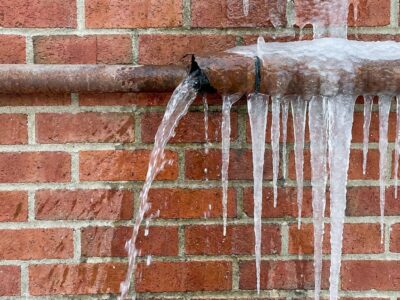
Why Austin Homeowners Need to Understand Frozen Pipe Risks
Plumbing outfitters frozen pipe repair austin tx services become essential when unexpected cold snaps hit Central Texas. While Austin doesn’t experience harsh winters like northern states, sudden temperature drops can catch homeowners off guard, leaving pipes vulnerable to freezing and bursting. When water freezes inside your pipes, it expands and creates immense pressure—sometimes over 2,000 pounds per square inch—that can crack pipes and cause flooding and significant water damage. Texas homes weren’t built for deep freezes, which makes understanding how to identify, prevent, and respond to frozen pipes crucial for protecting your home and your wallet.
Quick Answer: What to Do About Frozen Pipes in Austin
- Immediate signs: No water flow, frost on pipes, gurgling sounds, reduced pressure
- First steps: Keep faucets open, locate your water shutoff valve, open cabinet doors
- Safe thawing: Use a hairdryer, heating pad, or warm towels—never open flames
- Prevention: Insulate exposed pipes, drip faucets during freezes, disconnect garden hoses
- Call a pro: When pipes are inaccessible, DIY methods fail, or you see signs of a burst
For comprehensive plumbing services in Austin, Plumbing Outfitters offers 24/7 emergency response and preventive maintenance to keep your home protected. Schedule an inspection today to winterize your plumbing before the next cold front arrives.
Recent winters in 2021, 2022, and 2023 have shown that Texas is no longer immune to severe freezes. When temperatures drop below 20°F, pipes in unheated spaces like crawl spaces, attics, and along exterior walls are at the highest risk. The damage from a single burst pipe can be extensive. Understanding what causes pipes to freeze, how to spot the warning signs early, and when to call for professional help can save you from a plumbing disaster.
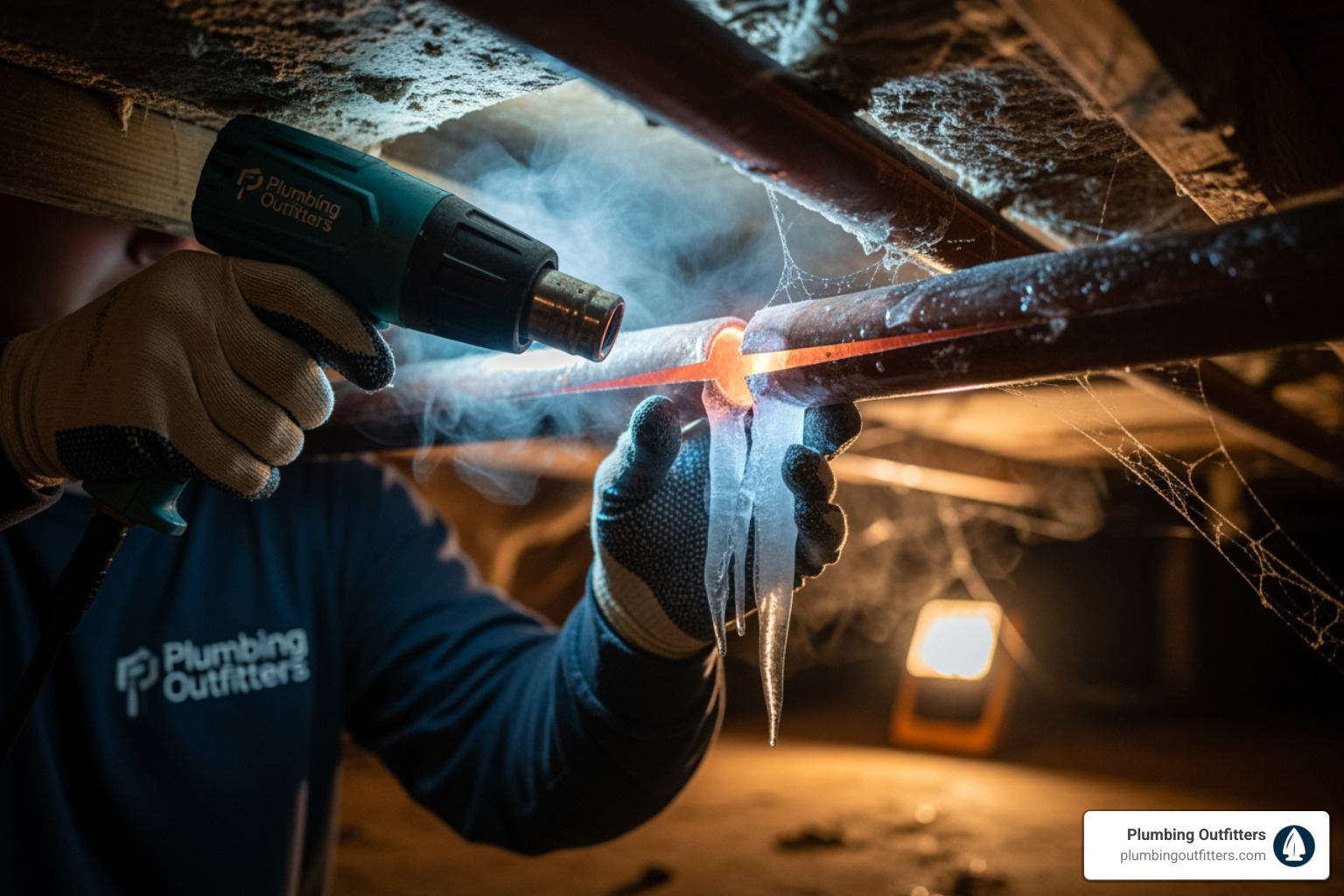
Quick plumbing outfitters frozen pipe repair austin tx terms:
Why Texas Pipes Freeze and the Dangers Involved
It might seem counterintuitive to worry about frozen pipes in a place known for its scorching summers, but recent history has taught us that even in Austin, Bastrop, Georgetown, and other areas we serve, winter can deliver a surprising punch. The main causes of frozen pipes in our region often boil down to a combination of factors unique to our climate and home construction:
- Uninsulated Pipes: Many homes in Central Texas were not built with the extensive pipe insulation common in colder climates. This leaves pipes vulnerable, especially those running through unheated spaces like crawl spaces, attics, garages, and along exterior walls.
- Unheated Spaces: Pipes in areas that don’t receive consistent heat from your home’s HVAC system are at a much higher risk. Even a garage or an attic that feels “not too cold” can quickly drop below freezing when outdoor temperatures plummet.
- Exterior Walls: Plumbing that runs through or along exterior walls is directly exposed to the cold. Without proper insulation or air sealing, these pipes can quickly reach freezing temperatures.
- Sudden Temperature Drops: Texas weather can be famously unpredictable. A warm, sunny day can be followed by an overnight freeze, leaving little time for homeowners to prepare their plumbing systems. This rapid change is often what catches us off guard.
The science behind frozen pipes is simple but destructive: water expands when it freezes. This expansion creates immense pressure within your pipes. A single pipe burst can cause a building to lose 4 to 8 gallons of water per minute. Imagine that gushing into your home! The risks associated with frozen and burst pipes are substantial and can include:
- Flooding and Extensive Water Damage: This is the most immediate and visible consequence. Water can quickly spread, damaging floors, walls, ceilings, furniture, and personal belongings, underscoring the severity of this issue.
- Structural Damage: Prolonged exposure to water can compromise the structural integrity of your home, leading to weakened foundations, warped wood, and damaged drywall.
- Mold Growth: Within 24-48 hours of water damage, mold can begin to grow, posing health risks and requiring extensive remediation.
- Loss of Water Supply: Even if a pipe doesn’t burst, a frozen blockage will prevent water from flowing to your faucets and fixtures, disrupting daily life.
We understand these dangers and are committed to helping our neighbors in Austin, Pflugerville, Round Rock, and surrounding communities protect their homes from the silent threat of frozen pipes.
First Signs of Trouble: How to Identify a Frozen Pipe
The first step to mitigating damage from a frozen pipe is recognizing the warning signs quickly. It’s a chilly Texas morning, and you turn on the tap, expecting the familiar flow of water, only to be met with a mere trickle or nothing at all. The dread starts to creep in – could you be dealing with frozen pipes?
Here are the key indicators that your pipes might be frozen:
- No Water Flow or Reduced Water Pressure: This is often the most obvious sign. If you turn on a faucet and only a drip comes out, or no water at all, it’s a strong indication that the water in the pipe leading to that faucet is frozen. If this happens at multiple faucets, a larger section of your plumbing system may be affected.
- Gurgling Sounds: When you turn on a faucet and hear gurgling or whistling sounds but little to no water, it can mean that there’s an ice blockage allowing only a small amount of air or water to pass.
- Visible Frost on Pipes: If you have exposed pipes in your basement, crawl space, or utility room, check them for any visible frost, ice, or bulging. This is a clear sign that the water inside has frozen.
- Strange Odors from Drains: While less common, a persistent strange odor emanating from your drains can sometimes indicate a frozen drain line, preventing proper ventilation and wastewater flow.
- Bulging Walls or Ceilings: This is a more severe and alarming sign, suggesting that a pipe within a wall or ceiling has frozen and potentially burst, leading to water leakage and damage. If you see this, act immediately!
If you notice any of these signs, don’t panic. Early detection and swift action can significantly reduce the potential for serious damage.
Immediate Actions & Safe Thawing Techniques
When you suspect a frozen pipe, acting quickly and safely is paramount. Our team at Plumbing Outfitters wants to empower you with the knowledge to handle these situations effectively.
What to Do Immediately If You Suspect a Freeze
- Keep the Faucet Open: Even if only a trickle is coming out, leave the faucet open. As you thaw the pipe, this allows water to start flowing and relieves pressure in the system, which can help prevent a burst.
- Locate Your Main Water Shutoff Valve: Knowing where this valve is and how to turn it off is crucial. If a pipe bursts, shutting off the main water supply immediately can prevent catastrophic flooding. We recommend that every homeowner in Austin, Hutto, Leander, and our other service areas knows this location. Locate and flag shutoff valve in your home to be prepared.
- Turn Off Water if a Burst is Suspected: If you see or hear signs of a burst pipe (e.g., water leaking from a wall, a sudden drop in water pressure throughout the house, or a loud popping sound), immediately turn off your main water supply.
- Open Cabinet Doors: For pipes located under sinks, open the cabinet doors to allow warmer air from the room to circulate around the pipes. This simple step can sometimes be enough to prevent freezing or aid in thawing.
Safe DIY Methods for Thawing Pipes
Once you’ve taken the immediate steps, you can attempt to thaw accessible frozen pipes yourself using gentle, indirect heat. Always prioritize safety!
Here are some safe and effective DIY methods:
- Hairdryer: Set a hairdryer to a low or medium setting and move it back and forth along the frozen section of the pipe. This provides gentle, controlled heat. Start applying heat closer to the faucet and work your way towards the blockage.
- Electric Heating Pad: Wrap an electric heating pad around the frozen pipe. This provides consistent, low-level heat to gradually thaw the ice.
- Warm Towels: Soak towels in hot water, wring them out, and wrap them around the frozen pipe. Replace the towels frequently as they cool.
- Applying Gentle Heat: For pipes in enclosed spaces (like under a sink), you can place a space heater in the room, ensuring it’s at a safe distance from any flammable materials and not left unattended.
Unsafe Thawing Methods to Avoid:
Never use open flames or high-heat sources to thaw pipes. This includes:
- Propane Torches: Extremely dangerous, they can damage pipes, cause fires, or even lead to explosions if gas lines are nearby.
- Kerosene or Propane Heaters: These can produce carbon monoxide and pose a fire hazard if not properly ventilated and monitored.
- Boiling Water: While seemingly harmless, rapidly pouring boiling water over a frozen pipe can cause sudden temperature changes that might crack or burst already stressed pipes.
If the frozen pipe is inaccessible (e.g., inside a wall or ceiling), if your DIY efforts are unsuccessful, or if you suspect a pipe has burst, it’s time to call in the professionals.
Proactive Prevention: How to Protect Your Plumbing from Freezes
The best defense against frozen pipes is a strong offense. Taking proactive steps before a cold snap hits can save you a world of trouble. We’ve seen the impact of the winter freeze events in Texas, and we want our customers in Cedar Park, Liberty Hill, Taylor, and beyond to be prepared.
Here’s how you can protect your plumbing:
- Pipe Insulation: This is your first line of defense. Wrap any exposed pipes—especially those in unheated areas like attics, crawl spaces, garages, or along exterior walls—with foam insulation sleeves, heat tape, or heat cables. Insulation works by trapping heat around the pipes, making it harder for the water inside to freeze.
- Sealing Drafts: Inspect your home for any cracks or openings in walls, floors, or ceilings, particularly around pipes. Seal these gaps with caulk or expanding foam to prevent cold air from reaching your plumbing. Don’t forget gaps around dryer vents and outdoor spigots.
- Maintaining Indoor Temperature: During freezing weather, keep your thermostat set to at least 65°F, even if you’re away from home for a short period. This ensures that warm air circulates throughout your house, helping to protect pipes within interior walls. Open cabinet doors under sinks to allow this warm air to reach pipes in those areas.
The Importance of Dripping Faucets
It might seem wasteful, but allowing your faucets to drip during cold snaps is a highly effective preventive measure.
- Relieving Pressure: A slow drip keeps water moving through your pipes, which makes it much harder for ice to form a solid blockage. More importantly, it relieves the pressure that builds up between a frozen blockage and the faucet. This pressure is what causes pipes to burst.
- Keeping Water Moving: Even a small flow of water can prevent freezing, especially in pipes that are close to exterior walls or in unheated areas.
- Faucets on Exterior Walls: Prioritize dripping faucets that are located on exterior walls or in parts of your home that tend to get colder. A steady, slow drip (one drip per second) is usually sufficient.
How to Winterize Outdoor Faucets and Hoses
Outdoor plumbing is particularly vulnerable to freezing. Proper winterization is essential to prevent damage.
- Disconnecting Garden Hoses: Before temperatures drop, disconnect all garden hoses from outdoor faucets. Water trapped in a hose can freeze and expand back into the spigot, causing the faucet or pipe to burst.
- Draining Spigots: After disconnecting hoses, ensure that any water remaining in the outdoor spigot is drained. Some outdoor faucets are “frost-free” and designed to drain automatically, but it’s always good to double-check.
- Installing Insulated Faucet Covers: Purchase insulated covers for your outdoor hose bibs. These covers provide an extra layer of protection against the cold. Secure them tightly over the spigot.
- Hose Bibs: Ensure any exposed hose bibs are either drained or protected with insulation.
For more detailed guidance on ways to protect your home during freezing temperatures., we encourage you to consult local resources or reach out to us.
When to Call for Professional Plumbing Outfitters Frozen Pipe Repair Austin TX
While DIY prevention and thawing methods can be effective for minor issues, there are times when professional intervention is not just recommended, but necessary. Our plumbing outfitters frozen pipe repair austin tx team is always ready to assist our community members in Austin, Elgin, Manor, and beyond.
You should call us if:
- Inaccessible Pipes: The frozen pipe is located inside a wall, ceiling, or under a floor, making it impossible or dangerous to access yourself.
- Unknown Frozen Location: You can’t pinpoint where the pipe is frozen, or you suspect multiple areas are affected.
- DIY Methods Fail: You’ve tried safe thawing methods for an extended period, and there’s still no water flow.
- Signs of a Burst Pipe: You notice any water leaks, water stains, bulging drywall, or hear dripping sounds after thawing attempts. Even a small crack can lead to significant damage once the ice melts.
- Recurring Freezing Issues: If certain pipes repeatedly freeze despite your preventive efforts, it indicates a more fundamental problem with insulation or pipe placement that requires expert assessment.
Signs You Need Plumbing Outfitters Frozen Pipe Repair Austin TX Immediately
Some situations demand immediate professional attention to prevent further damage or address existing crises. If you observe any of the following, do not hesitate to contact our plumbing outfitters frozen pipe repair austin tx team right away:
- Water Damage: You see active water leaking, wet spots on walls or ceilings, or pooling water anywhere in your home. This is a clear indication of a burst pipe.
- Significant Leaks After Thawing: Even if you managed to thaw a pipe, if you notice any leaks—no matter how small—it means the pipe was compromised by the ice expansion.
- Multiple Frozen Pipes: If several faucets throughout your home are not working, it suggests a more widespread freezing issue that likely requires professional equipment and expertise to resolve safely.
- No Water in the Entire House: This could indicate a frozen main water line or a severe blockage affecting your entire plumbing system, which is definitely a job for experienced plumbers.
The Professional Repair and Restoration Process
When you call Plumbing Outfitters for frozen pipe issues, you can expect a comprehensive and professional approach:
- Advanced Diagnostics: Our licensed plumbers use advanced diagnostic tools, including thermal imaging cameras, to accurately locate frozen sections, especially those hidden within walls or ceilings, and assess the extent of the freeze without unnecessary demolition.
- Leak Detection: If a burst is suspected, we employ precise leak detection techniques to find the exact source of the problem, minimizing invasive repairs.
- Safe Thawing Equipment: We use specialized, heat-safe thawing equipment designed to gently and effectively melt ice blockages without damaging your pipes. We would never use open flames, ensuring the safety of your home and family.
- Pipe Repair and Replacement: If a pipe has burst or been damaged, we perform expert pipe repair or replacement using durable, code-compliant materials. Homes older than 50 years likely have pipes nearing the end of their lifespan, and we can assess if repiping is a better long-term solution.
- System Inspection: After thawing and repair, we conduct a thorough inspection of your entire plumbing system to identify any other vulnerable areas and recommend preventative measures to avoid future freezing incidents.
- Code-Compliant Work: All our work adheres to local plumbing codes, ensuring that your repairs are not only effective but also safe and lasting. Our goal is to provide you with “Texas Class Service” and a trustworthy experience.
Frequently Asked Questions about Frozen Pipes in Austin
We often hear similar questions from homeowners in Austin, Round Rock, Georgetown, and our other service areas when cold weather approaches. Here are some of the most common ones:
How long does it take for pipes to freeze?
The time it takes for pipes to freeze can vary significantly depending on several factors, including:
- Ambient Temperature: When temperatures drop below 20°F, pipes are at significant risk.
- Pipe Insulation Level: Well-insulated pipes can take longer to freeze, potentially around 6 hours in extreme cold. Poorly insulated pipes, however, can freeze in as little as 3 hours.
- Exposure to Wind: Pipes exposed to wind chill can freeze much faster than those in still air.
- Water Flow: Pipes with stagnant water will freeze more quickly than those with even a slow drip.
It’s crucial to take preventive action as soon as temperatures are forecast to drop below freezing, especially if they are expected to stay there for an extended period.
Should I turn off my water heater if my pipes are frozen?
Generally, you do not need to turn off your water heater if your pipes are frozen, unless the water heater itself is directly affected or you suspect a burst pipe nearby.
- Tankless Water Heaters: Many tankless water heaters have a freeze protection function that requires electricity to operate. If your power goes out during a freeze, and if possible, connect your water heater to an alternate electricity source to keep this function operating. If you anticipate a prolonged power outage and cannot maintain power to the unit, it might be advisable to drain the water heater to prevent freezing within the unit itself.
- Safety Valves: Water heaters are equipped with safety valves that prevent dangerous pressure buildup.
- If a Pipe Bursts: If you have a burst pipe elsewhere in your home, you should turn off the main water supply to your house, which will also stop water from flowing to your water heater. If you then need to drain your water heater for any reason, turn off its power supply (gas or electric) first.
If you have concerns about your water heater during a freeze, our licensed plumbers can provide expert advice.
Can PEX pipes freeze and burst?
Yes, PEX (cross-linked polyethylene) pipes can freeze, but they are significantly more resistant to bursting than traditional copper or rigid plastic pipes.
- Flexibility: PEX pipes are much more flexible and elastic than copper. This allows them to expand slightly when water inside them freezes, absorbing some of the pressure that would cause a rigid pipe to burst.
- Reduced Risk of Bursting: While the risk of bursting is greatly reduced, it’s not eliminated. Extreme or prolonged freezing can still cause PEX pipes to fail, especially at fittings or connections.
- Can Still Freeze: Even if they don’t burst, frozen PEX pipes will still create an ice blockage, preventing water flow.
- Blockages: Just like any pipe material, once the water inside PEX freezes, it will create a blockage that stops water from flowing through your plumbing system.
While PEX offers an advantage in terms of burst resistance, it’s still crucial to take all the same preventive measures—insulation, dripping faucets, and maintaining indoor temperatures—to avoid freezing altogether.
Your Trusted Partner for Austin Plumbing Emergencies
Winter preparedness is no longer an optional chore in Central Texas; it’s an essential part of homeownership. The unpredictable nature of our winters means that understanding and acting on frozen pipe prevention and repair is critical for every homeowner in Austin, Bastrop, Hutto, and all the communities we proudly serve.
At Plumbing Outfitters, we pride ourselves on delivering “Texas Class Service”—a commitment to transparency, a trustworthy and neighborly experience, and solutions delivered by experienced, licensed plumbers. We understand the unique challenges our local climate presents, and our team is equipped with the knowledge and tools to handle any frozen pipe emergency or to help you implement preventive measures.
Don’t let a cold snap turn into a major disaster. Whether you need immediate plumbing outfitters frozen pipe repair austin tx services, or you’re looking to proactively prepare your plumbing system for the next cold front, we are here to help. We believe in building lasting relationships with our customers, ensuring your home’s plumbing is reliable and resilient year-round.
Follow us on Facebook and Instagram for tips, updates, and community engagement.
For expert plumbing advice and service, contact us today! We are your neighbors, and we’re ready to serve you with the highest standard of plumbing care.