

Don’t Let a Texas Freeze Turn into a Plumbing Disaster
When you need a frozen pipe plumber austin tx, you’re likely dealing with one of these urgent signs: no water from your faucets, visible frost or bulging on exposed pipes, strange sounds or smells from your plumbing, water stains on walls or ceilings, or pipes hidden inside walls that you can’t safely access. Any of these signals means it’s time to act fast—frozen pipes can burst and cause thousands of dollars in water damage within hours.
Quick Action Checklist:
- No water flow → Ice blockage likely present
- Frost on pipes → Freezing has already started
- Bulging pipes → Extreme pressure building up
- Water stains or odors → Possible leak or burst
- Inaccessible pipes → Professional help needed
Austin winters aren’t predictable. One day it’s 70 degrees, the next it’s 20. When temperatures drop below freezing, water inside your pipes expands and can exert over 2,000 pounds per square inch of pressure—enough to rupture even the strongest pipes. Texas homes aren’t built like northern homes. Our water lines often run closer to the surface or along exterior walls, making them especially vulnerable during sudden cold snaps.
If you’re seeing any warning signs, don’t wait. A small freeze can turn into a major flood faster than you think. Learn more about protecting your plumbing system year-round, or contact Plumbing Outfitters for immediate help with frozen pipes.
Frozen pipe plumber austin tx terms to learn:
Sign #1: Your Faucets Produce a Trickle of Water—Or Nothing at All
Imagine waking up on a frigid Austin morning, turning on the kitchen faucet for your coffee, and only hearing a sad sputter or, worse, nothing at all. This is often the first, most obvious sign that you have a frozen pipe. When water inside your pipes freezes, it forms an ice plug that blocks the flow. Even a small trickle indicates that some water is getting through, but it’s a clear warning that an ice blockage is present and pressure is building.
This reduced water flow or complete lack of water is a critical indicator. It means that somewhere between your main water supply and that particular faucet, an ice blockage has formed. It’s important to check multiple faucets throughout your home. If only one or two faucets are affected, especially those on exterior walls or in unheated areas, it helps us narrow down the location of the frozen section. The moment you notice this, it’s time to consider calling a professional frozen pipe plumber austin tx to prevent further damage.
What a Lack of Water Means During a Freeze
A frozen water line creates an ice plug that can completely halt water flow. The trickle you might see from a faucet isn’t just an inconvenience; it’s a crucial pressure relief mechanism. As water freezes, it expands, exerting immense force on the pipe walls. If there’s no outlet for this pressure, such as a slow drip from a faucet, the pipe is far more likely to burst. This initial sign, the lack of water, is your first and most urgent call to action. We understand that Texas winters can bring unexpected cold snaps that may lead to frozen pipes and plumbing issues. This is why we encourage every homeowner in our service areas like Austin, Cedar Park, Round Rock, and Pflugerville to be vigilant. Should you really be concerned about frozen pipes during Texas winters? Absolutely.
Sign #2: You See Frost, Ice, or Bulging on Exposed Pipes
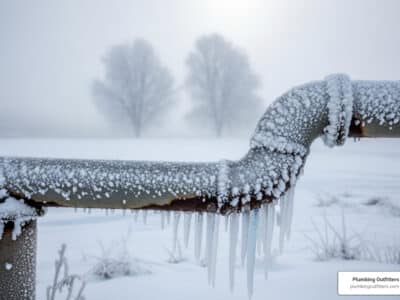
Sometimes, the problem isn’t hidden. If you have exposed pipes in your attic, crawl space, basement, or even under a sink near an exterior wall, you might visually confirm a frozen pipe. Look for visible frost on the outside of the pipe, or even a layer of ice. This is condensation freezing on the pipe’s exterior, a tell-tale sign that the water inside has turned to ice.
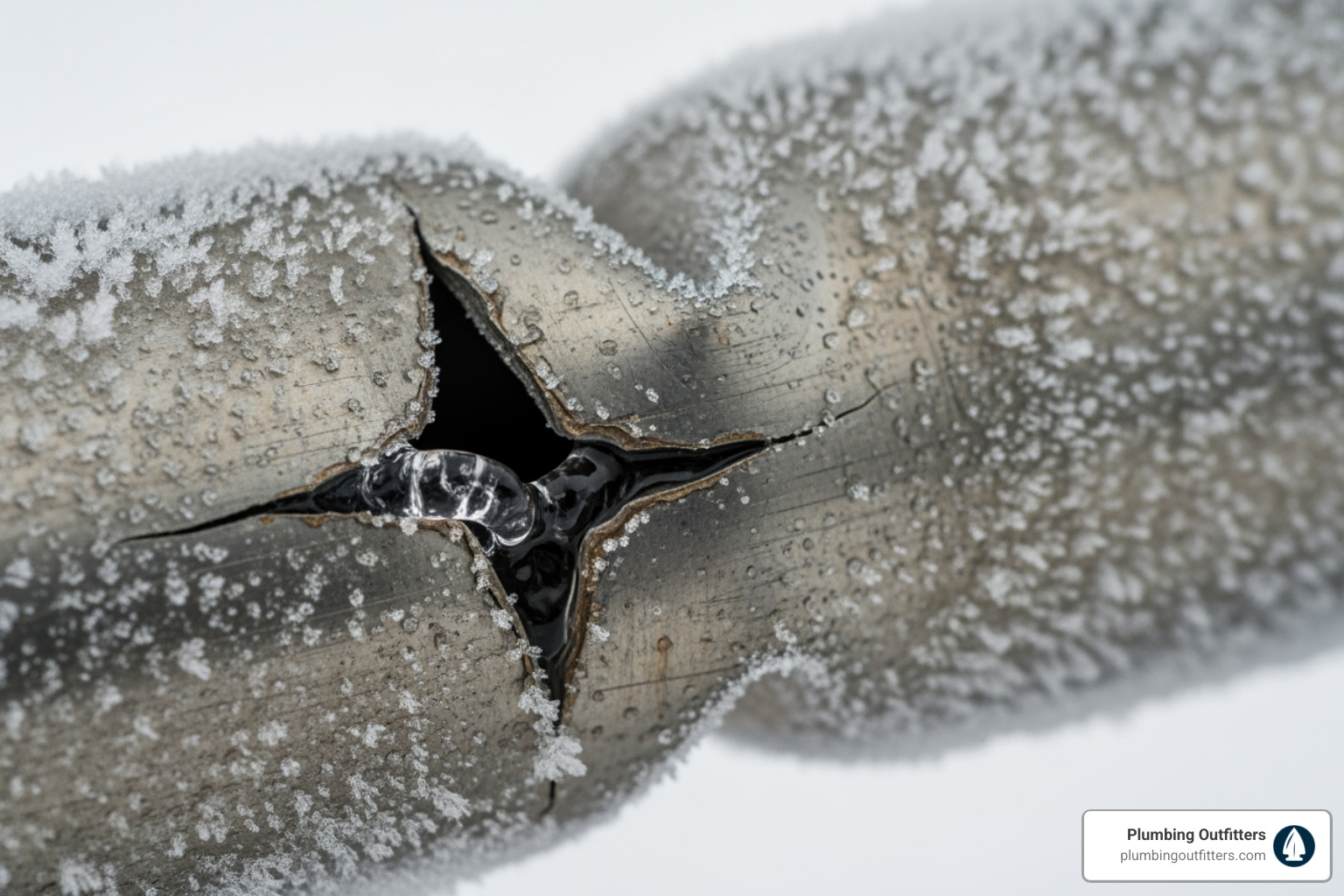
Even more alarming is a visibly bulging section of pipe. This bulge indicates that the water inside has frozen and expanded, pushing the pipe material outwards. This is a clear sign of extreme pressure building up, and it means the pipe is very close to rupturing. When water freezes, it expands by about 9%, and this seemingly small change can exert over 2,000 pounds per square inch of pressure on the pipe, regardless of whether it’s copper, PEX, or PVC. This silent pressure is what leads to catastrophic bursts and extensive water damage.
Where to Look for Vulnerable Pipes
Not all pipes are created equal when it comes to freezing risks. In Austin and surrounding areas like Georgetown, Hutto, and Leander, certain locations in your home are far more susceptible to freezing due to their exposure to colder temperatures. We’ve seen it all, and these are the usual suspects:
- Unheated Areas: Basements, attics, and crawl spaces often lack the consistent warmth of your main living areas, making pipes here prime candidates for freezing.
- Exterior Walls: Pipes running along or inside exterior walls are directly exposed to the cold, especially if insulation is insufficient.
- Outdoor Spigots/Hose Bibs: These are designed for outdoor use but are incredibly vulnerable if not properly winterized.
- Garage Plumbing: If your garage is unheated, any water lines running through it, such as for a washing machine or utility sink, are at high risk.
- Under Sinks: Especially those on exterior walls, as the cabinet space can be colder than the rest of the room. Opening cabinet doors can help warm air circulate.
Regularly inspecting these areas during cold snaps can save you a lot of headache and expense. Even if you don’t see frost, feeling the pipes for unusually cold spots can help identify a problem before it becomes a disaster.
Sign #3 & #4: Strange Sounds, Smells, or Signs of a Leak
While a complete lack of water or visible ice are obvious red flags, sometimes the signs of a frozen or burst pipe are more subtle, yet equally serious. Strange sounds, unusual smells, or unexplained dampness can all point to a problem that requires immediate attention from a frozen pipe plumber austin tx.
Have you heard a sudden gurgling, banging, or hissing sound coming from your walls or floors? These noises could indicate water struggling to pass through an ice blockage, or worse, water escaping from a newly formed crack in a pipe. A hissing sound, in particular, often signals a small leak under pressure.
Similarly, don’t ignore any musty odors or unexplained dampness. If you notice damp drywall, water stains on your walls or ceilings, or even bulging spots on these surfaces, it’s a critical sign. These often indicate water damage from a slow leak or a burst pipe that’s not immediately visible. Mold can begin to develop within 24 to 48 hours after water damage, so addressing these issues quickly is paramount for your home’s health and structural integrity.
Sign #4: Water Damage Signals a Need for a Frozen Pipe Plumber in Austin TX
The most devastating sign of a frozen pipe problem is, unfortunately, often the burst itself, leading to immediate water damage. A single pipe burst can cause a building to lose 4-8 gallons of water a minute, leading to significant and costly repairs. The expense of drying, cleaning, and restoring affected areas can be substantial, turning a small plumbing issue into a major financial headache.
If you find actual water damage—whether it’s a flooded room, a soaked carpet, or water dripping from your ceiling—it means a pipe has likely burst. The immediate aftermath of a burst pipe is critical. Your first step should be to shut off your main water supply valve to stop the flow and minimize damage. Then, contact a professional frozen pipe plumber austin tx immediately. We’re here to help homeowners in Austin, West Lake Hills, and all our service areas steer these stressful situations. Find a reliable Austin plumber to protect your home and prevent a small leak from becoming a major flood.
Sign #5: The Pipe is Hidden or You Can’t Thaw It Safely
Sometimes, the frozen pipe isn’t conveniently located under a sink or in an easily accessible crawl space. It might be hidden inside a wall, under the floor, or in a ceiling, making it inaccessible for DIY thawing. In these situations, attempting to locate and thaw the pipe yourself can be risky and even dangerous. Cutting into walls or floors without knowing the exact location of the pipe can cause more damage.
Furthermore, attempting to thaw a pipe with unsafe methods, such as using an open flame like a blowtorch, is extremely hazardous. This can not only damage the pipe itself but also poses a severe fire risk to your home. Even high-heat sources can cause the pipe to burst or melt, leading to even greater problems. If you’re unsure of the pipe’s location, or if it’s in a difficult-to-reach spot, it’s always best to call a professional. Our experienced plumbers have the right tools and expertise to safely locate and thaw hidden pipes without causing additional harm.
When to Call a Frozen Pipe Plumber in Austin TX for Inaccessible Pipes
When a pipe is hidden or you cannot safely thaw it yourself, that’s precisely when you need to call a professional frozen pipe plumber austin tx. Our team uses safe and effective methods to thaw pipes, such as electric heating pads, hair dryers, or portable space heaters, always applied gradually to prevent further damage. For pipes inside walls, we might use specialized equipment to pinpoint the frozen section and apply targeted heat.
The goal is always to thaw the pipe slowly and gently, starting from the faucet side and working our way back towards the frozen section. This allows any melted water to escape, relieving pressure as the ice plug thaws. We pride ourselves on “Texas Class Service,” offering upfront pricing and a trustworthy, neighborly experience. If you’re in Austin, Bastrop, or any of our service locations and facing a complex frozen pipe situation, don’t hesitate to reach out. We’re equipped to handle even the trickiest frozen pipe issues, ensuring your home’s safety and preventing costly water damage.
Proactive Steps to Prevent Frozen Pipes in Your Austin Home
As we’ve seen, frozen pipes can lead to significant headaches and expenses. The good news is that many of these issues are preventable with a few proactive steps. Preparing your plumbing for Austin’s unpredictable cold snaps is key to avoiding the stress and cost of a burst pipe. We encourage all homeowners in our service areas to take these preventative measures seriously.
One of the most effective strategies is to improve insulation. Pipes in unheated areas like attics, basements, and crawl spaces should be wrapped with foam pipe insulation or heat tape. This creates a barrier against the cold. You should also seal any drafts or cracks in your home’s foundation, walls, or around windows and doors that allow cold air to reach pipes. Even small gaps can expose pipes to freezing temperatures. When it comes to outdoor plumbing, preparation is crucial. Disconnect all garden hoses from outdoor spigots, drain them, and store them indoors. Then, install insulating hose bib covers on your outdoor spigots to protect them from the cold.
A little preparation goes a long way. How to protect your plumbing in a freeze is a question we get often, and these steps are a great start.
Simple Actions with a Big Impact
Beyond insulation, there are several simple actions you can take when a cold snap is imminent:
- Dripping Faucets: During extreme cold, let both hot and cold water faucets drip slowly (a “walking tempo” drip) overnight. This keeps water moving, which makes it much harder for ice to form. Moving water is a lot less likely to freeze than stagnant water.
- Opening Cabinet Doors: For sinks located on exterior walls, open the cabinet doors underneath. This allows warmer air from your home to circulate around the pipes, preventing them from freezing.
- Consistent Home Temperature: Maintain a consistent temperature in your home, even when you’re away. Keeping your thermostat set to at least 55 degrees Fahrenheit (and ideally 65 degrees or higher during a freeze) helps ensure that pipes within your home stay warm enough to prevent freezing.
- Disconnecting Hoses: We mentioned it, but it bears repeating: Leaving garden hoses attached can trap water in the spigot, leading to freezing and potential damage to both the hose and the pipe it’s connected to.
- Hose Bib Covers: These inexpensive covers provide an extra layer of insulation for outdoor spigots. If you don’t have one, you can temporarily cover the spigot with a thick cloth or blanket and secure it with tape.
- Prepare Outdoor Water Heaters: If you have an outdoor water heater, ensure it has electricity for its freeze protection function. If power goes out, and it’s safe to do so, connect it to an alternate power source.
Taking these steps can significantly reduce your risk of needing a frozen pipe plumber austin tx during the winter months.
Frequently Asked Questions about Frozen Pipes in Austin
We understand that frozen pipes can be a confusing and stressful issue, especially in a climate like Austin’s, where deep freezes are less common but can be very severe when they do occur. Here are some of the most common questions we receive from homeowners in our service areas like Austin, Round Rock, and Cedar Park.
What are the main causes of frozen pipes in Austin, TX?
The primary cause of frozen pipes is exposure to freezing temperatures, particularly when the temperature drops below 20 degrees Fahrenheit. However, several factors make homes in Austin, and across Texas, uniquely vulnerable:
- Texas Construction: Unlike homes in colder climates, many Texas homes are not built with extensive pipe insulation or deep underground water lines. Our water lines often run closer to the surface or along exterior walls, leaving them more exposed.
- Infrequent Freezes: Because severe freezes are less common, homeowners may be less prepared or aware of the risks.
- Lack of Insulation: Pipes located in unheated areas like attics, crawl spaces, garages, or even inside exterior walls often lack adequate insulation, making them highly susceptible.
- Rapid Temperature Drops: Austin’s weather can change drastically and quickly. A sudden, sharp drop in temperature can catch homeowners off guard, leading to pipes freezing before preventative measures are fully in place.
- Unheated Spaces: Any plumbing running through unheated spaces is at risk. This includes water sprinkler lines and outdoor pipes with no insulation.
Understanding these causes is the first step in effective prevention for your Austin home.
What are the immediate steps if I find a frozen pipe?
If you find a frozen pipe, acting quickly and calmly is crucial to minimize potential damage. Here’s what we recommend:
- Shut Off Main Water Valve: Your absolute first step should be to locate and turn off your home’s main water shutoff valve. This will prevent massive flooding if the pipe has already burst or bursts during the thawing process. We can help you locate and flag your shutoff valve if you don’t know where it is.
- Open Affected Faucet: Open the faucet that the frozen pipe supplies. This helps relieve pressure in the pipe and allows water to flow out as the ice melts, preventing further pressure buildup and potential bursting.
- Locate Frozen Section: Try to identify the frozen section of the pipe. Look for visible frost, ice, or areas that are unusually cold to the touch. This could be in an exposed area or behind a wall.
- Prepare for Thawing: Gather safe thawing tools (hair dryer, heating pad, warm towels).
- Avoid Open Flames: Never use a blowtorch or any other open flame to thaw a pipe. This is a severe fire hazard and can damage the pipe.
- Call for Help if Unsure: If you cannot locate the frozen area, it’s inaccessible, or you’re unsure how to proceed safely, call a professional frozen pipe plumber austin tx immediately.
What are the safest methods for thawing frozen pipes?
Safety is paramount when thawing frozen pipes. Our goal is to apply gradual heat to melt the ice without causing further damage or creating hazards.
Here are the safest and most effective methods:
- Hair Dryer: This is one of the most common and safest DIY methods. Set it to a low or medium heat setting and slowly move it back and forth along the frozen section of the pipe. Keep the faucet open to allow water to flow out as it thaws.
- Electric Heating Pad: Wrap an electric heating pad around the frozen pipe. This provides consistent, gentle heat.
- Warm Towels: Soak towels in hot water, wring them out, and wrap them around the frozen pipe. You’ll need to re-soak them frequently to maintain warmth.
- Portable Space Heater: You can use a portable space heater to warm the general area around an exposed frozen pipe. Ensure it’s placed at a safe distance and never left unattended, especially near flammable materials. For pipes inside walls, aiming small heaters at the wall where pipes are located can help, though it will take longer.
- Electric Heat Tape: This specialized tape can be wrapped around pipes and plugged in to provide continuous, gentle heat. It’s an excellent solution for preventing freezing in vulnerable areas.
- Start from the Faucet End: Always begin thawing the pipe from the faucet side, working your way back toward the main blockage. This ensures that melted water has an escape route, preventing pressure from building up behind the ice plug.
- Avoid Blowtorches: As mentioned, never use an open flame. This is incredibly dangerous and can easily lead to a house fire or a burst pipe due to rapid, uneven heating.
Continue applying heat until full water pressure is restored. Once the water is flowing again, thoroughly check the pipe and surrounding area for any leaks or signs of damage that might have occurred during the freeze. If you find any, or if you’re unable to thaw the pipe, it’s time to call a frozen pipe plumber austin tx.
Get Expert Help Before a Freeze Becomes a Flood
Recognizing the signs of frozen pipes and acting fast are your best defenses against catastrophic water damage. Whether it’s a mysterious trickle, visible frost, strange noises, or the undeniable evidence of water damage, these are clear signals that you need professional help. In Austin’s unique climate, where homes aren’t always built for prolonged freezes, proactive prevention and quick response are essential.
At Plumbing Outfitters, we understand the urgency and stress that frozen pipes can cause. Our experienced plumbers are ready to provide “Texas Class Service” to homeowners in Austin, Cedar Park, Round Rock, Georgetown, and all our service locations. We offer upfront pricing and a trustworthy, neighborly experience, ensuring your peace of mind. We’re not just here for emergencies; we’re also here to help you with preventative measures to keep your plumbing healthy year-round.
Don’t let a cold snap turn into a costly disaster. If you suspect you have frozen pipes, or if you’re looking to fortify your home against future freezes, contact us today. We’re proud to be recognized as the 2022 Best Plumbing Company in Austin, TX – Plumbing Outfitters and we’re committed to protecting your home. Whether it’s a frozen pipe emergency or a routine toilet repair in Austin, TX, our team is ready to provide expert service.